In recent years, drone incursions over U.S. military installations have evolved from isolated incidents into a persistent, strategically significant threat. The dramatic uptick in sightings of small unmanned aerial systems (sUAS) over military facilities is not merely a matter of nuisance or technological curiosity—it is a national security concern that exposes glaring vulnerabilities in America’s domestic defense architecture.
The North American Aerospace Defense Command (NORAD) and U.S. Northern Command (Northcom) have been sounding the alarm. According to Gen. Gregory Guillot, the current commander of both entities, over 350 drone detections were logged last year across approximately 100 military installations of varying security levels. The majority of these incursions are suspected of being reconnaissance operations aimed at surveilling sensitive military capabilities and infrastructure.
The Surveillance Threat: Persistent and Evolving
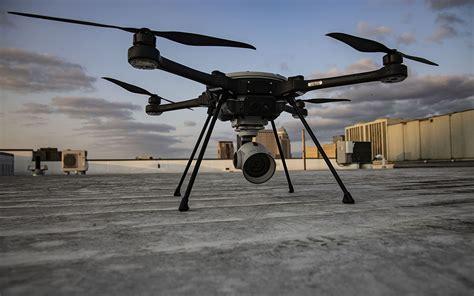
The nature of these incursions suggests a sophisticated adversarial interest in U.S. military readiness and infrastructure. Small drones, often commercially available, can carry advanced optics and sensors that allow them to collect imagery, detect communications signals, and map layouts of secured facilities—all while remaining nearly invisible to standard radar systems.
General Guillot highlighted that the majority of these drones are likely being used for covert surveillance. This includes observing troop movements, cataloging weapons systems, or even exploiting weaknesses in base perimeter defenses. Such actions represent not only a breach of privacy but also a prelude to more direct threats, including sabotage or coordinated attacks.
What’s particularly alarming is that these drones often hover just outside the physical perimeter of installations—operating legally under current U.S. statutes unless they actually breach the airspace directly above military land. This legal loophole, as Guillot pointed out, renders commanders unable to act until it may be too late.
The Legal Framework: A Patchwork of Authority
One of the core problems lies in the regulatory constraints surrounding the authority to respond to unmanned aerial incursions. Under current U.S. law, only about half of military installations are classified as “covered installations,” which means they have the legal authority under Section 130i of Title 10 of the U.S. Code to defend against drone threats. The rest remain alarmingly unprotected.
General Guillot has advocated strongly for expanding these authorities to encompass all installations, not just a select few. Moreover, he has urged that the area of jurisdiction be extended beyond the immediate perimeter of a base. Given that modern surveillance drones can utilize side-looking radar and slant-range optics to capture imagery from outside secured zones, the need for preemptive authority is both logical and urgent.
Senator Tom Cotton, echoing bipartisan frustration, criticized the current framework during a recent Senate Armed Services Committee hearing, calling it “crazy” that base commanders are not empowered to respond until after a threat becomes imminent. Alongside Senator Kirsten Gillibrand, he is pushing for legislation to rectify these legislative blind spots, aiming to grant commanders both the legal authority and technological capabilities to confront the threat head-on.
Southern Border Complications and Cross-Domain Threats
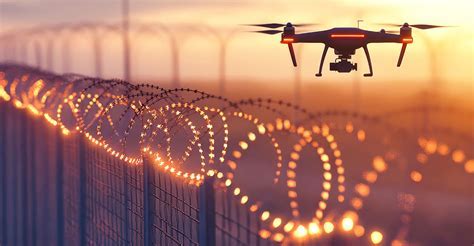
The problem isn’t isolated to military installations in secure states. Officials have flagged increased drone activity along the southern U.S. border, often linked to drug trafficking cartels and other criminal organizations. These groups utilize drones not only to scout patrol routes and smuggle contraband but also to potentially coordinate cross-border attacks or gather intelligence on U.S. border operations.
This cross-domain threat complicates interagency coordination, particularly between the Department of Defense and the Department of Homeland Security. Guillot has stated that expanded Section 130i authorities must also include provisions for real-time data sharing between defense and domestic law enforcement agencies to create a unified front against sUAS threats.
The Falcon Peak Initiative: Innovation in Defense
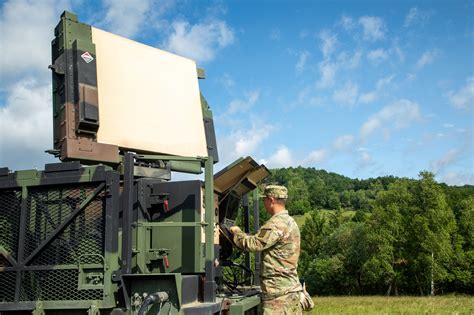
Recognizing the scale and complexity of the issue, NORAD and Northcom have launched a dedicated counter-drone operations branch at their headquarters. One of the most promising initiatives under this directive is the Falcon Peak technology demonstration, hosted in Colorado. Conducted with support from the U.S. Army’s 4th Infantry Division, 10th Special Forces Group (Airborne), the FAA, and the Colorado National Guard, Falcon Peak offers a dynamic platform to test, evaluate, and deploy anti-drone systems in live, realistic combat scenarios.
During the most recent iteration, participants successfully tracked and engaged drone targets over multiple days and nights, gaining invaluable insights into sensor performance, tracking accuracy, and defeat mechanisms. The next version of the exercise, Falcon Peak 25.2, is slated for this summer and promises to be even more expansive. Vendors will be showcasing technologies with a Technology Readiness Level (TRL) of 7 to 9—indicating near-deployable systems with proven efficacy.
These technologies aim to detect, track, and neutralize both standard and low-emission (“dark”) drones using Low Collateral Damage (LCD) effects. The event will focus on Group 1 and 2 drones, which are most commonly used in surveillance and reconnaissance missions against U.S. interests.
Technology Gaps and Industry Partnerships
While progress is underway, the reality remains that technology gaps persist. Many base commanders lack access to the tools necessary to detect and mitigate drone threats effectively. Guillot’s testimony underscores the need for not just new equipment, but also investment in rapidly evolving technologies, especially those suitable for use in domestic environments where public safety and privacy concerns must be balanced with defense priorities.
To this end, the Pentagon’s new directive assigns Northcom the role of synchronizer, integrator, and coordinator of all counter-small UAS activities within the continental United States and Alaska. The goal is to streamline procurement, improve interoperability between systems, and forge deeper industry partnerships that can accelerate innovation.
Implications for National Security Policy
The systemic vulnerabilities highlighted by this surge in drone incursions expose an urgent need for policy modernization. The current legal and technical frameworks are woefully outpaced by the reality of modern drone technology. Without swift action, adversaries—state-sponsored or otherwise—will continue exploiting these gaps.
The proposed legislative reforms, combined with multi-agency coordination and cutting-edge demonstrations like Falcon Peak, signal a shift toward a more proactive and technologically resilient defense posture. However, the challenge now lies in maintaining this momentum and ensuring that all installations, regardless of size or location, receive the full spectrum of protective measures.
Conclusion: A Turning Point for Homeland Defense
Drone incursions are no longer theoretical. They are happening daily, often under the radar of public attention but with potentially devastating implications. The U.S. military must confront this new front in homeland defense with clarity, urgency, and innovation.
This means tearing down outdated legal barriers, closing coordination gaps between agencies, and investing in technologies that can operate decisively within domestic borders. The rise of unmanned threats may have caught the system off guard, but with focused reforms and strategic foresight, the U.S. can transform this challenge into an opportunity to fortify the homeland like never before.