Outbound tourism from Britain is on the brink of a remarkable transformation, with the British Association of Travel Agents (ABTA) projecting a significant 20% growth by 2030. This surge represents an opportunity to bolster the UK’s economy and drive positive outcomes across various sectors, including local businesses, regional airports, and international exports. However, as promising as these numbers are, they come with an important caveat: without swift government action, the potential benefits may be left unrealized. The UK government must step in to create the right environment for growth, facilitating both policy support and financial incentives to ensure that the country’s tourism sector can reach its full potential. This article dives into the key insights surrounding outbound tourism from Britain and discusses what measures are necessary for the UK government to implement in order to foster this growth.
The Economic Impact of Outbound Tourism
Outbound tourism from Britain is already a major contributor to the national economy, generating an impressive £52 billion annually. The economic influence of this sector extends far beyond the surface, as it accounts for:
- £10 billion in Gross Value Added (GVA)
- £10 billion in tax revenues
These numbers are not just impressive figures on a balance sheet; they represent real-life jobs, businesses, and communities that rely on the tourism sector. Regional airports, for example, play a significant role in supporting local economies, with several airports depending on outbound travel to survive. Among these, East Midlands Airport stands out, with 90% of its passenger traffic originating from British tourists. Other major regional hubs, including Manchester, Birmingham, Bristol, and Exeter airports, are similarly reliant on outbound travelers. Without this crucial flow of passengers, these airports would face dire challenges, which could also reverberate across the entire tourism industry. The knock-on effects would be felt in the inbound tourism sector as well, placing businesses and communities that rely on this industry in jeopardy.
The Call for Government Action
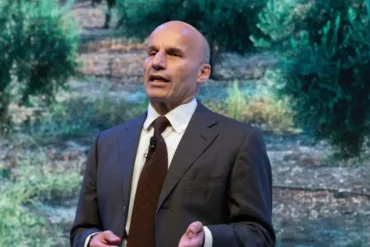
The ABTA report lays out a clear roadmap for the UK government’s role in nurturing the growth of outbound tourism. Although the government has already committed to fostering economic growth and revitalizing cities, ABTA urges that more attention be given to the outbound tourism sector specifically. The Chief Executive of ABTA, Mark Tanzer, emphasized that increased international mobility holds vast potential not just for the tourism industry, but also for other sectors like exports and business travel. However, for the tourism sector to reach its full potential, there are several steps the government must take:
- Establish a stable and supportive tax and regulatory environment that can fuel growth.
- Provide fiscal incentives to encourage more outbound travel.
One key area that requires urgent focus is the promotion of sustainable tourism. ABTA calls for government-backed initiatives that support the transition to zero-emission aviation, such as mandatory sustainable aviation fuel (SAF) and investments in green energy infrastructure. These steps would not only improve the sustainability of the sector but would also position the UK as a global leader in environmentally responsible travel.
Sustainability: The Core of Future Tourism
Sustainability has become a central theme in ABTA’s recommendations for the future of outbound tourism. The association acknowledges the positive steps already taken by the UK in the area of sustainable aviation, including policies like SAF and airspace modernization. However, ABTA stresses that there is still much more work to be done in this regard. In order for the UK to lead the world in sustainable tourism, the government must continue to invest in green infrastructure at airports and ports, as well as accelerate the transition to zero-emissions travel. This will require not only government support but also ongoing collaboration with the aviation industry to implement new technologies and practices that reduce the environmental impact of travel.
Policy Priorities for Tourism Growth
To ensure that the UK capitalizes on the promising growth prospects in outbound tourism, ABTA has identified three critical policy priorities that the government must address:
1. Promoting Sustainable Tourism
The UK government needs to create policies that encourage the accelerated use of sustainable aviation fuel (SAF) and other green technologies in the aviation industry. Additionally, it is crucial that infrastructure be developed to support these advancements. This might include building refueling stations for SAF at regional airports and offering incentives for airlines that invest in sustainable aircraft technologies.
2. Boosting the Competitiveness of UK Tourism Businesses
In addition to fostering sustainable tourism, the government should also review existing tax policies, particularly in relation to local tourism businesses. Tax burdens and council taxes that hinder the growth of small businesses must be addressed. Furthermore, investment in vocational training and education will help equip a future workforce with the skills necessary to thrive in a rapidly evolving tourism industry. Supporting local tourism entrepreneurs through incentives and grants is another vital aspect that could drive long-term sector growth.
3. Improving UK-EU Relations in Tourism
The post-Brexit landscape presents both challenges and opportunities for outbound tourism. ABTA advocates for a smooth travel experience between the UK and EU, which includes resolving issues related to the recognition of professional qualifications and improving border control systems. By simplifying travel for British tourists and businesses within the EU, the government can facilitate growth in the tourism and business sectors, making it easier for British travelers to access new destinations and markets.
The Urgency of Government Action
With ABTA celebrating its 75th anniversary, the association is more vocal than ever about the pressing need for the UK government to take action. Many plans have often been left on paper in the past, and ABTA is determined not to see this trend continue. To fully harness the potential of outbound tourism and ensure that the UK economy benefits from the projected 20% growth by 2030, the government must act decisively. Proactive policies, fiscal support, and green investments are crucial to unlocking the full benefits of outbound tourism.
Conclusion
The outbound tourism sector holds immense potential to drive economic growth in the UK, with a projected 20% increase by 2030. However, the success of this growth depends largely on the government’s ability to implement the right policies and support systems. By focusing on sustainable tourism, improving the competitiveness of local businesses, and enhancing UK-EU relations, the UK can set the stage for a thriving tourism industry that benefits businesses, communities, and travelers alike. It is time for the government to act swiftly to ensure that Britain capitalizes on this unique opportunity.