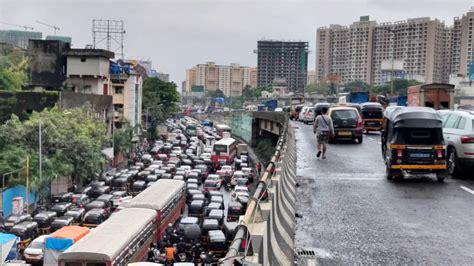
The Ahmedabad-Mumbai National Highway (NH-48) has faced a catastrophic situation as a massive traffic jam stretches over 15 kilometers, significantly impacting daily commuters and emergency services. This unprecedented congestion began on Thursday morning and has raised alarm bells, particularly regarding the delays faced by ambulances, which are essential for timely medical interventions. The circumstances surrounding this gridlock illustrate the fragility of the highway’s infrastructure and its ability to handle peak traffic volumes.
Understanding the Cause of the Gridlock on NH-48
The Ahmedabad-Mumbai highway is one of India’s busiest roadways, often marred by traffic snarls, especially during rush hours. However, the current scenario has escalated beyond typical congestion levels. The 15-km-long traffic jam was triggered by a heavy vehicle accident that occurred near a narrow stretch of the highway, exacerbating already congested conditions. One of the critical bottlenecks contributing to the traffic jam is the Jambua Bridge, notorious for its vulnerability to traffic buildup. Despite ongoing efforts to widen certain sections of the highway, the existing infrastructure remains inadequate to manage the overwhelming volume of vehicles during peak hours.
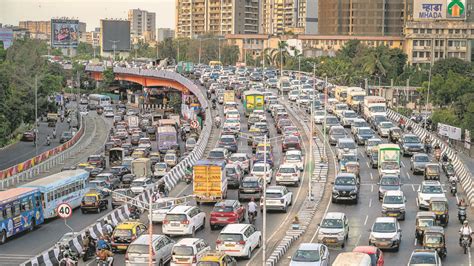
Local officials have pointed out that the combination of inadequate traffic management and poor maintenance practices has transformed minor incidents into major disruptions, severely affecting both everyday commuters and emergency services. The situation serves as a stark reminder of the challenges faced by road infrastructure in India, where rapid urbanization often outpaces development efforts.
Emergency Services in Crisis
The most pressing concern arising from this traffic chaos is the impact on emergency services. Multiple ambulances, carrying patients in critical condition, have found themselves ensnared in the gridlock. In situations where healthcare is a race against time, these delays pose considerable risks to the well-being of patients who rely on prompt medical attention. The National Disaster Management Authority (NDMA) issued an urgent statement addressing the crisis, emphasizing the need for prioritizing emergency vehicles in such scenarios. The NDMA has proposed establishing emergency lanes specifically designed to allow medical vehicles to bypass traffic during critical situations like this.
Moreover, the incident underscores the increasing necessity for improved coordination among local authorities, traffic management systems, and healthcare providers. Without well-defined protocols, ambulances struggle to navigate through congested roads, ultimately jeopardizing patient care.
Government Response to the Crisis
In response to the dire situation, local administration and traffic police have mobilized to alleviate the crisis. Efforts include clearing the accident site and redirecting traffic along alternative routes. Temporary checkpoints have been set up to manage the flow of vehicles and prevent further congestion. The Ministry of Road Transport and Highways (MoRTH) has also been alerted, with local officials engaging in discussions to explore potential long-term solutions. Proposals under consideration include:
- Widening critical sections of NH-48
- Constructing additional bypasses to alleviate traffic pressures, particularly around the Jambua Bridge
- Implementing advanced traffic management systems that utilize real-time monitoring technologies to provide commuters with timely updates
These technological interventions are deemed crucial for minimizing the impact of such disruptions in the future, ensuring smoother traffic flow and enhanced safety.
Public Concerns and Local Sentiment
The local community has voiced significant frustration over the recurring traffic issues plaguing NH-48. Many commuters have expressed their dissatisfaction, with one individual remarking, “This is not the first time we’ve been stuck in traffic for hours. We have witnessed similar jams before, but this one was on another level.” Social media platforms have seen a surge of complaints, with users tagging local authorities and demanding immediate action. Some even shared photos and videos depicting ambulances trapped in traffic, further emphasizing the urgent need for infrastructure improvements.
Residents have highlighted the government’s past promises regarding road safety measures and infrastructure upgrades, lamenting the lack of tangible progress in addressing the root causes of congestion. There is a growing call for a holistic approach to tackle the problem, focusing on both short-term traffic management and long-term infrastructure enhancements.
Immediate Measures Taken by Authorities
To provide immediate relief to stranded commuters, local authorities have initiated several measures. Traffic police have been deployed at key intersections to facilitate smoother movement and mitigate the risk of additional accidents. Concurrently, crews are working to clear the site of the accident, utilizing cranes and heavy machinery to remove wrecked vehicles. Emergency services have also been activated to ensure that patients in need of urgent medical attention are transported to nearby hospitals without undue delay. In some instances, ambulances have been escorted through the traffic by police vehicles, enabling them to bypass certain roadblocks.
While these immediate actions offer some respite, the underlying issue of inadequate infrastructure persists, necessitating a more comprehensive strategy to prevent similar occurrences in the future.
Long-Term Solutions to Prevent Future Traffic Jams
The recent incident has illuminated the critical need for thorough, long-term solutions to enhance the infrastructure of NH-48. Local authorities are under increasing pressure to implement effective measures aimed at preventing future traffic jams. Among the proposals being discussed are:
- Widening bottleneck sections, particularly near the Jambua Bridge, which has long been a trouble spot for congestion.
- Implementing advanced traffic management systems that can monitor congestion in real-time and reroute traffic away from heavily impacted areas.
- Enhancing public transport infrastructure, with advocates calling for improved bus services along key corridors of the highway to reduce reliance on personal vehicles.
By introducing robust public transport options, the overall traffic load could be significantly diminished, leading to fewer traffic jams and less strain on emergency services.
Conclusion: A Wake-Up Call for Road Safety and Infrastructure
The recent traffic deadlock on the Ahmedabad-Mumbai highway serves as a clarion call for both local and national authorities. This congestion has exposed the inadequacies in current infrastructure and the severe consequences that arise when these shortcomings impact emergency services. As efforts are underway to clear the current traffic, the incident stands as a poignant reminder of the urgent need for enhancing road safety and improving highway infrastructure across India. Moving forward, it is imperative for authorities to consider both immediate measures and long-term investments in infrastructure to ensure the safety and efficiency of vital roadways like NH-48.