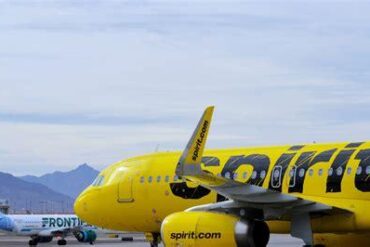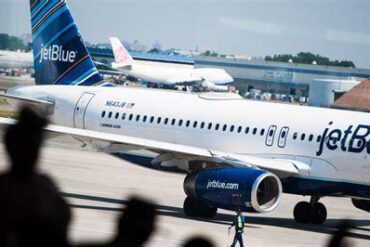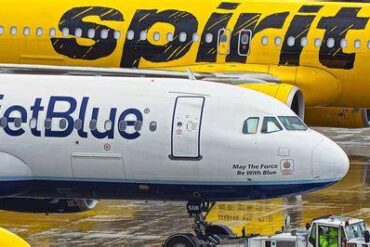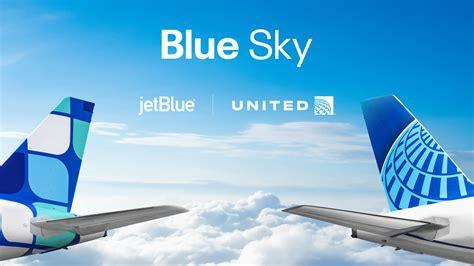
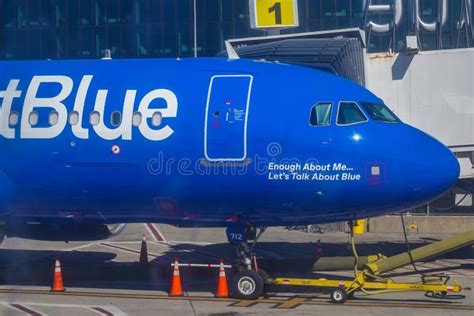
Spirit Airlines has intensified its opposition to the ‘Blue Sky’ alliance between United Airlines and JetBlue, asserting that the partnership poses a serious threat to the future of airline competition in the United States. In a pointed rebuttal to a joint response filed by United and JetBlue on July 3, Spirit is urging the Department of Transportation (DOT) to extend its review of the deal and to make the underlying agreements available for public scrutiny. According to Spirit, this alliance is not a harmless operational collaboration—it is an orchestrated maneuver to erode the position of low-cost carriers and cement the dominance of legacy airlines in high-value markets.
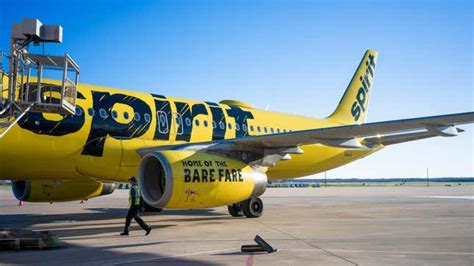
Spirit Sounds the Alarm: A Call for Regulatory Oversight
The alarm bells rang louder in June 2025, when Spirit Airlines formally petitioned the DOT to prolong the review of the Blue Sky alliance by 60 days. The airline emphasized that critical documents tied to the agreement must be released for external stakeholder analysis. This request wasn’t made lightly. Spirit sees the partnership—announced in late May—as a seismic shift in market dynamics that, if left unchecked, could severely restrict consumer choice and escalate fare prices.
Spirit’s July 9 response intensifies this critique. Labeling United and JetBlue’s July 3 statement as a distraction, Spirit asserts that the rebuttal sidesteps core concerns. It’s not just about codesharing or interlining, they argue—it’s about structural market dominance. The airline contends that the alliance will disproportionately empower United Airlines, leaving low-cost competitors like Spirit increasingly marginalized.
The Crux of Spirit’s Argument: Unfair Market Domination
According to Spirit, the ‘Blue Sky’ partnership goes well beyond operational efficiency. The airline frames it as a dangerous precedent that will give legacy carriers unchecked leverage over:
- Airport infrastructure, especially at Newark (EWR) and New York’s JFK, where gate access is already limited.
- Pricing mechanisms, where legacy carriers can manipulate fares, particularly by cross-subsidizing routes using profits from international operations.
- Loyalty programs, which create stickiness among consumers and discourage them from trying low-cost alternatives.
Spirit contends that these factors, when combined, create a trifecta of anti-competitive influence. They insist that the DOT must look beyond technical compliance with antitrust laws and examine the actual impact on market health and consumer well-being.
Legacy Carriers and Their Expanding Footprint
Spirit’s latest filing reflects deeper anxieties that go beyond a single deal. The airline has long voiced concern over the consolidation trend sweeping the U.S. airline industry. From their perspective, mega-partnerships and mergers have slowly squeezed independent carriers out of premium airport slots, frequent flyer loyalty, and pricing competitiveness.
They argue that with the ‘Blue Sky’ alliance, JetBlue gains access to United’s strategic gate slots, enabling the combined entity to dominate routes in and out of the Northeast Corridor—one of the most profitable regions in U.S. air travel. Once entrenched, such dominance becomes difficult to challenge, even for other mid-sized or budget airlines.
Spirit’s public complaint encapsulates a broader fear: that this is part of a legacy airline playbook to gradually erode the cost advantage and market access that budget airlines rely upon. It’s a scenario, Spirit claims, that ultimately leaves the flying public with fewer options and higher prices.
Spirit Demands Transparency and Accountability
In its communications to the DOT, Spirit has consistently demanded that the specifics of the Blue Sky agreement be disclosed. Transparency, they argue, is crucial to allow external stakeholders—including consumer advocates, airport authorities, and lawmakers—to weigh in on the implications of the partnership.
United and JetBlue maintain that the alliance is pro-consumer, promising better connectivity, expanded loyalty offerings, and increased competition in key urban hubs. However, Spirit has described this rhetoric as misleading. They assert that these benefits are illusory, especially when United Airlines’ dominant role in the partnership is taken into account.
Spirit’s core message is unambiguous: unless regulators critically examine the market outcomes of the Blue Sky alliance, the industry risks drifting toward an oligopoly in which a handful of carriers dictate prices, availability, and service standards across the country.
What’s Really at Stake: The Disappearing Middle Ground
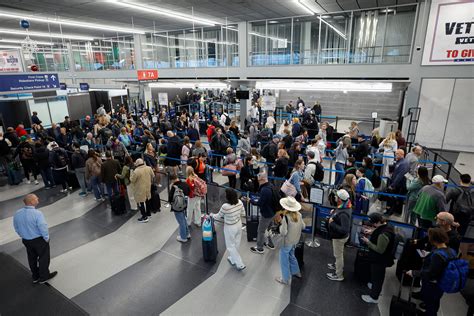
At the heart of Spirit’s opposition lies a sobering reality for American air travel: the vanishing middle ground. As legacy carriers expand through strategic alliances and regional dominance, and ultra-low-cost carriers fight for access and viability, the spectrum of airline choice becomes increasingly polarized.
In effect, Spirit argues, partnerships like Blue Sky create a landscape where budget carriers are penned into less profitable, more congested corners of the market. Over time, their business model becomes unsustainable—not due to inefficiency, but because of structural disadvantages engineered by dominant players.
Furthermore, the airline raises concerns about the effect of such partnerships on airfare inflation. While competition from low-cost carriers historically pressured legacy airlines to keep prices down, the consolidation of power under joint ventures could weaken that dynamic.
The Legal Framing: Antitrust and Beyond
While much of Spirit’s argument centers on competitive economics, they are also appealing to the legal dimension. Specifically, the airline has urged the DOT to consider whether the Blue Sky alliance constitutes an “unfair method of competition” under U.S. antitrust law.
This legal phrasing is key. Spirit doesn’t merely accuse United and JetBlue of breaching existing statutes—they argue the partnership undermines the spirit of fair market competition, regardless of whether it ticks the right legal boxes.
In doing so, Spirit aligns its case with a broader regulatory trend under the current U.S. administration, which has prioritized consumer protection and market fairness in sectors ranging from technology to transportation. If the DOT is receptive, Spirit’s argument may find fertile ground.
The DOT’s Dilemma: Precedent vs. Progress
The Department of Transportation now finds itself at a critical juncture. A decision to extend the review process, as Spirit requests, could lead to delays, amendments, or even a restructuring of the Blue Sky alliance. But moving forward without deeper scrutiny may risk setting a regulatory precedent that makes future alliances harder to challenge.
There’s also the question of public trust. If regulators are seen as rubber-stamping deals that centralize power in the hands of a few legacy carriers, public confidence in air travel fairness could erode.
Meanwhile, the political optics are delicate. On one hand, the Biden administration has championed competition as a policy goal. On the other, disrupting major airline partnerships could carry economic ramifications in the short term, especially in an industry still navigating post-pandemic turbulence.

What the Outcome Could Mean for the Industry
Should the DOT accept Spirit’s requests, the Blue Sky alliance would be placed under prolonged regulatory review, potentially forcing both United and JetBlue to amend or publicly disclose the full extent of their partnership.
Such an outcome could empower other budget airlines to speak out against similar deals, potentially chilling the pace of consolidation in the sector. Alternatively, if the DOT approves the alliance without additional scrutiny, it might embolden other legacy carriers to pursue similar alliances, triggering a new wave of competitive reshaping in the industry.
Either way, the decision will have long-term ripple effects. It’s not just about United, JetBlue, or Spirit—it’s about the rules of the game for all players in American aviation.
Conclusion
The unfolding battle over the Blue Sky alliance is far more than a corporate skirmish—it’s a pivotal contest over the future of air travel in the United States. With Spirit Airlines refusing to retreat, and the Department of Transportation facing mounting pressure to act, the case has become a litmus test for market fairness, regulatory transparency, and consumer protection.
As the process plays out, travelers, policymakers, and industry watchers alike will be observing not only the fate of one partnership, but the direction of an entire industry. Whether Spirit’s stand leads to policy reform or falls flat under corporate lobbying remains to be seen. But what’s clear is this: the skies over America’s airline industry have never been more contested.