San Francisco International Airport (SFO), nestled on the edge of the Pacific, has long been recognized for its strategic location facilitating transpacific air travel. However, the spotlight in 2026 shines brightly on SFO’s increasingly dynamic transatlantic connectivity. With 16 airlines operating nonstop flights to Europe, San Francisco now plays a pivotal role in bridging the United States with the cultural capitals of Europe.
United Airlines: The West Coast Titan
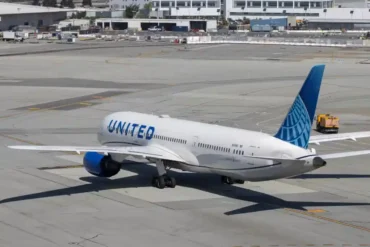
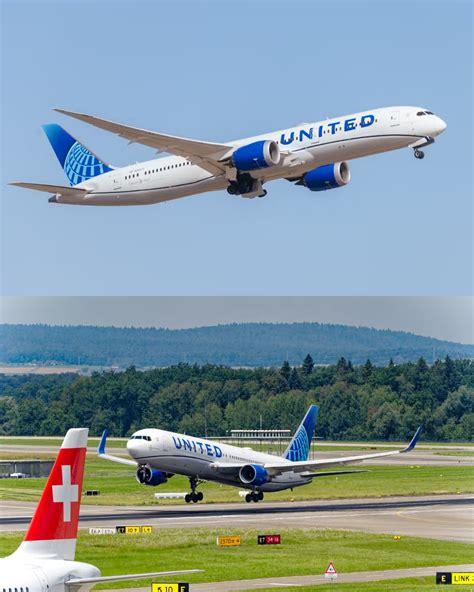
Among the airlines making waves, United Airlines stands as the undisputed leader in transatlantic service from SFO. In 2026, United will operate 3,106 flights, offering an impressive 850,948 seats, which translates to a 35.8% share of total flights and 32% of seat capacity. This represents a daily average of over eight flights bound for Europe.
United’s European portfolio blends seasonal and year-round service. Key seasonal routes include Amsterdam (AMS), Barcelona (BCN), Rome (FCO), and Zürich (ZRH), while Frankfurt (FRA), London Heathrow (LHR), Munich (MUC), and Paris Charles de Gaulle (CDG) enjoy year-round service. All are operated with a fleet dominated by Boeing 777 and 787 widebody aircraft, showcasing United’s emphasis on comfort and long-haul performance.

United’s CEO Scott Kirby aptly summarized the carrier’s ambitions: “We’re winning more Bay Area customers because of our investments in the product, the experience, and the places we fly.” This sentiment is reflected in their aggressive expansion strategy.
European Heavyweights with Daily Presence
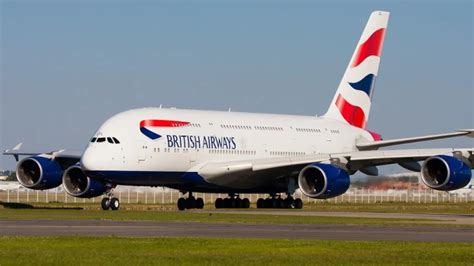
Five European carriers also distinguish themselves with more than one daily departure, a testament to growing transatlantic demand. British Airways and Lufthansa each lead the group with 722 annual departures, though Lufthansa edges ahead in capacity with 266,137 seats versus BA’s 261,863. British Airways operates Boeing 777 and the A380 superjumbo on its iconic London Heathrow route, while Lufthansa services both Frankfurt (via 747-400/747-8) and Munich (via A350-900/A380).
Turkish Airlines comes in strong with 564 departures to Istanbul (IST), exclusively served by the A350-900. Frequencies peak during summer, with July and August boasting 53 flights each. Meanwhile, Virgin Atlantic and Air France round out the top tier. Virgin Atlantic’s 552 flights to London Heathrow, operated with A350-1000 and 787-9, are closely matched by Air France’s 541 flights to Paris CDG, utilizing the A350-900, 777-200ER, and 777-300ER.
Broadening Horizons: The Rest of the Roster
Beyond the giants, ten other carriers maintain less frequent but strategically significant European connections. These include legacy brands and new challengers alike:
- KLM Royal Dutch Airlines (356 departures to Amsterdam)
- Aer Lingus (351 departures to Dublin)
- SWISS (351 departures to Zürich)
- Scandinavian Airlines (SAS) (334 flights to Copenhagen)
- ITA Airways (231 departures to Rome)
- TAP Air Portugal (227 flights to Lisbon and Terceira)
- French bee (186 flights to Paris Orly)
- Iberia (184 flights to Madrid and Barcelona)
- Condor (157 flights to Frankfurt)
- LOT Polish Airlines, the newest entrant, will offer 98 flights to Warsaw between May and October.

These carriers represent a diverse tapestry of Europe’s geographic and cultural offerings. From Portugal’s sun-drenched coasts to the Nordic efficiency of Copenhagen, San Francisco’s European routes offer West Coast travelers unprecedented access to the continent’s treasures.
The Numbers Behind the Surge
Cirium’s 2026 data confirms an astounding 8,682 scheduled European departures from SFO, with over 2.65 million available seats. This marks a significant increase in transatlantic capacity and solidifies San Francisco as a key transatlantic gateway—a title once largely reserved for East Coast hubs like New York JFK or Boston Logan.
This growth isn’t just about numbers. It reflects deeper shifts: increasing global demand, recovery of international business travel, and airline strategies to diversify away from congested hubs. For the Bay Area, it means more connectivity, more competition, and more convenience.
Aircraft Types: Widebodies Rule the Sky
Long-haul transatlantic flights demand endurance, comfort, and efficiency. Unsurprisingly, twin-aisle aircraft dominate the routes. Among them, the Airbus A350, Boeing 787 Dreamliner, and Boeing 777 are the mainstays. Additionally, the Airbus A380 and Boeing 747-8 make select appearances, offering passengers the nostalgia and comfort of four-engine giants.
Airlines like Lufthansa, British Airways, and Air France continue to deploy these iconic aircraft on high-demand routes, reinforcing San Francisco’s importance in their global networks.
SFO’s Strategic Role in 2026 and Beyond
San Francisco’s increasing transatlantic footprint represents more than just new routes—it’s part of a broader transformation. SFO is investing in terminal upgrades, improved passenger experiences, and sustainable operations. These infrastructural enhancements ensure the airport remains competitive as global demand for travel rebounds.
Moreover, the city’s unique blend of tech industry pull, tourism appeal, and global community makes it a natural hub for European carriers expanding westward. From biotech execs heading to Zürich to tourists flying to the Amalfi Coast via Rome, SFO has become a true European gateway for the Pacific time zone.
Final Thoughts: 16 Airlines, One Connected World
In 2026, San Francisco International Airport connects to Europe with a richness and diversity unmatched in years past. Whether aboard United’s Dreamliner to Munich, Turkish Airlines’ A350 to Istanbul, or French bee’s cost-effective hop to Paris Orly, passengers have an unprecedented suite of options.
As the skies over the Atlantic grow increasingly populated, SFO is no longer just a Pacific Rim player—it is now a central node in the global aviation web, with Europe well within nonstop reach.