Europe’s low-cost aviation sector has been thrust into the spotlight after easyJet firmly rejected a £4.7 billion takeover proposal from US investment firm Castlelake, describing the offer as an attempt to acquire the airline “on the cheap.” The carrier’s board unanimously dismissed the latest bid, arguing that it significantly undervalues the company’s assets, future growth prospects, and strategic position within Europe’s highly competitive airline market.
Castlelake’s third proposal represented its highest valuation so far, offering £6.25 per share, an increase over previous bids of £5.60 and £6.00 per share. Despite the improved terms, easyJet maintained that the timing of the offer was highly opportunistic, taking advantage of temporary weakness in the airline’s stock price rather than reflecting its long-term value. The board concluded that accepting the proposal would not serve the best interests of shareholders.
The dispute has intensified ahead of a crucial deadline that will force Castlelake either to walk away or submit a formal offer. By publicly revealing the details of its proposal, the American investment company sought to give shareholders an opportunity to evaluate the bid independently. Nevertheless, easyJet’s leadership remained united in rejecting the approach and emphasized confidence in the airline’s recovery trajectory.
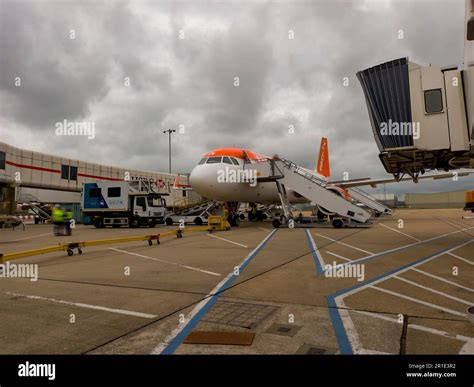
easyJet Says Share Price Weakness Does Not Reflect Long-Term Potential
According to the airline, Castlelake’s valuation relies heavily on factors that have temporarily depressed its market performance. These include geopolitical uncertainty in the Middle East, weaker short-term earnings, and analyst forecasts that focus on near-term challenges rather than long-term opportunities.
easyJet argued that such metrics fail to capture the company’s strategic strengths. Management believes the airline is positioned to benefit from continued travel demand across Europe, a modern fleet, expanding route networks, and improving profitability. The company considers the current valuation environment to be distorted and believes shareholders would lose significant upside if the business were sold under present conditions.
Castlelake’s approach follows a difficult period for easyJet. The airline reported a first-half pre-tax loss of approximately $745 million for the six months ending in March. Seasonal factors traditionally weigh heavily on European airlines during winter months, but management expects stronger performance during the busy summer season.
Castlelake Continues Pursuit After Spirit Airlines Collapse
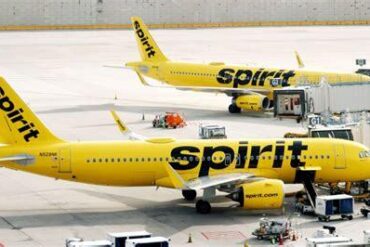
Castlelake is no stranger to the airline industry. Earlier in the year, the investment firm showed interest in acquiring Spirit Airlines in the United States. That effort ultimately failed, and Spirit collapsed in May, leaving questions about Castlelake’s broader ambitions within the low-cost aviation sector.
Some industry observers had questioned whether the firm intended to preserve Spirit’s operations or focus on extracting value from its assets. Following the failure of that transaction, attention shifted toward easyJet, which appeared vulnerable because of market pressures and lower share prices.

However, easyJet’s management has shown little willingness to entertain the proposals. The airline insists that the company possesses considerable growth opportunities and that temporary market conditions should not determine its overall worth.
One of Europe’s Largest Budget Airlines Remains a Powerful Player
Despite financial headwinds, easyJet remains among the dominant forces in European aviation alongside Ryanair and Wizz Air. Current schedules indicate that the group operates more than 56,000 flights during June, spread across easyJet, easyJet Europe, and easyJet Switzerland.
The airline has spent decades building a substantial network that connects major cities and leisure destinations throughout the continent. Its strong brand recognition and extensive customer base continue to provide a competitive advantage in the low-cost market.
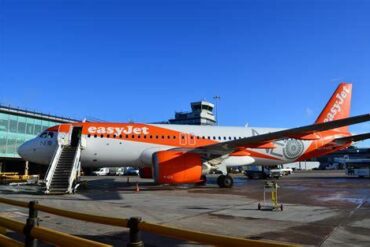
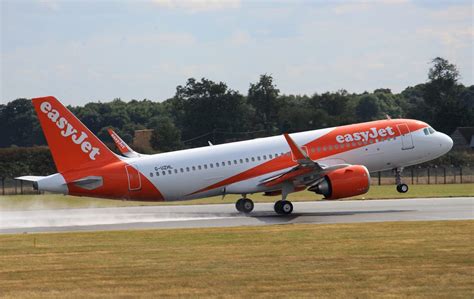
Fleet development has also played an important role in the company’s growth. After beginning operations with Boeing aircraft, easyJet gradually transitioned into an all-Airbus operator. Today, the carrier operates approximately 366 aircraft, primarily consisting of Airbus A320-family jets. The continued modernization of its fleet has helped improve efficiency and reduce operating costs.
High-Stakes Decision Awaits Castlelake
With regulatory deadlines approaching, Castlelake now faces a pivotal choice. The investment firm can either abandon its pursuit or submit a firm offer that may force the issue further. For now, easyJet has made its position unmistakably clear.
Management believes the airline’s current market value does not accurately reflect its future earnings potential, operational scale, and competitive standing. By rejecting the £4.7 billion proposal, easyJet has signaled that it expects considerably greater value from its long-term strategy than what Castlelake has been willing to offer.
The coming days will determine whether the takeover battle escalates or ends with easyJet remaining firmly independent as one of Europe’s most influential low-cost carriers.