United Airlines Must Defend Claims Over Misleading Window Seat Charges
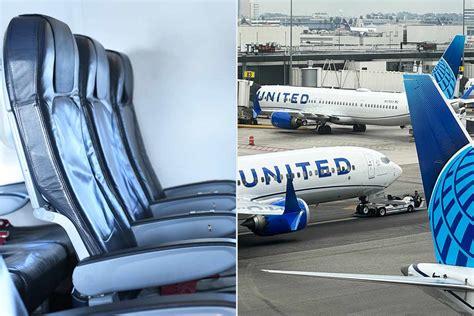
United Airlines will have to face a passenger lawsuit after a federal judge rejected the carrier’s attempt to dismiss claims involving so-called “windowless” window seats. The case centers on whether passengers who paid extra for window seats were misled when they arrived at their assigned locations and discovered they were sitting beside blank cabin walls instead of actual windows.
According to reports, US District Judge James Donato ruled that United’s argument — that a window seat only refers to the seat’s position inside the aircraft rather than the existence of a physical window — was not enough to end the case at an early stage. The decision allows passengers’ claims to move forward and places renewed attention on how airlines describe and sell premium seat selections.
The lawsuit follows similar complaints involving United Airlines and Delta Air Lines, with passengers arguing that airlines charged additional fees for seats advertised as window locations without clearly revealing that some of those seats lacked an outside view.
The Dispute Over What Defines a Window Seat
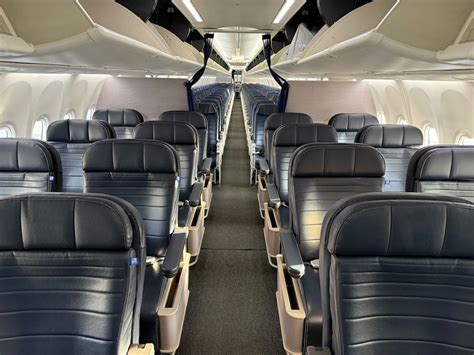
United’s defense has focused on the technical meaning of a window seat. The airline has argued that the term traditionally identifies a seat located next to the aircraft wall, even in situations where a physical window may not exist because of the aircraft’s interior design.
However, passengers involved in the lawsuit claim that ordinary travelers understand a window seat to mean a place where they can look outside. They argue that airlines should disclose missing windows during the booking process, especially when customers pay higher prices to select specific seats.
For many travelers, a window seat is not simply about location. Some passengers choose these seats because they experience fear of flying, motion sickness, or because they want natural light and entertainment options for children. The plaintiffs argue that these expectations create a clear difference between a seat beside a window and a seat beside a blank panel.
Why Aircraft Can Have Seats Without Windows
Windowless window seats are not a new aircraft phenomenon. Modern commercial aircraft often contain complex internal structures that determine where seats and windows can be positioned. A row may not perfectly align with the aircraft’s window placement because of engineering requirements.
Certain factors can create these unusual seating arrangements, including:
- Aircraft utilities, such as air conditioning systems, electrical wiring, and equipment compartments that require specific internal space.
- Structural components, where the aircraft frame and reinforcement areas affect window placement.
- Emergency exit configurations, where door mechanisms and safety requirements can change seat alignment.
These design limitations mean that some seats marketed as window locations may have a wall panel beside them instead of a transparent window. The controversy is not about whether these seats can exist, but whether passengers receive enough information before purchasing them.
Millions Of Dollars At Stake In Passenger Claims
The lawsuit seeks significant damages and reportedly involves claims from a large number of affected passengers. The plaintiffs argue that they paid additional fees for a feature they did not receive and that airlines failed to provide adequate disclosure during the reservation process.
Judge Donato’s decision does not determine whether United violated consumer protection laws. Instead, it allows the legal arguments to continue, meaning the court will examine whether the airline’s seat descriptions created a misleading impression.
United has declined to comment on the ongoing litigation but has indicated that it has improved its online seat selection information to provide customers with more details about what they can expect when choosing seats.
A Bigger Question For Airline Transparency
The case highlights a broader issue in modern air travel: the growing importance of ancillary fees and paid seat selections. Airlines increasingly allow passengers to purchase specific locations, including window and aisle seats, but disputes arise when the advertised features do not match customer expectations.
The outcome of the lawsuit could influence how airlines describe seat options in the future. If courts determine that passengers reasonably expect a window seat to include a physical window, carriers may need to provide clearer warnings during booking.
For United Airlines, the legal battle now moves beyond a simple seating complaint. It has become a debate about consumer expectations, transparency, and whether airlines must provide exactly what passengers believe they are paying for.