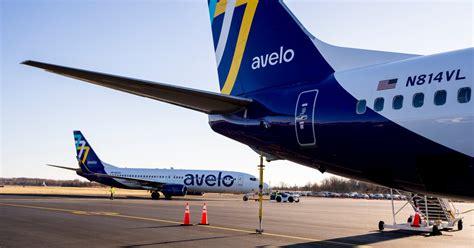
Avelo Airlines is confronting a high-stakes legal battle that cuts to the core of aviation safety culture and workplace equality. Former captain Kimberly Duffy has filed a federal lawsuit alleging that her termination was not only retaliatory but also rooted in gender discrimination. The case, lodged in the District of Connecticut, positions one of the airline’s most experienced pilots against a growing low-cost carrier still shaping its identity in a competitive market.
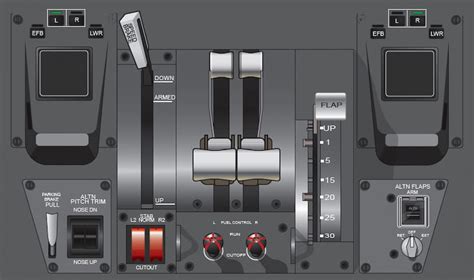
At the center of the complaint lies a serious accusation: that Duffy, described as the airline’s only female captain at the time, was dismissed just days after raising multiple safety concerns tied to Federal Aviation Administration (FAA) procedures. These concerns reportedly spanned a wide spectrum, including cockpit conduct, flight-control issues, anti-icing protocols, and pilot scheduling practices—each of which carries direct implications for operational safety.
Rather than addressing these concerns through internal safety channels, the lawsuit alleges that Avelo responded with disciplinary measures that escalated quickly into termination. According to the filing, Duffy was ultimately fired on February 27, 2025. The complaint frames this decision as a punitive response to her persistence in highlighting safety risks, raising questions about how internal reporting systems are handled within the airline.
Allegations of Retaliation and Unequal Treatment
The legal filing goes beyond claims of retaliation, introducing a second, equally consequential dimension: gender discrimination. Duffy asserts that male captains accused of similar or more severe conduct were treated with greater leniency. In contrast, she claims she was criticized for what was described as a “superior attitude,” a characterization that her legal team argues reflects biased judgment rather than objective evaluation.
This alleged disparity forms a critical pillar of the case. In the aviation industry—long recognized as male-dominated—claims of unequal discipline carry weight not only for the individuals involved but also for broader workforce dynamics. If substantiated, such allegations could indicate systemic issues within pilot management and corporate oversight structures.
The airline has not yet formally responded to the claims in court, leaving the allegations unproven at this stage. However, the absence of a response does little to dampen the potential impact of the lawsuit, which is already drawing attention for its implications beyond a single employment dispute.
A Test of Safety Culture in a Growing Airline
For Avelo Airlines, the lawsuit arrives at a sensitive moment. As a relatively young entrant in the U.S. aviation market, the carrier has been working to establish credibility and trust among passengers, regulators, and employees. Legal challenges tied to safety reporting threaten to undermine that progress, particularly when they involve FAA-regulated procedures.
The aviation industry operates on a foundational principle: that safety concerns must be reported freely and addressed without fear of retaliation. This culture of transparency is essential to preventing incidents and maintaining operational integrity. Allegations that a pilot faced termination after raising such concerns strike at the heart of that principle.
Beyond regulatory scrutiny, reputational risk looms large. Public perception can shift rapidly when safety issues enter the narrative, especially for low-cost carriers that rely heavily on consumer confidence. Even if the airline ultimately prevails in court, the process itself may compel it to publicly defend its internal practices, exposing operational details that would otherwise remain behind closed doors.
Legal Pathways and What Comes Next
The case now enters the early stages of federal litigation, a process that can be both lengthy and revealing. Avelo Airlines is expected to file a formal response, which may include denying the allegations, seeking dismissal, or presenting an alternative account of events. This initial response will likely set the tone for the legal battle ahead.
From there, the discovery phase could prove decisive. During this stage, both parties may exchange evidence, including internal communications, safety reports, training records, and personnel files. Witness testimony may also play a critical role, potentially shedding light on how safety concerns were handled and whether disciplinary actions were applied consistently across the workforce.
While a full trial remains a possibility, many employment disputes are resolved through settlement or pre-trial motions such as summary judgment. Each outcome carries different implications. A settlement might limit public disclosure but still signal underlying issues, while a trial could bring detailed scrutiny and broader industry attention.
Broader Implications for the Aviation Industry
This lawsuit resonates beyond a single airline, touching on enduring challenges within aviation: the balance between operational efficiency and safety accountability, and the ongoing effort to achieve gender equity in cockpit leadership. Female captains remain underrepresented globally, making allegations of discriminatory treatment particularly significant.
The case also reinforces the importance of robust whistleblower protections. Aviation safety depends on the willingness of pilots and crew to speak up without hesitation. If reporting mechanisms are perceived as punitive rather than protective, the consequences can extend far beyond internal disputes, potentially affecting passenger safety.
As the legal process unfolds, the industry will be watching closely. The outcome may influence not only Avelo Airlines’ trajectory but also how other carriers approach internal reporting, pilot discipline, and workplace equity. In a field where precision and trust are paramount, even allegations can leave a lasting imprint.