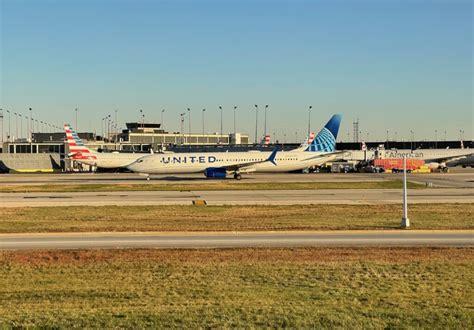
A controversial cockpit security incident involving a United Airlines charter flight has triggered growing criticism from aviation professionals after Captain Cynthia Clifford allegedly lost her job for reporting a flight deck breach through the airline’s internal safety system. The case has reignited debate over pilot protections, charter flight culture, and whether airlines genuinely support non-punitive safety reporting programs.
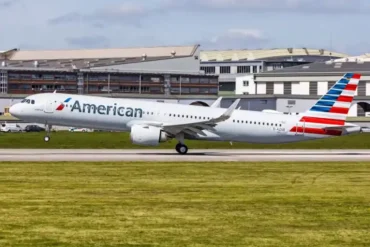
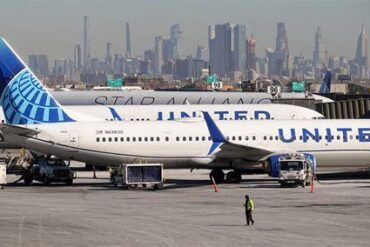
The incident occurred aboard a United Airlines Boeing 757 operating a charter flight for the Colorado Rockies baseball team between Denver International Airport and Toronto Pearson International Airport. According to reports surrounding the case, Clifford temporarily left the cockpit during the flight to use the restroom. During that time, a member of the baseball team’s coaching staff allegedly entered the cockpit and sat in the captain’s seat while another pilot remained at the controls.
The situation reportedly became more serious after a photograph or social media content emerged showing the unauthorized individual occupying the captain’s position. Clifford later escalated the matter through the airline’s Flight Safety Action Program, commonly known as FSAP, which exists specifically to encourage pilots and aviation employees to report safety concerns without fear of retaliation.
For many in the aviation community, that decision should have protected her career rather than end it.
The Federal Aviation Administration and United Airlines have not publicly detailed every aspect of the internal process, but multiple aviation insiders and retired airline officials have sharply criticized the outcome. Critics argue the firing sends a dangerous message to pilots who may hesitate to report future security or procedural breaches.
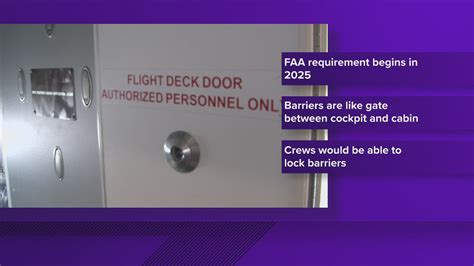
By aviation standards, unauthorized access to the cockpit remains one of the industry’s most sensitive security violations, particularly in the post-9/11 era where strict flight deck protections became federally mandated across commercial aviation.
Cockpit Breach Reportedly Triggered Internal Fallout
Clifford reportedly filed the incident under FSAP procedures shortly after learning about the cockpit access issue. Under standard practice, reports accepted into the program are generally shielded from disciplinary action because the system is designed to identify operational risks and improve safety standards rather than punish individuals who self-report concerns.
According to details circulating within aviation circles, a three-person Event Review Committee initially accepted the report, which suggested the matter could have concluded as a protected safety disclosure. However, the case later escalated after FAA involvement reportedly intensified scrutiny surrounding the incident.
Complications emerged because alcohol allegedly played a role in the event. Reports claim the coach who entered the cockpit had consumed alcohol during the charter flight, leading regulators to question whether additional preventative measures should have been taken by the operating crew.
The first officer present in the cockpit at the time of the incident also reportedly lost their position. Observers believe investigators focused on why the cockpit intrusion was not immediately stopped and whether crew resource management procedures failed during the flight.
What makes the case especially controversial is the allegation that the pilots themselves initiated the safety disclosure rather than attempting to conceal the event. Aviation analysts note that FSAP programs rely entirely on trust between frontline crews, airlines, and regulators. If pilots fear retaliation after reporting incidents, experts warn the system’s effectiveness could rapidly deteriorate.
Aviation Experts Question “Scapegoat” Claims
Retired United Airlines captain Karlene Petitt emerged as one of the most vocal critics of the airline’s handling of the incident. Petitt reportedly argued that Clifford became a “scapegoat” amid broader concerns involving charter flight operational culture and long-standing questions surrounding cockpit discipline on sports charters.
Charter operations involving professional sports teams often differ from standard commercial passenger flights. High-profile clients frequently receive elevated treatment, and some aviation professionals privately acknowledge that cockpit access rules can become less rigid in these environments despite federal security laws remaining unchanged.
Several former airline employees have pointed to an “informal culture” aboard certain charter operations where celebrity passengers, athletes, or coaching staff may receive privileges that would never be tolerated on scheduled commercial services. Even so, aviation security rules explicitly prohibit unauthorized individuals from occupying pilot seats or interfering with cockpit operations.
The optics surrounding the case became even more damaging after reports suggested no disciplinary action was publicly taken against the coach involved in the breach itself. That discrepancy fueled criticism that pilots bore the full consequences while the non-crew participant escaped accountability.
Captain Anne Worster of the Air Line Pilots Association reportedly testified in support of Clifford during proceedings connected to the dismissal. Despite union involvement, the termination allegedly moved forward.
Charter Flight Security Standards Under Renewed Scrutiny
The controversy arrives during a period of heightened industry sensitivity regarding cockpit security and operational compliance. Airlines continue facing immense regulatory pressure to maintain strict adherence to flight deck access policies established after the September 11 terrorist attacks fundamentally reshaped global aviation security.
Passengers remain prohibited from entering cockpits during active operations unless specifically authorized under tightly controlled circumstances. Even seemingly harmless interactions can create significant distraction risks or undermine established security procedures.
Aviation safety advocates now warn that the larger issue extends beyond a single incident or personnel decision. The case has become symbolic of a deeper conflict between operational transparency and corporate liability management within commercial aviation.
For many pilots, the central question is no longer whether the cockpit breach itself violated policy. Instead, attention has shifted toward whether reporting a safety concern honestly can still jeopardize an airline career.