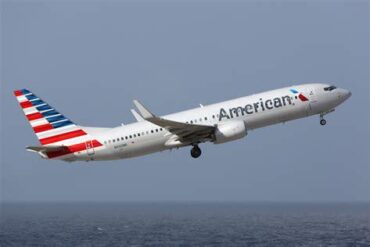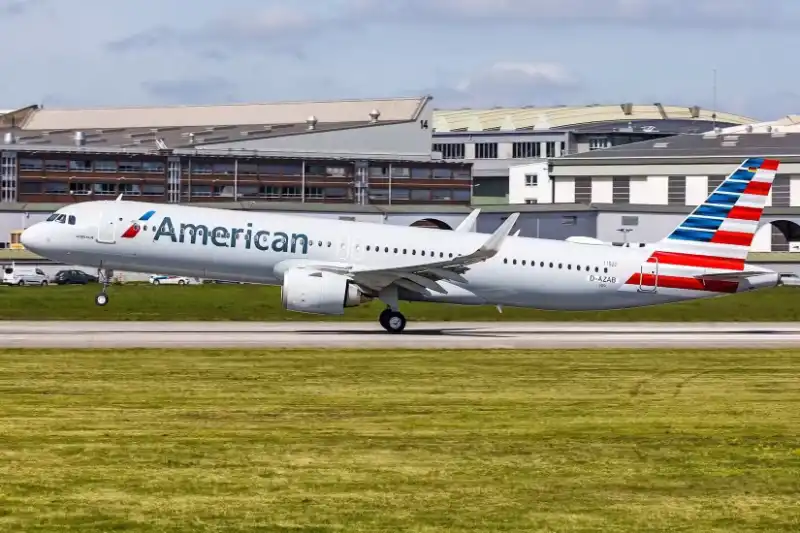
A paying first-class passenger expecting a premium travel experience instead found themselves seated in Row 13—an outcome that has ignited fresh criticism of airline downgrade policies and customer service standards. The incident involving American Airlines has rapidly gained traction online, highlighting the fragile relationship between airline operational decisions and passenger expectations in an era where every disruption can go viral within minutes.
The complaint, originally shared on social media platform X, paints a stark picture of dissatisfaction. The passenger claimed they had purchased a first-class ticket but were involuntarily reassigned to an economy-class seat following an aircraft change. With no detailed explanation provided at the time and limited compensation options reportedly offered, the situation escalated from a personal inconvenience to a public relations headache.
When Premium Promises Collapse Mid-Journey
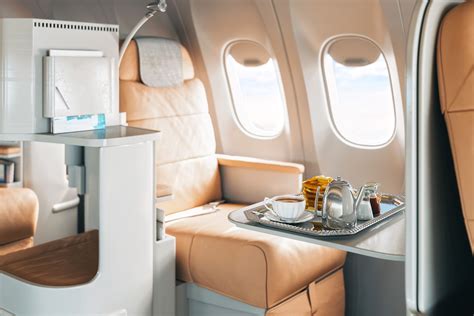
Air travel, especially in premium cabins, is built on the promise of comfort, exclusivity, and reliability. First-class passengers pay a significant premium not only for larger seats and better meals but also for a seamless, predictable experience. When that expectation is disrupted—particularly without clear communication—it creates a sense of betrayal that goes beyond mere inconvenience.
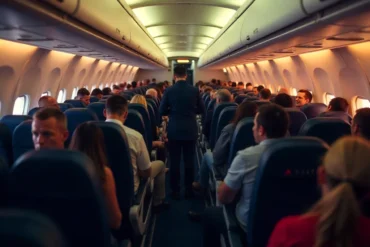
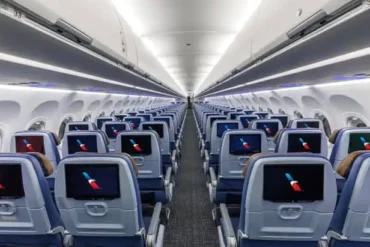
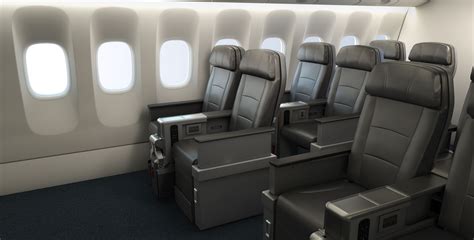
In this case, the passenger described being moved to Row 13, a seat location commonly associated with standard economy cabins on many aircraft. While seat configurations vary depending on aircraft type, the symbolic downgrade from first class to a mid-cabin seat carries a strong emotional impact. The complaint resonated widely because it reflected a fear many travelers share: paying more but receiving less.
Aircraft Swaps and the Domino Effect on Seating
Operationally, airlines frequently face situations that necessitate last-minute aircraft changes. These swaps can occur due to maintenance issues, scheduling conflicts, or fluctuating demand. However, when a replacement aircraft has fewer premium seats, airlines must make difficult decisions about who gets to keep their upgraded position.
Typically, such decisions are influenced by factors including:
- Fare class purchased
- Frequent flyer status
- Time of booking
While these criteria may seem logical from an operational standpoint, they often feel arbitrary to passengers affected by the outcome. The lack of transparency in how these decisions are made only deepens frustration, particularly when communication is delayed or unclear.
The Communication Breakdown That Fuels Backlash
What turns a manageable inconvenience into a viral controversy is often not the downgrade itself, but how it is handled. In this instance, the passenger alleged there was no prior notice, no clear justification, and insufficient compensation offered at the moment of disruption.
This highlights a recurring issue within the airline industry: communication gaps during irregular operations. Passengers are far more likely to accept disruptions if they are informed early, given clear reasons, and offered immediate solutions. Without these elements, even routine operational changes can feel like negligence.
The viral quote—complaining about being moved “to a center seat in row 13 because you downsized your plane”—captures the emotional core of the issue. It’s not just about the seat; it’s about the perceived disregard for the customer.
Regulatory Frameworks and Passenger Rights
In the United States, where American Airlines operates, regulations from the Department of Transportation require airlines to compensate passengers for involuntary downgrades. Typically, this involves refunding the fare difference between the purchased class and the one actually flown.
However, beyond this baseline requirement, the consistency of additional compensation—such as travel vouchers or loyalty points—varies significantly. This inconsistency creates uneven experiences, where two passengers in similar situations might receive vastly different outcomes.
Globally, the situation is even more fragmented. European regulations tend to be stricter, while other regions rely heavily on airline-specific policies. For international carriers, this patchwork of rules complicates efforts to standardize customer service responses.
Social Media: The New Customer Service Battleground
Incidents like this rarely remain private anymore. Social media platforms have transformed into powerful amplifiers of customer dissatisfaction. A single post can reach millions, forcing airlines to respond publicly and often more quickly than through traditional support channels.
For airlines, this creates a double-edged sword. On one hand, it provides an opportunity to resolve issues visibly and rebuild trust. On the other, it exposes every misstep to intense scrutiny. In this case, the viral nature of the complaint has reignited broader debates about accountability, transparency, and fairness in airline operations.
Passengers increasingly expect not just resolution, but acknowledgment—and quickly. Silence or delayed responses can be interpreted as indifference, further damaging brand perception.
The High Stakes of Premium Cabin Loyalty
Premium cabins represent a crucial revenue stream for full-service airlines. First-class and business-class passengers are often among the most loyal customers, frequently traveling for business or high-value leisure trips. Their expectations are correspondingly high, and their dissatisfaction carries greater long-term consequences.
When a premium passenger experiences a downgrade without adequate handling, the impact extends beyond a single flight. It can influence future booking decisions, brand loyalty, and even corporate travel policies for frequent flyers.
Airlines are acutely aware of this dynamic, which is why many are investing in technology aimed at minimizing disruptions. Automated rebooking systems, real-time notifications, and improved compensation workflows are all part of ongoing efforts to bridge the gap between operational necessity and customer satisfaction.
An Industry Under Pressure to Adapt
This incident involving American Airlines is not isolated. Similar cases have surfaced across the industry, particularly during periods of high demand or operational strain. As global air travel continues to rebound and expand, the frequency of such challenges may increase.
The real test lies in how airlines respond. Transparency, proactive communication, and consistent compensation policies are no longer optional—they are essential components of modern customer service. Passengers are more informed, more connected, and less tolerant of ambiguity than ever before.
Ultimately, the controversy underscores a fundamental tension in aviation: the need to balance operational flexibility with the promises made to customers. When that balance tips too far in one direction, trust erodes quickly.
For travelers, the lesson is clear—while premium tickets offer enhanced comfort, they do not guarantee immunity from disruption. For airlines, the message is even clearer: how disruptions are handled matters just as much as avoiding them in the first place.