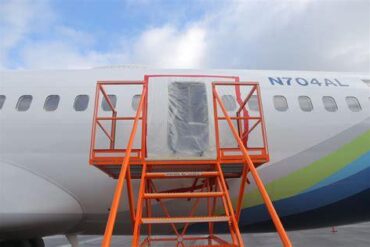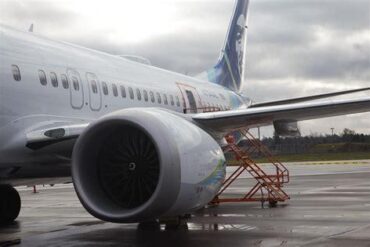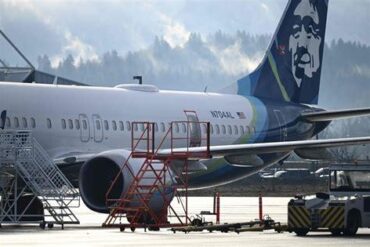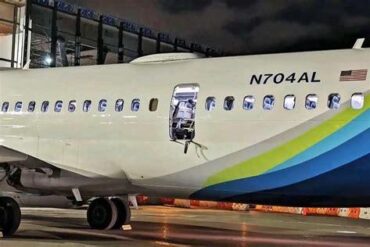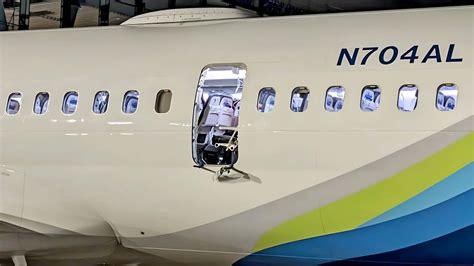
On January 5, 2024, a terrifying event unfolded aboard Alaska Airlines Flight 1282, when a Boeing 737 MAX 9 aircraft experienced a catastrophic mid-air door plug detachment at an altitude of 16,000 feet. The rapid decompression, caused by the ejection of a fuselage panel that covered an unused emergency exit, triggered a storm of lawsuits, regulatory backlash, and calls for deeper scrutiny of Boeing’s manufacturing and oversight processes. Now, nearly two years later, the case has taken a dramatic turn.
Captain Brandon Fisher Sues Boeing Over Defamation and Emotional Distress
Captain Brandon Fisher, the pilot-in-command of the ill-fated Flight 1282, has launched a $10 million lawsuit against Boeing. Filed on December 30, 2025, in the Circuit Court of the State of Oregon for Multnomah County, Fisher’s suit alleges that Boeing not only failed to acknowledge its role in the incident, but also publicly mischaracterized the actions of the flight crew, shifting blame onto the pilots in an effort to mitigate reputational damage.
Fisher accuses Boeing of falsely attributing passenger injuries to pilot error, despite the fact that he and First Officer Emily Wiprud managed to safely land the aircraft after the explosive decompression. The complaint states that national and international media coverage of Boeing’s statements led to serious reputational harm, with the incident leaving a “dramatic and life-altering” impact on Fisher’s professional and personal life.
Quoting directly from the lawsuit:
“Instead of praising Captain Fisher’s bravery, Boeing inexplicably impugned the reputations of the pilots who had prevented Boeing from having to explain to the families of all passengers and crew why its defective aircraft had resulted in the loss of their loved ones.”
Flight Attendants Also Seek Justice Over Lasting Trauma
Fisher’s legal action follows earlier lawsuits filed by four flight attendants who were aboard Flight 1282: Adam Fisher, Michelle Hughes, Steven Maller, and Christine Vasconcellos. In August 2025, they each submitted individual complaints in King County Superior Court, alleging physical, emotional, and financial damages resulting from the traumatic experience.
Michelle Hughes stated that the incident “profoundly impaired” her life and created “significant obstacles” to returning to her profession. Vasconcellos added that the event was something that “never should have happened,” citing a deep sense of duty in seeking “justice, accountability, and making the sky a safe place.”
Their attorney, Tracy Brammeier, emphasized that the root cause stemmed from Boeing’s production-related negligence, directly linking the crew’s trauma to systemic manufacturing issues at the company.
Boeing’s Manufacturing Failures Under Intensified Scrutiny
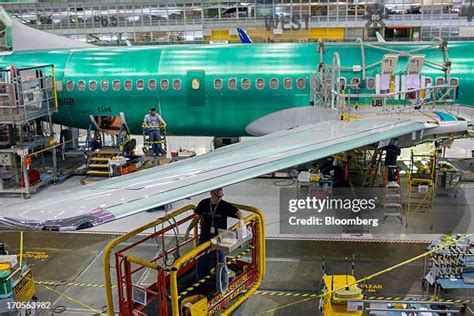
The aircraft involved in the January 2024 incident was a newly manufactured Boeing 737 MAX 9, registered as N704AL, with serial number 67501. It was delivered to Alaska Airlines with component parts supplied by Spirit AeroSystems, including the mid-exit door plug that failed during flight.
Following months of investigation, the National Transportation Safety Board (NTSB) released its final report in July 2025. It identified the probable cause as Boeing’s failure to provide adequate training, guidance, and oversight during the installation and removal of the door plug assembly. The NTSB’s findings revealed that a lack of quality assurance in the Renton, Washington assembly facility had allowed the plug to be improperly installed and left vulnerable to separation during flight.
The NTSB also criticized the Federal Aviation Administration (FAA) for its ineffective compliance enforcement and lax auditing procedures. The report stated that the FAA failed to detect Boeing’s ongoing systemic issues, and did not enforce corrective action for repeated quality control lapses.
Public Confidence in Boeing’s Safety Remains Shaken
In the months following the door plug incident, public sentiment surrounding Boeing’s safety standards has remained deeply fractured. Despite FAA-mandated reforms and Boeing’s pledge to enhance quality control protocols, passenger confidence has yet to fully recover. Many travelers, aviation professionals, and industry watchdogs continue to question whether Boeing has adequately addressed the root causes of its repeated safety lapses.
Notably, in a 2025 consumer aviation survey, 42% of respondents said they would avoid flying on Boeing 737 MAX aircraft—up from 28% prior to the Alaska Airlines blowout. While Boeing has made efforts to increase transparency and comply with enhanced inspections, skepticism lingers, particularly in the wake of multiple lawsuits from both crew and passengers.
Implications for Boeing: Legal, Financial, and Reputational Fallout
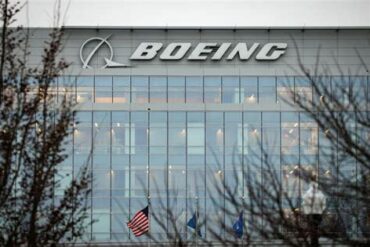
Boeing’s ongoing legal challenges from both flight crew and passengers point to a wider issue: corporate accountability in aerospace manufacturing. The company is not only under pressure from plaintiffs like Captain Fisher and the Flight 1282 crew, but is also being monitored by federal regulators, airlines, and investors.
The $10 million lawsuit by Captain Fisher could set a precedent for individual pilot litigation against aircraft manufacturers, especially in high-profile safety failures. If successful, it may embolden more aviation professionals to come forward against companies that attempt to deflect blame in the aftermath of mechanical failures.
Financially, Boeing’s liability exposure from the Alaska Airlines incident could grow significantly, particularly if courts find the company guilty of defamation or negligence beyond product liability. Reputationally, these developments further erode public and institutional trust in Boeing’s commitment to safety—a pillar that once defined the manufacturer’s legacy.
A Call for Transparency and Industry-Wide Reform
While Boeing’s internal reforms and increased production oversight may address technical faults, critics argue that a deeper cultural change is needed—one that prioritizes pilot integrity, passenger safety, and full transparency over corporate protectionism.
In many ways, Captain Fisher’s lawsuit goes beyond a quest for financial compensation. It’s a confrontation with a corporate narrative that disregards the human toll of aviation failures, spotlighting the emotional and reputational damage suffered by frontline employees who perform under extraordinary pressure.
Boeing has yet to issue a public statement regarding the captain’s allegations or the details of the lawsuit. However, the legal proceedings in Oregon are expected to draw intense media attention and could reshape the conversation around manufacturer accountability in the aviation sector.
The case of Alaska Airlines Flight 1282 continues to serve as a stark reminder: when it comes to aviation safety, failures at the top can have consequences that cascade far beyond the production line—into the lives, careers, and psyches of those trusted with keeping passengers safe.