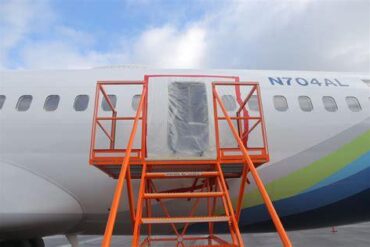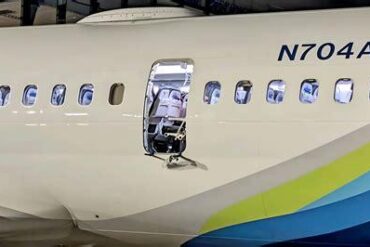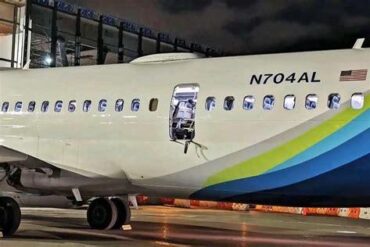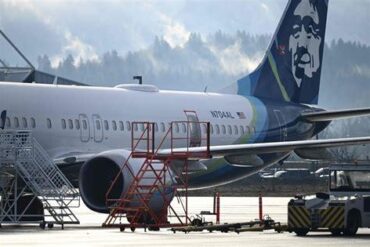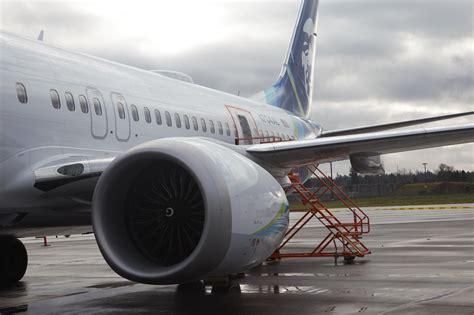
The final report from the National Transportation Safety Board (NTSB) has laid bare a deeply troubling portrait of systemic oversight failures by the Federal Aviation Administration (FAA), which significantly contributed to the dramatic Alaska Airlines Flight 1282 door plug blowout aboard a Boeing 737 MAX 9. The January 5, 2024, incident not only exposed glaring deficiencies in Boeing’s manufacturing protocols but also pointed to chronic lapses in regulatory enforcement that should have identified and rectified such safety issues long before a near-tragedy unfolded over Oregon skies.
FAA’s Oversight Shortcomings and Boeing’s Manufacturing Flaws
At the heart of the NTSB’s 156-page investigative report is the conclusion that Boeing’s failure to maintain clear documentation, provide adequate training, and implement effective quality assurance controls directly led to the misinstallation and eventual detachment of the Mid-Exit Door (MED) plug. Yet just as damning is the NTSB’s finding that the FAA, the agency responsible for safeguarding U.S. airspace, failed to detect or address these systemic problems, despite having both the mandate and the opportunity.
The assembly of the ill-fated Alaska Airlines aircraft took place at Boeing’s Renton, Washington facility, a plant that has long been criticized for aggressive production timelines, workforce instability, and overly complex business process instructions (BPIs). The NTSB found that critical quality control steps were either skipped or inadequately documented, specifically around the MED plug removal and reinstallation, which was not recorded in Boeing’s systems.
This procedural blind spot was allowed to persist largely due to the FAA’s insufficient oversight framework. The agency’s compliance enforcement and audit planning mechanisms failed to flag Boeing’s repeated violations or systemic breakdowns. According to the NTSB, the FAA lacked the robust auditing practices necessary to ensure Boeing had effective safety management systems (SMS) and mitigation strategies in place.
Alaska Airlines Flight AS1282: A Blowout at 14,830 Feet
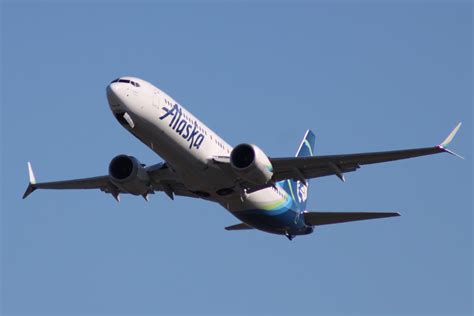
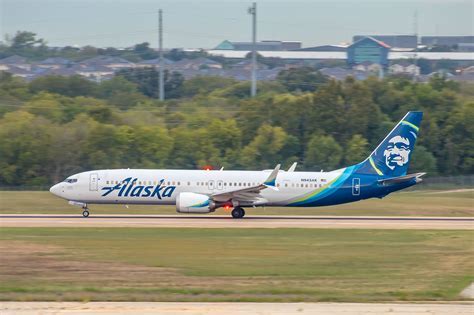
The Alaska Airlines incident occurred mere minutes after takeoff from Portland International Airport (PDX), en route to Ontario International Airport (ONT). Registered as N704AL, the Boeing 737 MAX 9 was ascending through 14,830 feet when passengers and crew were violently jolted by a loud bang. The cabin immediately depressurized, triggering emergency alerts and sending one pilot’s headset flying.
Investigators reported that the flight data recorder (FDR) captured a rapid sequence of warnings—first the cabin pressure alert, followed immediately by the master caution warning. The captain described his head being shoved forward by the decompression blast. The aircraft briefly reached an altitude of 16,320 feet before the flight crew initiated an emergency descent, landing back in Portland approximately 14 minutes later.
Miraculously, there were no fatalities among the 171 passengers and six crew, though minor injuries were reported, including one flight attendant and seven passengers. However, the implications of the incident reverberated far beyond the flight itself.
A Pattern of Regulatory Complacency
The FAA’s inability to preemptively act on Boeing’s quality lapses stems from years of documented deficiencies in regulatory oversight, particularly regarding the 737 MAX program. Following two catastrophic crashes involving the 737 MAX 8 in 2018 and 2019, which claimed 346 lives, the FAA promised sweeping reforms in how it certifies aircraft and oversees manufacturers. However, the door plug incident revealed that these promises have fallen short.
Despite the FAA initiating a Compliance Program designed to promote voluntary safety reporting and corrective actions, the NTSB noted that Boeing often failed to provide timely, actionable responses to issues uncovered during audits. The FAA, for its part, did not escalate enforcement or demand urgent process changes.
One of the most troubling findings was the regulator’s acceptance of decentralized safety responsibilities within Boeing—where engineering and assembly teams operate with minimal cross-verification. The NTSB warned that this fragmented structure leads to safety-critical actions being lost in procedural noise, especially when documentation is poor or absent.
Safety Recommendations Ignored or Delayed
As part of its response, the NTSB issued 11 new recommendations to the FAA and eight to Boeing, alongside the reiteration of four long-standing recommendations the FAA has yet to act upon. Among these is the long-debated issue of cockpit voice recorder (CVR) duration. In the Alaska Airlines case, as in 22 previous investigations, vital CVR data was lost because U.S. regulations only mandate a 2-hour recording loop.
In contrast, both EASA (European Union Aviation Safety Agency) and ICAO (International Civil Aviation Organization) have mandated 25-hour CVR capabilities for all aircraft manufactured after January 1, 2021. Despite this, the FAA has only issued a Notice of Proposed Rulemaking (NPRM) and failed to enact a final rule. The 2024 FAA Reauthorization Act does include language requiring extended CVR duration, but regulatory implementation is still pending.

Boeing’s Internal Crisis: Documentation, Training, and Accountability
The door plug mishap adds another layer to Boeing’s ongoing reputational crisis. According to the NTSB, the physical work of removing and reinstalling the MED plug was performed at Boeing’s Renton site, but no trace of this action was found in official production records. Furthermore, the workforce executing the task lacked clear instructions or adequate training on how to document such changes, reflecting a deeper institutional failure of accountability.
The Business Process Instructions (BPIs), which are supposed to guide workers step-by-step through safety-critical tasks, were described by investigators as convoluted and inconsistent. Compounding the issue was a high degree of worker turnover, which left newly onboarded personnel without proper mentorship or oversight.
Boeing’s Safety Management System, a key component introduced in the wake of the MAX 8 tragedies, was found to be insufficiently mature and poorly integrated with day-to-day operations. While SMS frameworks are designed to proactively identify and mitigate risks, Boeing’s implementation appears to be more procedural than practical.
Industry-Wide Implications and Public Trust
The Alaska Airlines door plug incident is a wake-up call not only for Boeing and the FAA but for the entire aviation industry. In an era of increasing automation and globalization of aircraft production, the need for strong regulatory oversight, clear documentation, and a culture of safety accountability has never been more urgent.
The incident raises a broader question: can public trust in the safety of U.S.-built commercial aircraft be restored if foundational lapses continue? The FAA, once considered the global gold standard of aviation oversight, now finds itself under intense international scrutiny.
While FAA Administrator Mike Whitaker has pledged reforms, including a “reset” in how the agency oversees Boeing, critics argue that without fundamental restructuring and enhanced enforcement powers, such efforts may be cosmetic.
Looking Forward: Will Real Change Take Flight?
The road to redemption for both the FAA and Boeing will require more than remedial training sessions and updated manuals. The NTSB’s recommendations must be translated into concrete regulatory changes, backed by frequent unannounced audits, stronger whistleblower protections, and tighter production controls.
For Boeing, the challenge is to reconcile its drive for production efficiency with an uncompromising commitment to safety. This means investing heavily in workforce training, simplifying procedural documentation, and elevating the voice of safety engineers within the corporate structure.
The FAA, on the other hand, must reassert its regulatory independence. It must no longer defer to manufacturers’ self-assessments but instead engage in aggressive, transparent oversight, especially at critical production sites like Renton. Only through this recalibration can the FAA reclaim its role as the arbiter of aviation safety.
As Boeing seeks to stabilize its delivery schedules and Alaska Airlines works to reassure its passengers, the industry stands at a crossroads. The fate of future aircraft safety may well depend on how decisively these lessons are internalized and acted upon—not just in boardrooms or Congressional hearings, but on the hangar floors and flight decks where the real work of aviation safety begins.