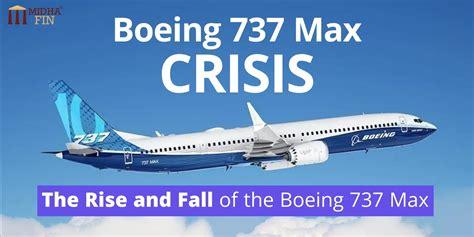
The Boeing 737 MAX was supposed to represent the future of efficient short-haul aviation. Instead, it became the centerpiece of one of the most damaging corporate and regulatory crises in modern aerospace history. What began as Boeing’s answer to the Airbus A320neo quickly spiraled into a worldwide scandal involving hidden software systems, inadequate pilot training disclosures, weakened regulatory oversight, and devastating loss of life.
The consequences extended far beyond a single aircraft program. The crashes of Lion Air Flight 610 and Ethiopian Airlines Flight 302 forced governments, regulators, airlines, manufacturers, and passengers to confront uncomfortable truths about the modern aviation industry. The events exposed how commercial pressure, aggressive production targets, and fragmented oversight could erode even the most safety-conscious sectors.
For decades, commercial aviation built its reputation on relentless procedural discipline. Every crash investigation contributed to stronger systems and safer aircraft. Yet the 737 MAX disasters demonstrated that institutional complacency can emerge even within industries governed by rigorous technical standards.
The fallout fundamentally changed how aircraft are certified, how manufacturers interact with regulators, and how pilots are trained on next-generation systems.
The Boeing 737 MAX Was Built To Defend Boeing’s Market Dominance
The roots of the crisis stretch back to the fierce competition between Boeing and Airbus during the early 2010s. Airbus launched the A320neo with larger, fuel-efficient engines that dramatically reduced operating costs for airlines. The response from airlines was immediate, with carriers rushing to secure orders for the new Airbus family.
Boeing faced enormous pressure to respond quickly. Instead of designing an entirely new narrowbody aircraft, the company chose to modernize the aging 737 platform. This decision created a series of engineering compromises that would later become central to the MAX controversy.
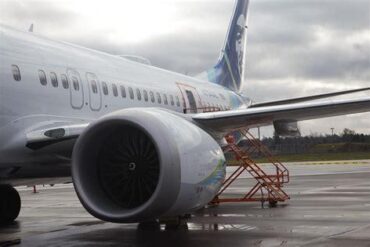
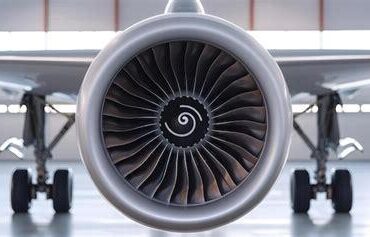
The 737’s original airframe dated back to the 1960s, when aircraft sat much lower to the ground. Integrating larger LEAP-1B engines onto the aircraft required Boeing engineers to reposition the engines farther forward and higher on the wing. While this improved fuel efficiency, it also altered the aircraft’s aerodynamic behavior during steep climbs and high angles of attack.
To compensate for the resulting nose-up tendency, Boeing introduced the Maneuvering Characteristics Augmentation System, widely known as MCAS.
The problem was not merely the existence of MCAS itself. Modern aircraft rely heavily on automated systems. The scandal emerged because critical details surrounding MCAS were minimized, hidden from training documentation, and insufficiently communicated to pilots and regulators.
Boeing marketed the 737 MAX as requiring minimal additional pilot training compared to older 737 variants. That promise became commercially valuable because airlines could avoid costly simulator sessions and retraining programs.
Investigators later concluded that this commercial incentive heavily influenced how MCAS was presented during certification.
Lion Air Flight 610 Exposed A Dangerous Flaw
On October 29, 2018, Lion Air Flight 610 departed Jakarta aboard a nearly new Boeing 737 MAX 8. Just minutes after takeoff, the aircraft began experiencing erratic flight behavior. Faulty sensor data triggered MCAS repeatedly, forcing the nose downward despite the pilots’ attempts to regain control.
The crew fought the aircraft for approximately 12 minutes before it plunged into the Java Sea, killing all 189 people onboard.
Initial reactions within the industry were cautious. Aircraft accidents often involve multiple contributing factors, and Boeing maintained confidence in the aircraft’s safety. However, aviation investigators soon noticed troubling similarities between the Lion Air crash and prior reports from pilots who had experienced unexpected nose-down movements on MAX aircraft.
Questions intensified over why pilots had not been fully informed about MCAS.
Many crews flying the aircraft reportedly did not even know the system existed.
The situation became even more alarming when evidence emerged showing MCAS relied heavily on a single angle-of-attack sensor. If that sensor transmitted incorrect data, the system could repeatedly force the aircraft downward.
The design violated longstanding aviation principles emphasizing redundancy and fault tolerance in critical flight systems.
Ethiopian Airlines Flight 302 Changed Everything
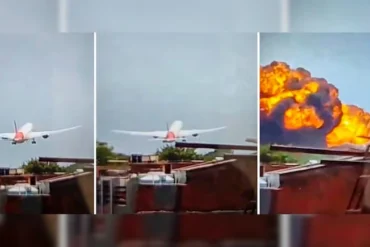
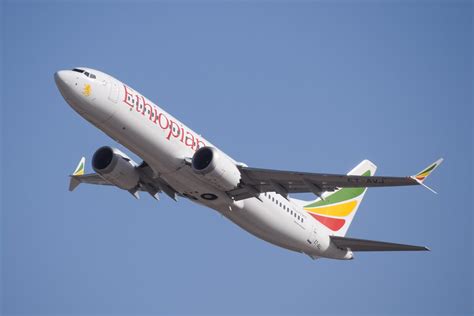
The aviation world reached a breaking point on March 10, 2019, when Ethiopian Airlines Flight 302 crashed shortly after takeoff from Addis Ababa.
The similarities to Lion Air Flight 610 were chilling.
Again, the aircraft experienced abnormal flight-control behavior shortly after departure. Again, pilots struggled against repeated nose-down commands. Again, a Boeing 737 MAX 8 crashed within minutes, killing everyone onboard — 157 passengers and crew.
Global confidence in the aircraft collapsed almost instantly.
Aviation authorities across China, Europe, Canada, and other regions grounded the MAX fleet before the United States acted. The FAA initially resisted grounding the aircraft, a decision that later fueled criticism regarding the regulator’s relationship with Boeing.
Eventually, mounting evidence forced the FAA to suspend MAX operations.
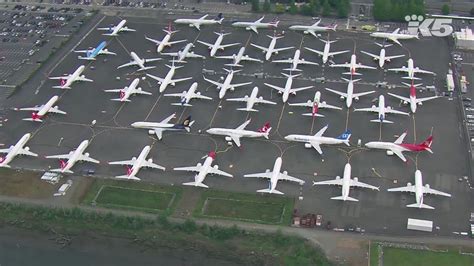
The grounding became one of the most dramatic moments in commercial aviation history. Thousands of flights were canceled, airlines scrambled to revise schedules, and Boeing’s reputation suffered catastrophic damage.
What shocked the public most was not simply the crashes themselves, but the realization that key information about MCAS had been withheld from pilots, airlines, and even portions of the regulatory system.
MCAS Became A Symbol Of Corporate Failure
As investigations deepened, MCAS transformed from a technical feature into a symbol of broader institutional failure.
Internal communications revealed growing concern among Boeing employees about certification pressure, production demands, and internal safety culture. Congressional hearings exposed troubling details about how the FAA delegated portions of aircraft certification back to Boeing through the Organization Designation Authorization program.
This delegation system was originally designed to streamline oversight by allowing qualified manufacturers to perform technical assessments on behalf of regulators. However, critics argued that the arrangement created dangerous conflicts of interest when financial and competitive pressures intensified.
The MAX crisis revealed how fragmented oversight can weaken independent scrutiny.
Investigators also discovered that MCAS possessed far greater authority over aircraft movement than many regulators initially understood. The system could repeatedly activate based on faulty sensor readings, overpowering pilot inputs under certain circumstances.
Even more damaging was the revelation that simulator training discussing MCAS had been omitted from many airline transition programs.
The crisis shattered Boeing’s long-standing reputation as the gold standard of aerospace engineering. For generations, the company symbolized technical excellence and conservative safety philosophy. After the MAX disasters, public trust deteriorated rapidly.
Families of crash victims accused Boeing of prioritizing profits over passenger lives. Regulators faced accusations of being too close to the manufacturers they supervised.
The scandal became a global lesson in how organizational culture can shape safety outcomes.
The 20-Month Grounding Forced Aviation To Reevaluate Safety Oversight
The Boeing 737 MAX remained grounded worldwide for nearly 20 months, an extraordinary period for a modern commercial aircraft program.
During that time, Boeing redesigned MCAS, revised flight-control logic, expanded pilot training requirements, and implemented multiple software safeguards. Regulators conducted extensive reviews before approving the aircraft’s return to service.
The updated system now compares inputs from multiple sensors rather than relying on a single source. MCAS activation authority was also significantly limited to prevent repeated aggressive nose-down commands.
But the grounding period affected more than just software architecture.
It triggered a broader reckoning throughout the aviation industry regarding certification practices, production oversight, and corporate accountability.
Regulators worldwide became less willing to rely solely on FAA certification decisions. Authorities in Europe, Canada, and China conducted independent evaluations before approving the aircraft’s return.
This represented a major shift in global aviation governance. Historically, FAA certification carried enormous international weight. After the MAX crisis, regulators increasingly demanded separate validation processes.
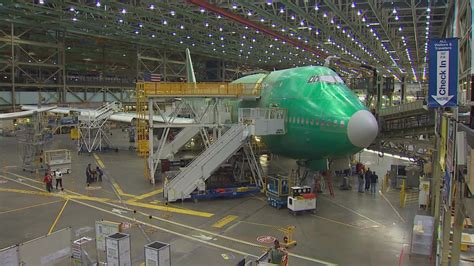
The scandal also intensified scrutiny of Boeing’s manufacturing operations.
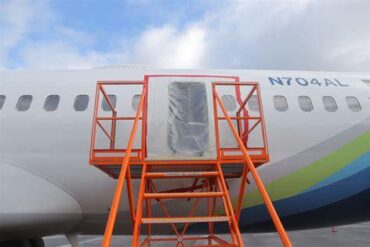
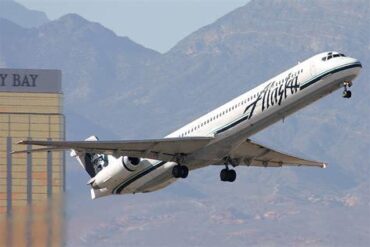
Production quality concerns later emerged involving the 787 Dreamliner and additional 737 MAX assembly procedures. The most alarming post-grounding incident occurred in January 2024, when an Alaska Airlines 737 MAX 9 suffered a mid-flight door plug blowout.
Although no fatalities occurred, investigators discovered that critical retaining bolts had not been properly reinstalled during factory work.
The incident reignited fears about Boeing’s production discipline and internal quality controls.
Production Pressure Became Boeing’s Biggest Internal Threat
One of the most significant revelations following the MAX crisis involved Boeing’s internal production culture.
Investigations suggested that aggressive manufacturing targets and financial priorities increasingly overshadowed traditional engineering caution. Former employees described environments where schedule pressure frequently dominated decision-making.
This represented a profound shift for a company once admired for prioritizing meticulous engineering standards above all else.
Even Boeing executives later acknowledged these shortcomings publicly.
The company admitted that moving aircraft through factories too quickly had undermined quality assurance processes. Such admissions were extraordinary within an industry that historically guarded its reputation carefully.
The FAA responded by increasing oversight presence inside Boeing facilities and limiting production expansion until stricter quality benchmarks were achieved.
While Boeing eventually regained authorization to raise output rates, the relationship between manufacturer and regulator fundamentally changed.
The renewed oversight environment included greater surveillance, tighter inspections, and closer regulatory involvement during key assembly stages.
The Aviation Industry Learned Hard Lessons From The MAX Crisis
Commercial aviation remains statistically the safest form of transportation in the world. Yet the MAX crisis reminded the industry that safety is never permanent. It must be continuously defended against complacency, financial pressure, and organizational blind spots.
The accidents reinforced the importance of the “Swiss Cheese Model” frequently cited in aviation safety analysis. Catastrophic failures rarely result from a single mistake. Instead, multiple weaknesses align simultaneously until safeguards collapse.
In the case of the 737 MAX, those weaknesses included:
- Inadequate system transparency
- Insufficient pilot awareness
- Overreliance on delegated certification
- Flawed sensor dependency
- Commercial pressure to minimize retraining
- Production-driven corporate culture
Each issue alone may not have caused disaster. Together, they created fatal vulnerability.
The broader industry responded by strengthening safety reporting mechanisms, reevaluating automation philosophy, and expanding scrutiny of aircraft certification programs.
Pilot training standards also evolved significantly. Airlines and regulators now place greater emphasis on understanding automated systems rather than treating them as invisible background protections.
Automation remains essential in modern aviation, but the MAX crisis demonstrated that pilots must fully understand how those systems behave under abnormal conditions.
Boeing’s Recovery Remains Closely Watched
Despite immense reputational damage, Boeing gradually stabilized operations and resumed aircraft deliveries. The manufacturer continues working toward certification of the 737 MAX 7, MAX 10, and the delayed 777X program.
Commercial demand for aircraft remains extremely strong worldwide, particularly as airlines expand fleets and replace older jets.
Interestingly, Boeing’s 787 Dreamliner became one of the best-selling widebody aircraft during the recovery period, signaling that many airlines still retain confidence in the manufacturer’s long-term capabilities.
However, Boeing now operates under far more intense public and regulatory scrutiny than at any point in recent decades.
Every manufacturing defect, delivery delay, or in-flight incident attracts immediate global attention.
That reality may ultimately become one of the MAX crisis’s most enduring legacies. The aviation industry learned that trust cannot be assumed simply because a manufacturer possesses historic prestige or technical dominance.
Trust must be continuously earned through transparency, accountability, engineering discipline, and uncompromising safety culture.
The Boeing 737 MAX disasters permanently changed aviation because they exposed vulnerabilities extending far beyond one aircraft model. They revealed how modern aerospace systems can fail when commercial urgency outpaces institutional caution.
In the years ahead, regulators and manufacturers alike will continue operating under the shadow of those lessons — lessons written at tremendous human cost.