Aviation safety remains one of the most paramount concerns for millions of travelers worldwide. Despite recent aviation incidents raising understandable questions about the reliability of air travel, statistical evidence continues to support the fact that commercial aviation is one of the safest modes of transportation. The reality is that, when it comes to safety, aviation has come a long way thanks to technological advancements, pilot training programs, and strict regulatory oversight. However, understanding the airlines with the most plane crashes and the global trends in aviation accidents can provide travelers with important insights. By examining historical crash data, we can better appreciate the significant strides the aviation industry has made and how it continues to prioritize passenger safety while improving flight safety protocols. In this article, we will explore the state of aviation accidents in 2025, analyze current accident trends, and discuss which airlines have experienced the most incidents. We’ll also break down the critical factors influencing aviation safety, such as pilot error, technological advancements, and regulatory oversight.
State of Aviation Safety in 2025: Global Trends and Challenges
As of April 2025, the National Transportation Safety Board (NTSB) recorded 153 aircraft accidents in the United States, with 23 fatalities. This reflects a continuing trend in aviation safety, though each incident serves as a reminder of the challenges still faced by the industry. Among the most significant events of 2025 was the January 29 mid-air collision near Washington, D.C., which tragically took the lives of 67 people. The crash involved an American Eagle (MQ) regional jet operating under the American Airlines (AA) brand. This devastating accident raised serious questions about air traffic control, pilot training, and safety management systems.

2024 vs. 2025: A Comparison of Aviation Safety Data
Looking back at 2024, we saw that the United States recorded around 1,417 aircraft accidents, including 258 fatal events. These figures span across all types of aviation, from commercial airliners to private aircraft and military planes. On the global scale, 2024 saw 7 fatal crashes out of the 40.6 million commercial flights operated worldwide, resulting in 244 fatalities. Though these statistics may seem alarming, they underscore the fact that commercial aviation remains extraordinarily safe. Experts calculate that the chances of a fatal accident are extremely rare—an individual would need to fly daily for over 15,000 years to statistically encounter a fatal crash.
Types of Aviation Accidents: The Majority Involve Non-Commercial Aircraft
While high-profile incidents like the American Eagle (MQ) crash capture attention, it’s important to recognize the distinction between commercial airliner accidents and those involving smaller, personal aircraft. In fact, 80% of all aircraft accidents and 72% of fatal incidents involve single-engine personal planes rather than commercial airliners. This distinction helps put the crash statistics into perspective. 2025 data shows approximately 122 crashes in the United States, with 19 fatal incidents, leading to over 100 deaths. While these numbers seem concerning, they must be interpreted within the context of millions of commercial flights that take place annually.
Airlines with the Most Plane Crashes: A Historical Perspective
Looking at historical data on airlines with the most crashes, American Airlines (AA) and Air France (AF) top the list with 11 crashes each. However, it’s important to note that two of American Airlines’ crashes were terrorist attacks during the September 11, 2001 tragedy, which were unrelated to operational safety failures. Following these airlines, China Airlines (CI) and Korean Air (KE) each recorded 9 crashes, and Pakistan International Airlines (PK) experienced 8 incidents. Other major carriers like United Airlines (UA), despite its size, recorded 7 crashes, with two of those also occurring on September 11th.
Regional Carriers and Subsidiaries Contributing to Crash Statistics
While large international airlines dominate the crash data, regional carriers and their subsidiaries often contribute significantly to these statistics. For example, American Eagle (MQ), the regional arm of American Airlines, has experienced 5 crashes, bringing the total number of incidents when combined with its parent company to 16. Similarly, Continental Airlines (CO), which merged with United Airlines in 2012, had 5 crashes, contributing to a combined total of 12 incidents. Other airlines with notable accident records include EgyptAir (MS), Ethiopian Airlines (ET), and Thai Airways (TG), each with 6 crashes. Meanwhile, European carrier Lufthansa (LH) recorded 5 incidents.
How Major Airlines Maintain Safety: The Role of Training and Technology
Despite some historical incidents, the largest U.S. carriers — Delta Air Lines (DL), United Airlines (UA), and American Airlines (AA) — continue to lead the way in safety management. These carriers invest significantly in advanced pilot training, aircraft maintenance protocols, and safety technologies to ensure the safety of their passengers. For example, Delta Air Lines has long maintained one of the best safety records among major carriers, focusing on crew resource management training and aircraft modernization programs. Similarly, United Airlines has worked tirelessly to enhance pilot training standards, especially in response to previous safety concerns. This includes adopting flight data monitoring systems and promoting a safety-first culture within the organization. Though American Airlines faced a significant incident in 2025 with American Eagle, the airline continues to operate with an industry-leading safety approach, ensuring it maintains strict adherence to safety protocols.
International Aviation Safety Trends
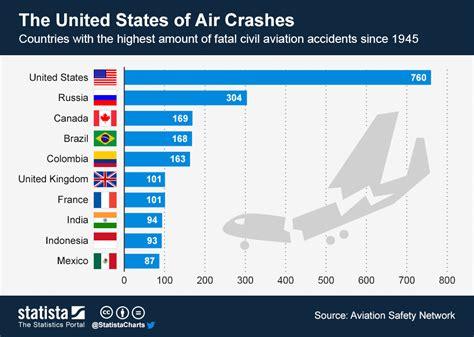
From a global perspective, safety records vary by region. Brazil’s aviation accident in August 2024, which killed 62 people, highlighted ongoing challenges in maintaining consistent safety standards across different countries and regulatory environments. While European carriers generally maintain excellent safety records thanks to EASA (European Union Aviation Safety Agency) oversight, Asian carriers have made remarkable strides in improving safety in recent decades. In some emerging markets, particularly in Africa and Asia, safety standards may vary due to challenges such as infrastructure development, regulatory capacity, and training resources. These regions often face difficulties in implementing strict safety regulations and ensuring adherence to international standards.
Pilot Error: A Leading Cause of Aviation Accidents
Despite advancements in aircraft technology, pilot error remains a significant contributor to aviation accidents. However, modern safety systems and pilot training programs have significantly reduced the impact of human error. One of the key elements in modern pilot education is crew resource management training, which focuses on communication, situational awareness, and collaborative decision-making. By recognizing human limitations and incorporating technological support into flight operations, airlines have dramatically reduced accidents caused by pilot error. This systems-based approach to aviation safety has been a game-changer, greatly improving flight safety across the board.
Technological Advancements in Aviation Safety
Over the past few decades, aircraft technology has improved significantly, resulting in safer and more reliable flights. Advanced flight management systems, terrain awareness systems, and traffic collision avoidance systems are just a few examples of technologies that have greatly reduced traditional causes of accidents. These systems not only enhance pilot situational awareness but also improve aircraft handling in critical situations. Moreover, satellite-based navigation and communication systems promise to further improve safety by enabling more precise aircraft tracking and communication capabilities, especially in remote areas. As aviation technology continues to evolve, we can expect these systems to play an even greater role in maintaining safety standards.
Regulatory Oversight: A Key to Ensuring Safety
Regulatory bodies, such as the FAA (Federal Aviation Administration) and international organizations, remain critical to maintaining global aviation safety standards. These agencies perform regular inspections, enforce safety regulations, and implement new measures based on emerging safety concerns. Airlines must comply with these regulations, ensuring that their pilot training programs, aircraft maintenance schedules, and operational procedures meet the highest standards. The role of regulatory oversight provides the foundation for aviation safety, offering an essential layer of protection for travelers worldwide.
Public Perception vs. Safety Reality
Despite the statistical evidence showing that commercial aviation remains one of the safest forms of travel, recent high-profile accidents often lead to heightened public concerns. Airlines and aviation authorities face the ongoing challenge of maintaining public trust while addressing these concerns. The aviation industry’s commitment to transparency, continuous safety improvements, and rigorous investigation processes helps build public confidence. When accidents occur, detailed investigations and the subsequent implementation of corrective actions ensure that lessons are learned, and the industry continues to improve.
Conclusion: The State of Aviation Safety in 2025
While recent aviation incidents have understandably raised concerns, it is crucial to remember that commercial aviation remains one of the safest forms of transportation. With continuous advancements in technology, pilot training, and regulatory oversight, airlines like Delta, United, and American Airlines continue to lead the way in flight safety. As the aviation industry maintains its focus on safety, passengers can feel confident that air travel remains statistically safer than many other forms of transportation, including automobile travel.