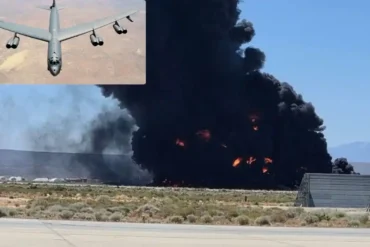
A tragic medical aviation accident in the rugged mountains of southern New Mexico has left four people dead after a medical transport aircraft crashed during an early morning flight and sparked a wildfire near Ruidoso. Authorities confirmed that the aircraft, identified as a Beechcraft King Air 90 operated by Trans Aero MedEvac, went down in the Capitan Mountains shortly after departing from Roswell International Air Center.
The fatal crash occurred around 4:00 AM local time on May 14, 2026, while the aircraft was en route to Sierra Blanca Regional Airport. Emergency responders later located the wreckage in steep mountainous terrain in Lincoln County, where the impact ignited a brush fire that rapidly spread across approximately five acres.
Investigators from the National Transportation Safety Board (NTSB) and the Federal Aviation Administration (FAA) have launched a full investigation into the circumstances surrounding the deadly incident. Officials have not yet determined what caused the aircraft to crash, and the identities of the four victims have not been publicly released.
The aircraft was not carrying any patients at the time of the accident, according to state authorities and the medical transport company.

Early Morning Medevac Flight Ends In Disaster Near Ruidoso
The doomed flight departed Roswell during the dark pre-dawn hours, a time when medical transport crews frequently conduct urgent repositioning missions between regional airports. The Beechcraft King Air 90, a twin-engine turboprop widely used in air ambulance operations across the United States, was traveling toward Sierra Blanca Regional Airport when communication with the aircraft was lost.
Search and rescue teams from the State of New Mexico immediately launched a coordinated operation after the aircraft failed to arrive at its destination. The remote location of the crash complicated response efforts significantly, as emergency personnel were forced to navigate difficult mountain terrain and dense forest areas to reach the wreckage.
Officials confirmed that all four individuals onboard perished in the impact.
County Manager Jason Burns issued a public statement expressing condolences to the victims’ families and colleagues, describing the incident as a devastating tragedy for the region’s emergency response and medical aviation community.
The crash site remains under heavy security as investigators continue collecting evidence, examining debris patterns, and documenting environmental conditions that may have contributed to the accident.
Wildfire Ignited By Aircraft Impact Spreads Across Mountain Terrain
The danger extended beyond the crash itself when the aircraft’s impact triggered a wildfire in the heavily wooded Capitan Mountain region. Authorities stated that dry vegetation and rugged terrain allowed flames to spread quickly across several acres shortly after the crash occurred.
Federal wildfire crews and local firefighters were dispatched immediately to contain the blaze before it could threaten nearby communities or expand deeper into forest land. The US Forest Service confirmed that suppression teams remained on scene throughout the day working alongside local agencies and emergency management personnel.
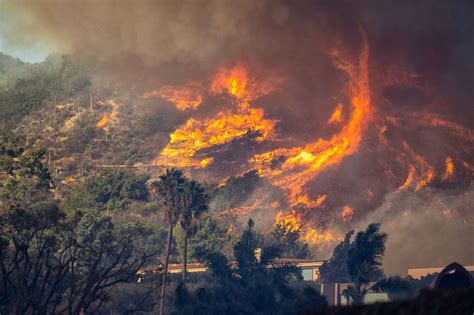
The combination of aviation debris, burning fuel, steep slopes, and isolated access routes created a hazardous environment for first responders. Multiple agencies participated in the operation, including New Mexico State Police, Lincoln County emergency services, Ruidoso responders, and the Department of Homeland Security and Emergency Management.
Weather and terrain conditions in mountainous parts of New Mexico often present major operational challenges for aviation crews, particularly during nighttime operations. Reduced visibility, changing wind patterns, and elevated terrain can complicate navigation even for experienced pilots operating medically equipped aircraft.
While investigators have not confirmed whether weather played any role in the crash, aviation experts note that early morning mountain flights can carry heightened risks due to darkness and rapidly changing atmospheric conditions.
Trans Aero MedEvac Confirms Loss Of Crew Members
Albuquerque-based Trans Aero MedEvac later released an emotional statement confirming that the aircraft belonged to its fleet and that four team members had died in the accident.
The company specializes in advanced medical transport operations throughout New Mexico and neighboring states, using both helicopters and fixed-wing aircraft to move critically ill or injured patients between healthcare facilities. These flights are often conducted under urgent timelines and demanding operational circumstances.
Company representatives stated that they are cooperating fully with federal investigators as authorities work to determine the exact cause of the crash.

Medical aviation crews routinely operate under intense pressure, transporting patients requiring immediate specialized care, trauma treatment, or life-support monitoring. Although no patients were onboard during this flight, the loss has deeply impacted the air ambulance sector, where close-knit crews often work in highly demanding emergency conditions.
The King Air series has long been considered one of the most dependable aircraft platforms for medevac operations because of its speed, range, and ability to access smaller regional airports. However, like all aircraft operating in challenging environments, it remains vulnerable to mechanical failures, terrain hazards, and operational complications.
Why Medical Evacuation Flights Play A Critical Role
Medical evacuation flights, commonly known as Medevac flights, serve as a crucial link in emergency healthcare systems across rural and remote areas. In regions like New Mexico, where mountainous terrain and long driving distances can separate patients from advanced medical facilities, air ambulances often provide lifesaving transportation.
Unlike commercial aircraft, medevac planes are specially configured to function as airborne intensive care units. They may carry ventilators, cardiac monitors, oxygen systems, trauma equipment, and specialized medication while being staffed by nurses, paramedics, respiratory therapists, and physicians.
These aircraft frequently operate at unconventional hours and under urgent circumstances, particularly when hospitals require rapid patient transfers for surgery, trauma care, or specialized treatment unavailable locally.
The fatal New Mexico crash has once again highlighted both the importance and inherent risks associated with emergency medical aviation. As federal investigators continue examining flight data, maintenance records, pilot history, and environmental conditions, the aviation community is awaiting answers that may help prevent similar tragedies in the future.
For now, the mountainous crash site near Ruidoso stands as a stark reminder of the dangers faced by emergency aviation crews who operate behind the scenes to support critical healthcare missions every day.