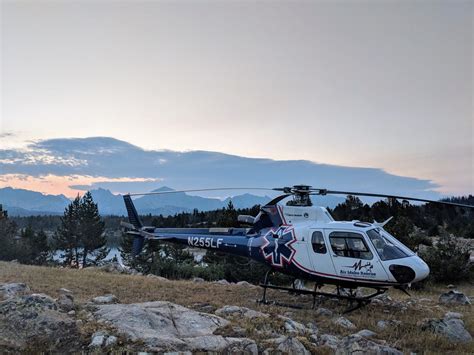
Air Methods Corporation stands as one of the most pivotal and specialized air medical transport operators in the United States. Founded in 1980 by Roy Morgan, the company was born from a personal experience that underscored the critical need for rapid-response, medically equipped aircraft. Headquartered in Greenwood Village, Colorado, Air Methods has grown into a formidable presence, serving over 100,000 patients annually across 48 states with a fleet of more than 450 helicopters and fixed-wing aircraft.
By 2009, the corporation had already achieved revenues of $511 million, signaling both operational success and industry demand. With a team of over 5,000 professionals, the company has not only scaled geographically but evolved technologically and structurally to maintain its leadership in air emergency medical services.
A Legacy Built on Urgency and Innovation
The roots of Air Methods are grounded in a powerful realization—that time and equipment make the difference between life and death. This urgency drove Roy Morgan to launch an operation that would set the standard for aeromedical care delivery in the U.S. Since that modest beginning, the company has gone through multiple acquisitions and partnerships that have expanded both its capacity and capabilities.
In 2007, the acquisition of CJ Systems Aviation Group brought in significant infrastructure and expertise. Four years later, Air Methods expanded its fleet and geographic reach by purchasing Omniflight Helicopters, adding over 100 helicopters. That same year, the formation of Helistar, AS in Ankara, Turkey, signaled international ambition, blending American air medical experience with global potential.
By 2012, Air Methods had invested in a state-of-the-art 14,000-square-foot training center in Aurora, Colorado. This facility introduced simulation environments and classroom learning zones, establishing a new benchmark in crew training and preparedness.
Strategic Diversification into Aerial Tourism
In a move that surprised many in the industry, Air Methods expanded into the aerial tourism sector, creating an entirely new revenue stream while leveraging its aviation expertise. The acquisition of Sundance Helicopters in Las Vegas marked its first foray into tourism. This division was strengthened further in 2013 with the integration of Blue Hawaiian Helicopters, bringing scenic flights over the Hawaiian Islands under Air Methods’ portfolio.
This diversification not only showcased operational flexibility but also highlighted the company’s mastery of helicopter-based services beyond emergency response.

Financial Challenges and Resilience: Bankruptcy and Recovery
Despite its scale and impact, Air Methods faced mounting financial pressure by 2023. On October 24, 2023, the company filed for Chapter 11 bankruptcy, citing rising interest rates and labor costs. However, this move was not an indication of failure but a calculated step toward financial restructuring.
Just two months later, on December 28, 2023, Air Methods successfully emerged from bankruptcy, having shed nearly $1.7 billion in debt. With a fresh $185 million investment from lenders, the company positioned itself to resume full operations with a renewed focus on sustainability and innovation.
Distinct Service Models for Critical Care Transport
Air Methods operates under three distinct service models, each meticulously designed to match the varying needs of hospitals, communities, and critical care situations:
- Community-Based Service (CBS): Aircraft are based in local communities, independently staffed and operated by Air Methods. Medical crews are company employees.
- Hospital-Based Service (HBS): Aircraft are supplied and operated by Air Methods, but the medical staff are hospital employees.
- Alternative Delivery Model (ADM): A hybrid structure that allows for flexibility in partnerships and cost distribution.
Each model ensures rapid and specialized medical transport from accident scenes or regional hospitals to tertiary or trauma centers, maintaining a focus on in-flight critical care administered by trained professionals.
Headquarters and Infrastructure
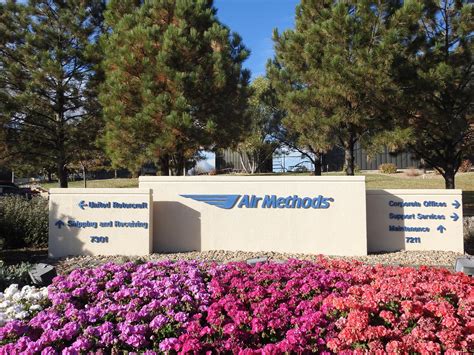
The company’s corporate headquarters moved in May 2017 to a 62,124-square-foot facility in the Denver Technological Center, a relocation that followed its acquisition by private equity firm American Securities LLC. The move from the Centennial Airport property not only reflected its growing corporate footprint but also improved proximity to key training and logistics hubs.
Subsidiaries and Operational Divisions
Air Methods’ influence extends through several subsidiaries and specialized divisions, each contributing uniquely to the company’s broader mission.
United Rotorcraft
This aerospace division specializes in aeromedical interior design and installation. The unit produces highly customized medical interiors, from stretchers and ventilator mounts to full life-support system integrations, tailored for a wide range of aircraft.
Tourism Division
Through Sundance Helicopters and Blue Hawaiian, the tourism wing offers luxury scenic tours and private charter flights in regions like the Grand Canyon and Hawaiian Islands, utilizing some of the industry’s safest and most comfortable helicopters.
Direct Patient Logistics (DPL)
DPL serves as the coordination nerve center, managing patient transfers between hospitals and overseeing the logistics of flights to ensure optimal efficiency and care continuity.
AirCom
AirCom is the central dispatch and flight tracking unit, coordinating not only Air Methods’ own aircraft but also providing dispatch services for police departments, county services, and hospitals. It processes thousands of flight calls annually with high operational precision.
Transport Call Center
In partnership with Community Health Systems and Quorum Health Systems, the company established a call center model that simplifies hospital-initiated patient transfers. The first such call came from Big Bend Hospital in Alpine, Texas, on November 12, 2011.
Diverse, Specialized Aircraft Fleet
Air Methods’ aircraft inventory is among the most comprehensive in the air medical industry, encompassing both rotor-wing and fixed-wing models to ensure optimal range, speed, and terrain accessibility.
Helicopter Fleet Includes:
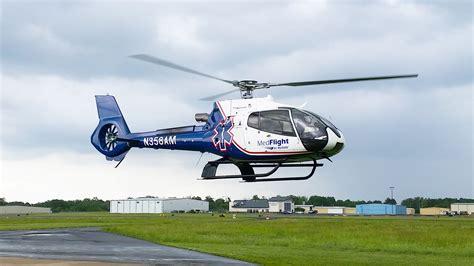
- Eurocopter AS350, AS365, EC130, EC135, EC145 (incl. BK 117)
- Bell models: 206, 407, 222, 430, 412, 429
- AgustaWestland AW109, AW119 Koala
- MD Helicopters MD 902
Fixed-Wing Aircraft:
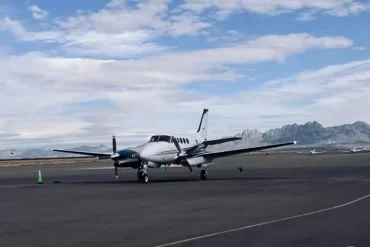
- Beechcraft King Air 100, Super King Air 200
- Pilatus PC-12
- Cessna 208 Caravan
- Learjet 35
This fleet diversity allows Air Methods to deploy the right aircraft for the right mission—whether that means urban emergency response, long-distance hospital transfers, or rugged rural pickups.
Safety Incidents and Industry Lessons
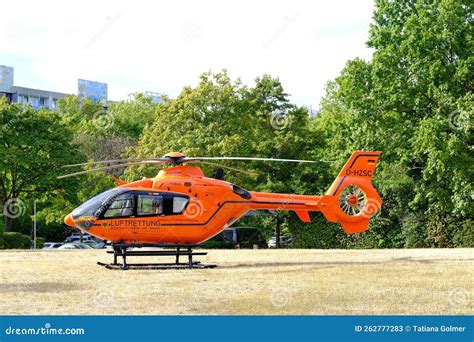
Operating in a high-risk, time-sensitive industry, Air Methods has experienced a number of tragic accidents that have shaped its ongoing safety protocols and training.
In January 2005, two separate crashes—one in Washington, D.C. and another in Mississippi—claimed the lives of three individuals. A devastating mid-air collision in June 2008 in Arizona took seven lives. In August 2011, a LifeNet AS350 crash near Liberty, Missouri, resulted in four deaths due to fuel exhaustion—a somber reminder of the consequences of logistical oversights.
One of the most notable incidents occurred in 2013, when the NTSB identified texting as a contributing factor in a fatal crash, marking the first time such a cause was officially recognized in aviation history.
Additional fatalities occurred in 2015 in Frisco, Colorado, and again in 2018 near Hazelhurst, Wisconsin, reinforcing the ongoing importance of rigorous training, fleet maintenance, and procedural compliance.
Conclusion: A Lifeline Above the Clouds
Air Methods Corporation continues to redefine the future of air medical transportation, balancing decades of operational wisdom with adaptive strategies in technology, tourism, and healthcare coordination. From its roots in personal urgency to its emergence from financial adversity, the company exemplifies resilience, expertise, and a relentless commitment to saving lives.
As America’s air ambulance leader, Air Methods remains the silent lifeline circling overhead—ready, equipped, and unwavering in the mission to bring critical care to those who need it most, when time is of the essence.