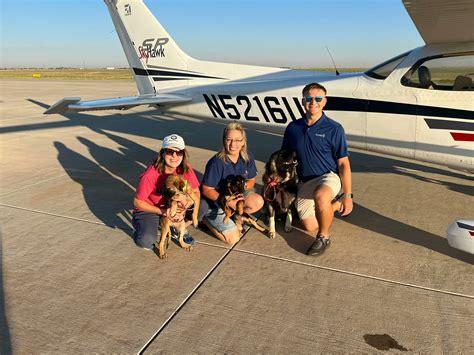
Pilots N Paws (PnP) has grown into one of the most recognized names in the world of animal rescue transportation. Operating as a nonprofit platform connecting pilots and rescue groups, it highlights the generosity and commitment of general aviation enthusiasts who volunteer their time, aircraft, and resources to relocate animals to new homes. However, as the mission evolves, so do the discussions around adoption fees, pilot costs, charity transparency, and the true cost of volunteering.
The Passion and Sacrifice Behind Pilots N Paws Missions
Veteran volunteers exemplify the dedication it takes to participate in PnP missions. One pilot, active since 2009, reported flying approximately 100 animals in 2019 alone. Their typical journey involved a 400 NM solo flight each way, totaling 800 NM round-trip and about 5.5 hours of flight time. The personal cost? Around $400 in fuel using their own plane — a figure that could soar to $1,200 if renting an aircraft.
This pilot’s initial motivation came from a personal situation — a daughter’s severe dog allergy — leading to a unique opportunity: enjoying temporary fostering during transports without committing to permanent ownership. Yet, the stark financial commitment underscores an essential reality for many PnP pilots: love for animals often demands significant personal investment.
Adoption Fees: Practical Necessity or Profit Concern?
Concerns have emerged surrounding adoption fees, particularly when pilots witness organizations requesting mandatory donations of $500 per dog. In a case involving the transport of eight puppies, the adopting organization collected $4,000 in total, raising questions about whether pilots are unintentionally subsidizing for-profit operations.
Experienced rescuers, however, defend such fees. It is widely accepted that adoption fees ranging between $300 and $500 are necessary to offset considerable expenses such as:
- Veterinary care, including spay/neuter procedures, vaccinations, and health checks
- Temporary fostering costs, covering food, bedding, and routine care
- Specialized medical treatments, especially for older or special-needs animals
Breed-specific rescues, in particular, may justifiably set higher fees to cover these additional costs. Nevertheless, pilots are urged to investigate whether a rescue group operates transparently as a nonprofit or if their practices border on commercial adoption services.
The Complicated Question of Tax Deductions
A frequent point of confusion involves tax deductions for volunteer pilots. While donations to recognized 501(c)(3) organizations can generally be itemized for tax purposes, there are key nuances. If adopters receive a good or service of equivalent market value — in this case, a pet — the tax deduction eligibility diminishes unless the donation exceeds the fair value of the dog.
Moreover, given that many taxpayers opt for the standard deduction rather than itemizing, the opportunity for practical tax savings often evaporates. Consequently, many pilots shoulder these expenses purely out of goodwill, without any expectation of financial reimbursement or tax relief.
High Adoption Fees: A Strategic Barrier Against Abuse
Critics sometimes view elevated adoption fees as a profit motive; however, many in the rescue community argue that high fees serve a protective purpose. Keeping fees between $300 and $500 is often a deliberate strategy to:
- Deter dogfighters or individuals seeking free or cheap animals for exploitative purposes
- Fund critical, expensive veterinary treatments such as emergency surgeries or long-term hospice care
The philosophy is simple: individuals unwilling or unable to pay a moderate adoption fee may also be ill-equipped to provide long-term, responsible pet ownership.

Charity Transparency: Trust, But Verify
Volunteering pilots are advised to independently vet rescues before committing their time and resources. Despite an organization’s 501(c)(3) status, transparency levels vary widely. Smaller charities, especially those with annual receipts under $50,000, file streamlined “990N” tax forms and may not publicly disclose detailed financials.
Important considerations for pilots include:
- Reviewing the charity’s IRS filing history through the Tax-Exempt Organization Search
- Assessing whether the organization publishes annual reports detailing program expenses and staff salaries
- Analyzing public feedback and rescue histories to identify any red flags
A recurring concern in pilot forums is the imbalance between volunteer sacrifices and paid rescue staff salaries. If pilots begin to feel like unpaid couriers for organizations where administrative expenses outweigh mission-focused spending, withdrawal from participation becomes an understandable decision.
Volunteer Cost Imbalance: A Growing Tension
The core of the Pilots N Paws model relies on pilot generosity, but increasing scrutiny surrounds whether this model fairly balances responsibilities. Pilots are expected to:
- Cover all flight-related expenses (fuel, maintenance, aircraft wear-and-tear)
- Coordinate pick-ups and drop-offs, often facing weather and scheduling risks
- Occasionally absorb unexpected costs such as overnight stays due to delays
Meanwhile, some rescue organizations may fund their operations through adoption fees without proportionally supporting volunteer transport efforts. This reality has prompted some pilots to reconsider their participation if they feel exploited rather than partnered with.
Alternative Transport Solutions: Expanding Rescue Logistics
Not every rescue mission demands air transport. In certain cases, ground transport vans or car caravans offer viable alternatives, especially for:
- Shorter distances where air travel logistics become unnecessarily complex
- Animals vulnerable to illnesses like Parvovirus, where fewer handling transfers reduce exposure risk
That said, longer transports over several hundred miles often necessitate aircraft to avoid prolonged, stressful journeys for fragile animals. Logistical challenges — such as coordinating multiple drivers over several states — limit the practicality of ground methods for large-scale or urgent rescues.
Some pilots recommend blending rescue missions with medical-mission flights or partnering with local shelters to maximize impact. These alternatives allow pilots to focus on direct, high-need flights that may not otherwise be feasible by land.
Consensus and Key Takeaways for Pilots and Volunteers
In analyzing the broader landscape of Pilots N Paws operations, several critical conclusions emerge:
- A $500 adoption fee, while on the higher end, remains consistent with standard animal rescue practices aimed at ensuring animal welfare and organizational sustainability.
- The role of pilots is primarily facilitative, offering a bridge between rescue organizations and adopters without necessarily engaging in operational vetting.
- Pilots must make individual decisions based on personal thresholds for transparency, financial contribution, and mission alignment.
- 501(c)(3) status alone does not guarantee ethical practices; pilots are encouraged to conduct thorough due diligence, reviewing IRS records and evaluating organizational reputation before volunteering.
The selfless efforts of PnP pilots continue to make an incalculable difference in the lives of thousands of animals every year. Yet, ensuring that the spirit of charity remains intact requires ongoing vigilance, transparency, and thoughtful participation at every level of the rescue chain.