Airport security officers play a critical role in safeguarding international and domestic air travel, acting as the first line of defense against threats to passengers, personnel, and airport infrastructure. Operating at the intersection of aviation security, law enforcement, and customer interaction, these professionals must meet rigorous qualifications and possess a blend of physical readiness, technical knowledge, and interpersonal skills. In this article, we explore in detail the qualifications, responsibilities, and career pathways for airport security officers in today’s evolving air travel landscape.
What Defines an Airport Security Officer?
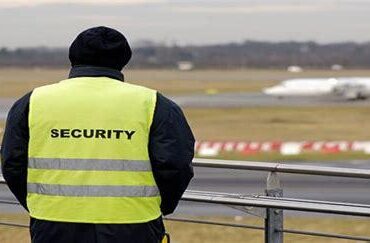
An airport security officer, often referred to as an aviation security specialist, is entrusted with protecting the integrity of airport operations. They work in tandem with government agencies, local law enforcement, and airport authorities to identify and neutralize threats ranging from unauthorized access and smuggling attempts to terrorist activity. These professionals are stationed throughout key airport zones—checkpoints, runways, cargo bays, entry gates, and surveillance rooms—where they employ a mix of advanced screening technologies and manual protocols to ensure safety compliance.
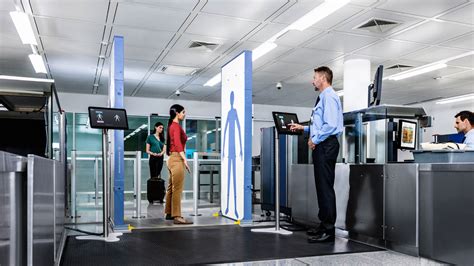
Their role is not limited to passenger screening. Officers also oversee vehicle inspections, cargo clearance, and respond swiftly to emergencies including evacuations, fire hazards, and security breaches. The position demands high situational awareness, exceptional decision-making, and a well-rounded understanding of aviation security legislation and operational protocol.
Educational Pathways for Aspiring Officers
The foundational educational requirement for airport security roles is typically a high school diploma or equivalent. However, the competitive nature of the aviation sector has led many employers to prefer or require additional credentials in relevant areas such as:
-
Criminal justice
-
Homeland security
-
Law enforcement administration
-
Security and risk management
Vocational training institutes and community colleges often offer diploma programs and certifications tailored specifically for transportation or airport security. For administrative or supervisory positions, candidates are usually expected to have postgraduate qualifications in public safety, criminology, or aviation management.
On-the-job learning also plays a significant role. Entry-level employees may substitute higher education requirements with prior work experience in private security, military service, or emergency response teams.
Training and Onboarding Procedures
Upon recruitment, airport security staff undergo intensive designation-specific training, which is often conducted over a probationary period lasting from several weeks to a few months. This training includes:
-
Operational orientation: Understanding airport layout, safety systems, and communication protocols
-
Technology training: Using X-ray machines, biometric scanners, and explosives trace detection equipment
-
Behavioral detection: Spotting suspicious patterns through body language and passenger behavior
-
Conflict de-escalation: Managing disputes and potentially aggressive encounters
This phase blends classroom instruction with hands-on, real-time learning across live airport zones. Officers are taught how to identify controlled items, interpret screening results, and respond to dynamic threats under stress.
Licenses and Certifications
While most roles don’t mandate national-level certifications, certain jurisdictions and airlines may enforce specific licensing standards. Common certifications include:
-
Transportation Worker Identification Credential (TWIC)
-
Certified Protection Officer (CPO)
-
National Safety Council’s Emergency Response Certification
These credentials can enhance employability and serve as prerequisites for specialized or leadership assignments. Regardless of certification, all candidates are subject to:
-
Background checks
-
Drug and alcohol screenings
-
Security clearance investigations
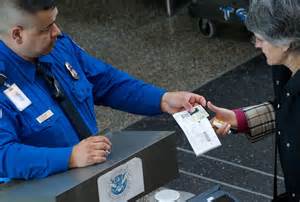
In certain countries, airport security personnel must also pass polygraph tests and physical endurance exams before being fully licensed to operate.
Core Competencies for Success
A successful airport security officer is more than just vigilant—they are multifaceted professionals equipped with a distinct skill set tailored for high-stakes, high-traffic environments. Key competencies include:
Effective Communication
Clear and concise communication is central to every task. Officers must interact with passengers, ground staff, customs officials, and airline crews, often under pressure. The ability to convey instructions, write reports, and relay information through security channels ensures smooth operations and fosters trust.
Attention to Detail
Given the high volume of travelers, the ability to identify anomalies is crucial. Officers examine IDs, luggage contents, boarding passes, and behavior with precision. A missed detail can compromise the entire security infrastructure. Vigilance in detail-oriented environments is what separates exceptional officers from the rest.
Physical Endurance and Fitness
The demands of the job are physically taxing. Officers may need to stand for hours, respond quickly across large distances, or physically restrain individuals if required. Therefore, maintaining peak physical condition and stamina is essential, particularly for roles involving tactical response or perimeter patrol.
Stress Management and Composure
Airport operations never pause. Officers must remain calm during flight delays, emotional passengers, medical emergencies, or potential threat incidents. Their ability to remain rational under pressure, while executing their duties accurately, is a fundamental requirement.
Operational Responsibilities in Aviation Security
The scope of duties for an airport security officer is broad and multifaceted. Officers are tasked with responsibilities that affect not only the immediate safety of travelers but also the international reputation of the airport and airline. Common operational responsibilities include:
-
Conducting internal and perimeter patrols to detect unauthorized access
-
Examining baggage and personal items using scanners and manual inspection
-
Monitoring live camera feeds for irregular movement or activities
-
Collaborating with federal agencies, such as customs, border control, or anti-terror units
-
Assisting in evacuations during bomb threats, suspicious packages, or natural disasters
-
Responding to on-site medical emergencies alongside paramedics
-
Handling canine units and surveillance drones (where applicable)
-
Investigating security breaches and compiling incident reports
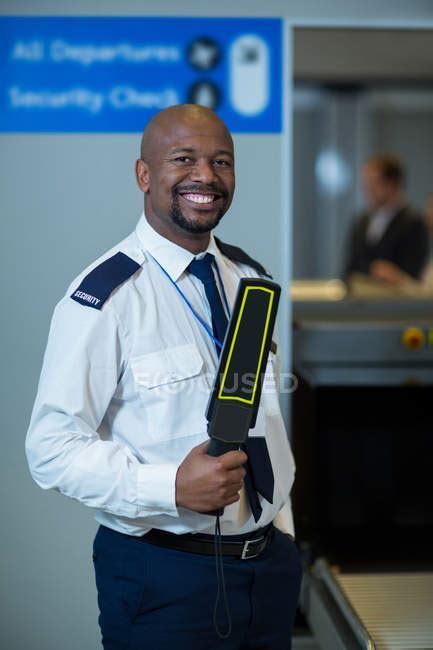
These responsibilities demand not only procedural knowledge but also the emotional intelligence to adapt in real time.
Career Progression and Specializations
Airport security offers multiple career pathways beyond general screening. With experience and advanced training, professionals can transition into:
-
Aviation Security Management
-
Intelligence Analysis
-
Counterterrorism Liaison
-
Airport Risk Assessment
-
K-9 Handling Units
-
International Security Compliance Officers
Career growth often includes promotions to Senior Security Officer, Shift Supervisor, Security Operations Manager, or Compliance Director. The global rise in air travel and heightened border security policies have expanded demand for airport security professionals across both commercial and cargo-focused airports.
Emerging Trends in Airport Security
The profession continues to evolve in response to technological innovation and shifting threat landscapes. Officers must now stay abreast of trends such as:
-
Biometric verification systems
-
AI-powered threat detection software
-
Cybersecurity integration in passenger systems
-
Automated screening lanes
-
Behavioral prediction models using machine learning
Airports across the globe are investing in smart surveillance ecosystems, requiring officers to be not only physically present but digitally literate as well.
Frequently Asked Questions
What qualifications do I need to become an airport security officer?
You generally need a high school diploma and must pass background checks. Additional education in criminal justice, law enforcement, or security management can enhance your application. Training is typically provided after hiring.
Is prior experience required for entry-level positions?
While not mandatory, prior experience in security, military, or law enforcement significantly improves your chances. Many roles offer on-the-job training for candidates without experience.
What are the physical requirements for airport security officers?
You should be able to stand for long hours, move quickly, lift heavy items, and handle high-pressure situations calmly. Some positions may require fitness tests or endurance evaluations.