Understanding the Role of an Airport Security Officer
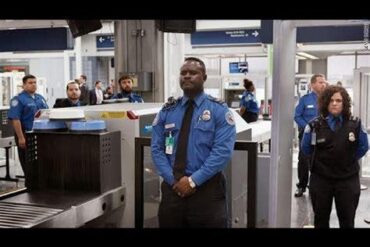
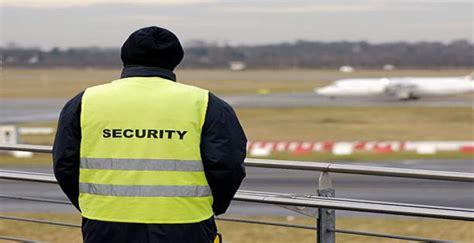
Airport security officers play a vital role in maintaining national safety and public trust at transportation hubs. These professionals are tasked with ensuring the safety of passengers, staff, and aircraft by identifying potential threats and enforcing security protocols. At the heart of this role is the ability to detect and respond to suspicious behavior, prevent prohibited items from entering secured zones, and assist law enforcement agencies when needed.
Operating in environments where millions of travelers transit daily, airport security officers are often the first line of defense against unlawful activity. From scanning luggage to questioning passengers, their actions help deter risks ranging from smuggling to terrorism. This makes their function indispensable in modern aviation systems.
Day-to-Day Responsibilities of an Airport Security Officer
The daily duties of an airport security officer are intensive, requiring unwavering attention to detail, discipline, and adherence to strict protocols. Officers are assigned to varied operational zones such as departure lounges, check-in areas, arrival halls, and cargo zones, where vigilance is critical.
Their core responsibilities include:
-
Inspecting travel documents to verify authenticity and detect inconsistencies.
-
Monitoring security cameras and surveillance equipment.
-
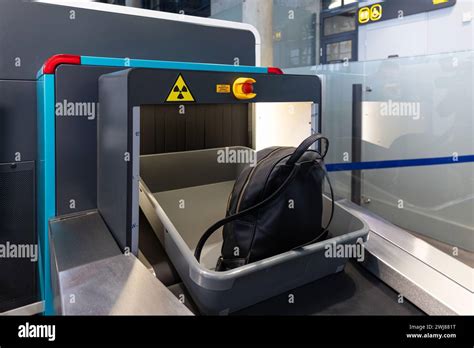
Conducting physical and electronic searches on passengers, vehicles, and luggage.
-
Liaising with immigration officers and police in real-time security matters.
-
Completing reports and case documentation for ongoing investigations.
A significant aspect of the role is recognizing patterns of suspicious behavior and intervening promptly without escalating tensions. Officers may also need to provide evidence in court or cooperate with national agencies like HMRC or the National Crime Agency.
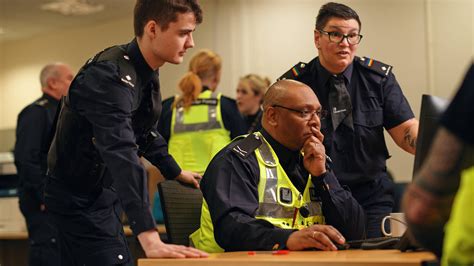
Educational Routes into Airport Security
To become a competent airport security officer, candidates must pursue formal education and structured training pathways. These paths ensure that recruits are equipped with both theoretical knowledge and practical readiness.
1. College-Level Courses
A Level 3 Diploma in Public Services or equivalent academic route provides foundational knowledge in criminal justice, emergency response, and security practices. Entry typically requires 4–5 GCSEs (grades 9 to 4), including English and mathematics.
2. Civil Service Apprenticeships
Though rare in frontline aviation roles due to security sensitivity, apprenticeships in public protection, border control, or homeland security can be a stepping stone. These require at least 2 GCSEs (grades 9 to 4) and offer rotational placements across civil departments.
3. Civil Service Fast Stream for Graduates
This competitive entry route suits individuals with a 2:2 degree or higher, allowing them to gain extensive governmental experience. Fast streamers rotate across roles in policy enforcement, risk analysis, and national security planning.
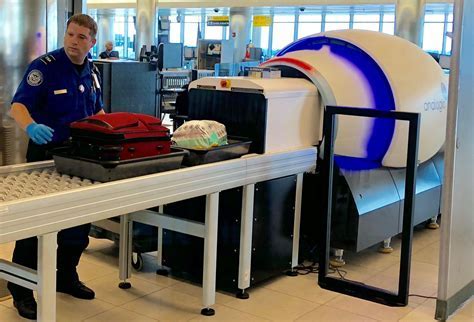
4. Direct Entry into the Border Force
Candidates may apply directly to the UK Border Force, provided they meet the following criteria:
-
Be 18 years or older
-
Hold UK citizenship
-
Have lived in the UK for 5 consecutive years
-
Pass enhanced security and medical checks
-
Demonstrate physical fitness and possess a valid driver’s license
Border Force officers begin with rigorous induction training, followed by probation periods of up to 12 months before receiving full operational status.
Essential Skills for Success in Airport Security
Technical knowledge alone does not guarantee success. To thrive as an airport security officer, individuals must cultivate a set of interpersonal and cognitive skills essential to the role’s fast-paced and high-stress nature.
Verbal Communication: Officers must relay information clearly to both passengers and colleagues, especially in high-pressure situations or when addressing multilingual travelers.
Decision-Making: The ability to assess a situation swiftly and accurately—such as identifying unattended baggage or odd behavior—is vital to threat mitigation.
Patience and Composure: Dealing with frustrated or noncompliant passengers requires emotional stability and professionalism.
Computer Literacy: Security systems evolve constantly. Familiarity with scanning software, biometric devices, and data entry systems is no longer optional.
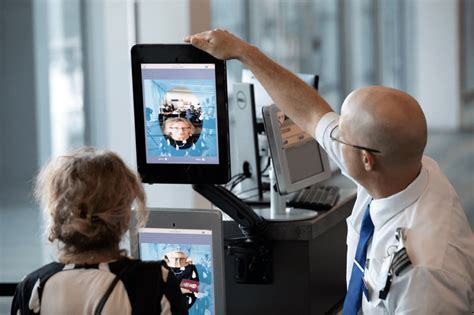
Working Conditions and Lifestyle Considerations
The nature of airport security work demands physical endurance and mental resilience. Officers are often required to stand for long hours and conduct repetitive tasks such as ID checks, pat-downs, and baggage screenings. They may be assigned to shifts covering early mornings, late nights, weekends, and holidays, as airports operate 24/7.
Many positions are offered under annualised hours contracts, meaning employees work a set number of hours per year but with varying weekly schedules. While the job is stable, it is most suited to individuals who can adapt to rotating hours and fluctuating workloads.
Despite the challenges, the role offers a unique sense of purpose and the ability to make tangible contributions to national safety and public service.
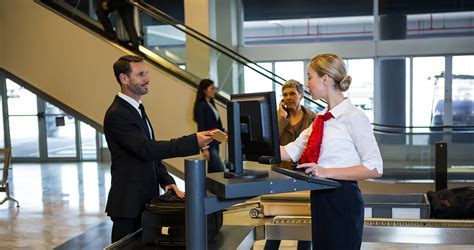
Career Progression and Salary Potential
A career in airport security can evolve significantly over time. With experience, officers may take on supervisory or specialist roles, often accompanied by higher salaries and leadership duties.
Entry-Level Airport Security Officer
-
Average Salary: £36,012 per year
-
Responsibilities include basic screening, documentation checks, and threat detection.
Civil Service Worker
-
Average Salary: £33,000 per year
-
Opportunities to move into roles within the Home Office, counterterrorism teams, or immigration enforcement.
Senior Border Force Officer
-
Average Salary: £31,000 per year
-
Duties expand to include budget oversight, staff recruitment, training programs, and coordination with national agencies.
Progression is often tied to ongoing performance assessments, internal examinations, and specialty training programs such as behavioral detection analysis or advanced risk profiling.
Frequently Asked Questions (FAQ)
What qualifications do I need to become an airport security officer?
You typically need GCSEs (grades 9 to 4) in core subjects, and in some cases, additional certifications such as a Level 3 Diploma in Public Services. For Border Force entry, 2 A levels or equivalent are required, along with other eligibility criteria like UK citizenship and security clearance.
How long does it take to become fully qualified?
The process can take anywhere from 6 months to over a year, depending on the route taken (college, apprenticeship, direct entry). New hires often undergo intensive induction training, followed by a 6–12 month probationary period.
Is being an airport security officer a stressful job?
Yes, it can be. The job involves working in high-pressure environments, interacting with the public, enforcing security rules, and maintaining alertness at all times. However, individuals who possess strong communication, patience, and composure tend to manage the stress effectively.