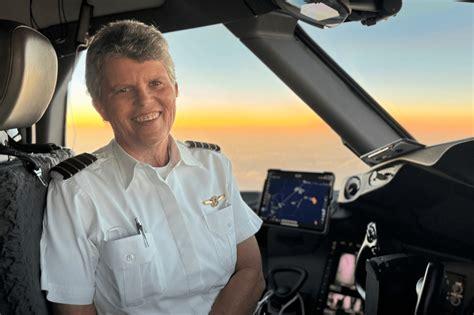
The journey from a regional airline first officer to a United Airlines Boeing 787 captain represents one of the most demanding and rewarding career paths in commercial aviation. It is a progression built on thousands of flight hours, years of seniority accumulation, extensive training, and the ability to navigate one of the most competitive industries in the world. For many pilots, the ultimate goal is not simply reaching a major airline cockpit, but eventually sitting in the left seat of a widebody aircraft on long-haul international routes.
At the peak of the career ladder, a United Airlines widebody captain enjoys one of the highest compensation levels available in commercial aviation. With a pay rate approaching $500 per flight hour, premium flying opportunities, and a highly desirable position on aircraft such as the Boeing 787 Dreamliner, experienced captains can earn annual compensation approaching or exceeding half a million dollars.
However, reaching this position is not a quick promotion. The path usually begins with small aircraft, entry-level flying jobs, and years spent building experience before a pilot even reaches a regional airline cockpit. Programs such as United Airlines Aviate have created a structured pathway for aspiring pilots, but they do not eliminate the challenges of training, competition, and seniority.
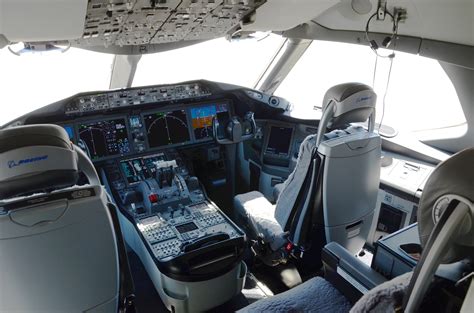
Starting the Journey: Becoming a Commercial Pilot in the United States
Every airline captain begins with basic flight training. Before a pilot can work professionally, they must complete several certifications issued under the Federal Aviation Administration (FAA) system. The first major milestone is earning a Private Pilot License (PPL), which allows a pilot to operate aircraft for personal flying and carry passengers under non-commercial conditions.
After gaining fundamental flying skills, aspiring airline pilots usually continue with an Instrument Rating (IR). This qualification allows pilots to operate aircraft in conditions where visibility is limited, relying on cockpit instruments rather than outside visual references. Instrument flying is a critical skill because airline operations regularly involve clouds, storms, and complex weather conditions.
The next step is obtaining a Commercial Pilot License (CPL). This certificate allows pilots to be compensated for flying services, but it does not immediately qualify someone to fly for an airline. Commercial pilots must continue building experience before reaching the requirements needed for an Airline Transport Pilot License (ATPL), the highest pilot certification.
In most cases, US airlines require pilots to accumulate 1,500 flight hours before obtaining an unrestricted ATP certificate. Because a commercial license requires significantly fewer hours, many newly qualified pilots begin working as Certified Flight Instructors (CFIs) to build flight time while teaching new students.
Becoming a flight instructor is often viewed as the first professional step in an airline career. Many instructors also add advanced qualifications, including Certified Flight Instructor Instrument (CFII) and Multi-Engine Instructor (MEI) ratings, allowing them to teach a wider range of students and accumulate valuable experience.
The financial investment required to reach this stage is significant. From zero flight experience to commercial certification, many students spend around $100,000 or more on training, depending on the school, location, aircraft used, and training pace. The process commonly takes one to two years for full-time students, followed by several additional years of hour building.
United Aviate: The Bridge Between Flight School and Airline Operations
United Airlines created the Aviate program to address one of the industry’s biggest challenges: developing a reliable pipeline of future airline pilots. The program connects aspiring aviators, flight schools, regional airlines, and United’s mainline operation.
Unlike traditional airline hiring, Aviate provides selected pilots with a Conditional Job Offer (CJO) from United. This means that successful applicants do not need to complete another traditional interview before joining the airline, assuming they meet all requirements and remain eligible.
However, the program is not an instant ticket to a United Airlines cockpit. A common misunderstanding is that joining Aviate guarantees a quick transition to a Boeing 787 or another mainline aircraft. In reality, the program is designed to create a long-term pathway while helping regional airlines maintain staffing levels.
United also operates the United Aviate Academy, a dedicated flight school in Phoenix designed to train new pilots from the beginning of their aviation careers. Although the academy provides a structured environment, students are still responsible for the cost of their flight training.
After completing training and reaching required flight hours, pilots generally move into regional airline operations before joining United’s mainline fleet.
The Regional Airline First Officer Years: Building the Experience Needed for United
After reaching the required flight experience, many pilots begin their airline careers at regional carriers operating smaller aircraft for United Express. These airlines provide the essential bridge between flight training and major airline operations.
United Aviate participants may progress through regional partners including:
- CommuteAir
- GoJet Airlines
- Mesa Airlines
- SkyWest Airlines
- JSX
- Tradewind
At a regional airline, pilots usually begin as first officers flying regional jets. The job involves operating frequent short-haul routes, learning airline procedures, developing crew coordination skills, and gaining experience in a highly regulated environment.
The transition from regional first officer to regional captain is one of the most important career steps. Airlines value captain experience because it demonstrates leadership, decision-making ability, and operational maturity.
The timeline varies depending on hiring conditions and fleet needs. During periods of rapid airline growth, first officers may upgrade quickly. During slower periods, the process can take several years.
United Aviate typically requires pilots to accumulate a certain amount of pilot-in-command (PIC) experience before transitioning to United mainline operations. Depending on the regional airline, this requirement can range from approximately 1,200 to 1,600 captain hours.
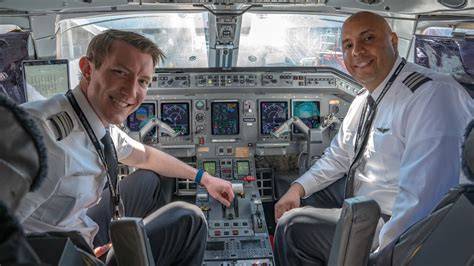
Joining United Airlines: The First Step Into Mainline Aviation
When regional pilots finally join United Airlines, they typically do not immediately receive their dream aircraft assignment. Like every airline career decision, placement is controlled by seniority.
New United pilots usually begin as first officers on narrowbody aircraft such as the Boeing 737 or Airbus A320 family. These aircraft represent the backbone of United’s domestic and short-haul international network.
Many new hires are assigned to bases such as Newark Liberty International Airport or San Francisco International Airport because these locations operate large fleets and frequently require additional staffing. Although these cities have high living costs, their size often makes them accessible to junior pilots.
Once hired, pilots begin accumulating United seniority. This single factor determines nearly every aspect of an airline pilot’s career, including aircraft assignment, base location, schedule quality, vacation priority, and upgrade opportunities.
A pilot with greater seniority can eventually bid for more desirable positions, while newer pilots must wait until enough vacancies become available.
Moving From Narrowbody Flying to the Boeing 787 Dreamliner
After joining United, pilots typically pursue several possible career paths. Some upgrade to narrowbody captain positions, while others move into widebody first officer roles.
The Boeing 787 Dreamliner is one of United’s most prestigious aircraft assignments. The aircraft operates many of the airline’s long-distance international routes, connecting the United States with Europe, Asia, South America, and other global destinations.
However, becoming a Boeing 787 captain requires significantly more seniority than becoming a first officer on the aircraft. The reason is simple: airlines need many more first officers than captains on long-haul aircraft.
A widebody aircraft usually operates with one captain and multiple first officers depending on flight duration and crew requirements. As a result, widebody captain positions are limited and highly competitive.
A pilot may spend years flying narrowbody aircraft before gaining enough seniority to move into widebody operations. Even after becoming a Boeing 787 first officer, additional seniority is required before upgrading to captain.
United Airlines Boeing 787 Captain Salary and Career Rewards
The financial rewards at the top of the airline pilot career ladder are substantial. United Airlines’ widebody aircraft pay groups include aircraft such as the Boeing 767, Boeing 777, and Boeing 787, which receive higher pay rates than smaller narrowbody aircraft.
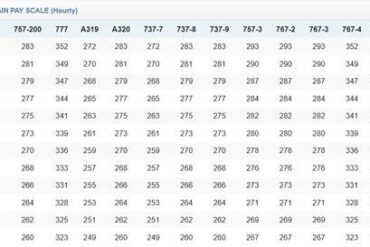
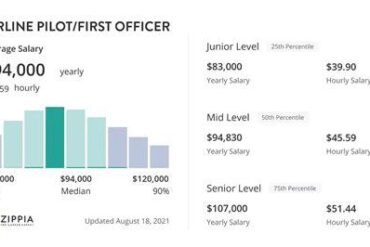
A United Boeing 787 captain can earn approximately $483.74 per flight hour at the top end of the pay scale. Depending on annual flying hours, premium assignments, overtime opportunities, and contract provisions, total compensation can approach $600,000 per year.
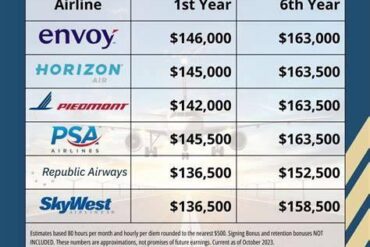
For comparison, newer United pilots begin at much lower pay levels. A new-hire first officer may earn around $125 per flight hour, while experienced widebody first officers can earn several hundred dollars per hour after building seniority.
The difference highlights the importance of long-term career progression. Airline pilots are not simply paid based on the aircraft they fly but also on their years of service, contractual pay scale, and position.
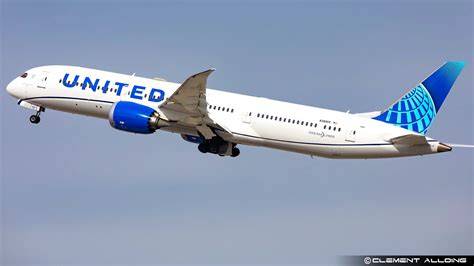
Why Becoming a Widebody Captain Takes Decades
The final step to becoming a United Airlines Boeing 787 captain is patience. Aviation is one of the few careers where experience and seniority continue to determine professional opportunities throughout an entire working life.
A talented pilot cannot simply skip ahead based on skill alone. Even excellent pilots must wait for available positions because every airline operates through a seniority-based system.
This system protects pilots by providing predictable career progression, but it also means that the most desirable jobs take time to reach. Widebody captain positions combine high compensation, international routes, and better lifestyle flexibility, making them some of the most competitive roles in aviation.
The complete journey can easily take more than a decade, beginning with flight school, continuing through regional airline operations, moving into major airline flying, and eventually reaching the captain’s seat on a Boeing 787.
For those who achieve it, becoming a United Airlines Boeing 787 captain represents the highest level of commercial aviation achievement: commanding one of the world’s most advanced aircraft, leading international flight operations, and earning compensation among the highest available to airline professionals.