Commercial airline pilots have long occupied a unique place in the modern workforce. They operate multi-million-dollar aircraft, carry hundreds of passengers across oceans, and make critical safety decisions under immense pressure. In 2026, that responsibility is translating into some of the highest compensation packages ever seen in commercial aviation, especially at major US airlines. Among the most talked-about figures in the industry is the pay earned by senior United Airlines Boeing 787 captains, with some approaching or even surpassing $600,000 annually.
That number sounds staggering at first glance, and for many outside aviation, it raises an obvious question: how can an airline pilot earn more than many executives, surgeons, or corporate attorneys? The answer lies in a compensation system built around seniority, aircraft type, hourly pay scales, overtime opportunities, and international flying complexity. The headline figure is real, but the path to reaching it is far more demanding than most people realize.
Unlike many professions with predictable annual salaries, airline pilot compensation operates on a sophisticated structure negotiated through labor contracts and heavily influenced by operational demand. A United Airlines Boeing 787 captain is not simply handed a fixed yearly paycheck. Their earnings are tied directly to flight hours, schedule optimization, premium assignments, and years spent climbing the seniority ladder in one of the world’s most competitive industries.
The Boeing 787 Dreamliner sits at the top of United Airlines’ international fleet strategy, and captains who command these aircraft represent some of the airline’s most experienced aviators. These are not entry-level airline employees suddenly collecting enormous checks. Most have spent well over a decade progressing through regional airlines, domestic fleets, and lower-paying positions before reaching the left seat of a long-haul widebody jet.
The result is a compensation package that reflects both experience and responsibility.
Why Boeing 787 Captains Earn More Than Other Airline Pilots
Aircraft type plays a major role in determining pilot pay. Within commercial aviation, widebody aircraft command significantly higher compensation than narrowbody jets because they are used on more complex international operations involving longer flight times, larger crews, advanced systems management, and greater operational responsibility.
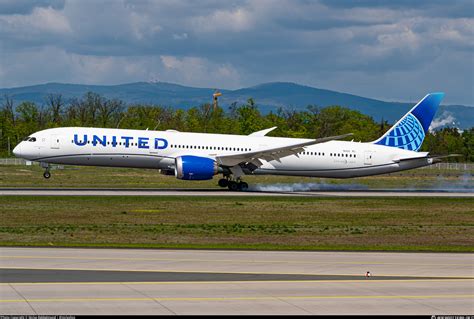
At United Airlines, the Boeing 787 Dreamliner is primarily deployed on long-haul international routes connecting the United States with Europe, Asia, the Middle East, and the Pacific region. These flights can stretch well beyond ten hours and require extensive planning related to fuel management, weather systems, ETOPS regulations, crew rest protocols, and international airspace coordination.
Captains operating these aircraft are expected to possess deep operational expertise. By the time a pilot upgrades into a United Boeing 787 captain role, they often have thousands of flight hours accumulated over many years of airline operations. Many have previously flown aircraft such as the Boeing 737, Airbus A320 family, Boeing 757, or Boeing 777 before reaching the Dreamliner fleet.
This seniority matters because airline contracts are largely built around tenure. Pilots with more years at the airline receive priority for aircraft assignments, schedules, vacation time, and pay scales. A newly hired pilot cannot simply choose to fly a Boeing 787 internationally. Those positions are reserved for highly senior crew members.
The financial difference between narrowbody and widebody operations can be enormous. A domestic narrowbody captain may already earn well above $200,000 annually, but widebody captains operating international routes can see compensation rise dramatically thanks to higher hourly rates and longer-duration flights.
Understanding How Airline Pilot Pay Actually Works
One of the biggest misconceptions about pilot salaries is the assumption that airline pilots receive a traditional fixed salary. In reality, most US airline pilots are compensated primarily through an hourly pay system.
Pilots are paid based on “block hours,” which generally begin when the aircraft doors close and the aircraft pushes back from the gate, ending once the aircraft arrives and the doors reopen. This means pilots are not directly paid for many duties performed outside active flight time, including pre-flight preparation, weather analysis, boarding coordination, and post-flight paperwork.
Most full-time airline pilots fly between 70 and 85 hours per month, with annual totals typically reaching around 900 hours per year. Federal regulations cap airline pilots at 1,000 flight hours annually, a safety measure designed to reduce fatigue risks.
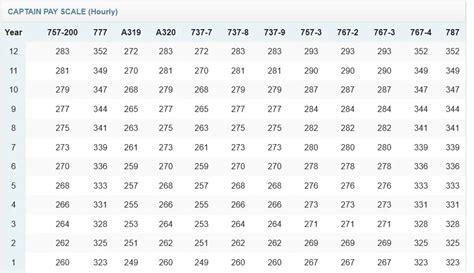
The math behind these salaries becomes clearer when hourly rates are examined. A senior United Airlines Boeing 787 captain can earn approximately $465 per flight hour under current contract rates. With annual flight time approaching the regulatory maximum, yearly earnings can climb into the high six figures even before overtime or incentive pay enters the equation.
In January 2027, negotiated contract increases are expected to push hourly rates closer to $498 per hour for senior Boeing 787 captains at United. At that level, total compensation approaches $600,000 annually under favorable scheduling conditions.
This system creates enormous variability in pilot earnings. Two pilots holding the same rank may still earn dramatically different incomes depending on aircraft assignment, trip selection, overtime participation, reserve schedules, and seniority positioning.
Overtime and Premium Pay Can Dramatically Increase Earnings
Pilot shortages across the United States have transformed airline scheduling economics. Major carriers are increasingly willing to pay premium rates to prevent flight cancellations and staffing disruptions, especially during peak travel seasons.
This has created lucrative overtime opportunities for experienced captains willing to fly additional trips. In some cases, airlines may offer premium compensation reaching 200% to 300% of standard hourly rates for urgently needed flights.
For a Boeing 787 captain already earning nearly $500 per hour, premium trips can become extraordinarily valuable. A single international assignment operated under premium pay conditions may add thousands of dollars in additional compensation.
Long-haul operations also naturally generate more payable hours. A domestic pilot operating short flights may accumulate block time gradually throughout the day, while an international widebody captain can log significant flight hours on a single transoceanic route.
For example, a round-trip flight between San Francisco and Singapore or Newark and Tokyo involves extensive block hours that substantially increase monthly totals. Senior pilots strategically bidding for these routes can optimize earnings considerably.
This is one reason headline salary numbers occasionally exceed official contract projections. The combination of overtime, premium flying, scheduling efficiency, and seniority can push total annual compensation beyond standard expectations.
The Hidden Value of United Airlines Pilot Benefits
The raw salary figures receive most of the public attention, but United Airlines pilots also receive extensive benefits that significantly increase total compensation value.
One of the most important is retirement contribution matching. United contributes up to 18% of eligible earnings into pilot retirement accounts, an unusually generous benefit even among highly paid professions.
For a captain earning nearly $600,000 annually, that retirement contribution alone can exceed $100,000 per year. Over the course of a long aviation career, compounded retirement growth can create substantial long-term wealth.
Additional benefits typically include:
- Comprehensive health insurance
- Life insurance coverage
- Profit-sharing opportunities
- Travel privileges
- Jumpseat access agreements
- International layover allowances
- Per diem payments
- Disability protections
- Union-negotiated scheduling protections
Per diem compensation is another overlooked component. Pilots receive tax-advantaged expense allowances while away from base, usually calculated hourly during work trips. While these payments are smaller compared to salary figures, they can still add several thousand dollars annually.
International layovers can also vary significantly depending on destination schedules. Senior pilots frequently operate routes involving premium accommodations and extended overseas stays in major global cities.
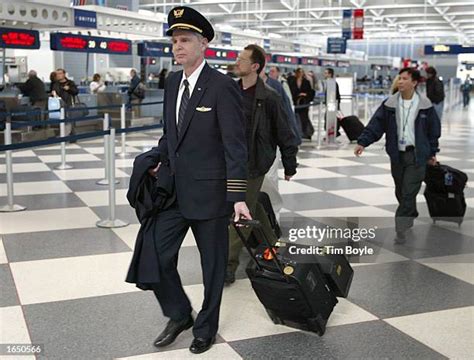
Becoming a Boeing 787 Captain Takes Years of Experience
The idea of earning nearly $600,000 per year understandably attracts attention, but reaching that level requires an exceptionally long and competitive career progression.
Most airline pilots begin with expensive flight training that can cost well over $100,000 before securing their first commercial airline position. New pilots often spend years building flight experience through regional airlines, flight instruction, cargo operations, or charter flying.
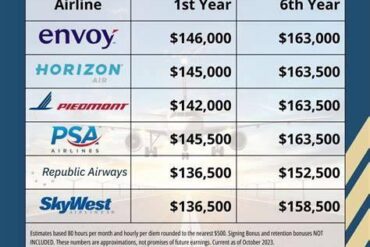
Regional airline first officers typically earn between $55,000 and $80,000 annually during their early years. Advancement into regional captain positions can eventually increase pay into the low six figures, but the journey is demanding and time-intensive.
Transitioning to a major airline like United represents another major milestone. Even after being hired by a legacy carrier, pilots generally spend years operating as first officers before becoming eligible for captain upgrades.
Widebody captain positions require even more patience. Seniority governs nearly every aspect of airline life, and international Boeing 787 assignments are among the most desirable roles in commercial aviation.
Many United Boeing 787 captains have accumulated:
- More than 5,000 total flight hours
- Extensive international operational experience
- Multiple aircraft certifications
- Decades of aviation expertise
- Advanced training qualifications
The profession also demands ongoing recurrent training, simulator evaluations, medical certifications, and strict regulatory compliance throughout a pilot’s career.
This is not easy money. It is the financial reward attached to one of the most technically demanding transportation professions in the world.
How United Airlines Compares With Delta and American
United Airlines is not alone in offering exceptionally high compensation for senior widebody captains. America’s three major legacy airlines — United, Delta Air Lines, and American Airlines — are locked in continuous competition for experienced pilots.
American Airlines widebody captains operating Boeing 777 and Boeing 787 aircraft can earn well above $400,000 annually, particularly after many years of service. Delta Air Lines also pays premium compensation for long-haul international operations, with senior captains earning comparable figures.
Recent labor negotiations across the US airline industry have accelerated pilot pay growth dramatically. Airlines are responding to several pressures simultaneously:
- Ongoing pilot shortages
- Increased global travel demand
- Retirement waves among older pilots
- Competitive hiring conditions
- Rising operational complexity
These factors have strengthened pilot unions and pushed airlines toward increasingly aggressive compensation packages.
The result is that US airline pilots now rank among the highest-paid commercial aviators globally.
Global Pilot Salaries Still Vary Significantly
Although United Airlines captains earn extraordinary compensation, pilot salaries vary widely around the world depending on local labor conditions, taxes, union influence, and aviation market growth.
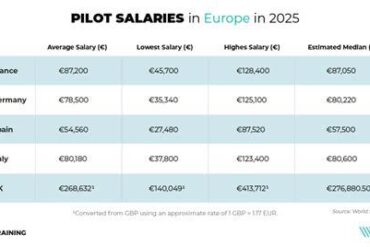
European airline pilots generally earn less than their US counterparts, particularly at low-cost carriers where compensation structures can be more restrictive. However, premium long-haul operators in Europe still provide highly competitive salaries for senior captains.
China remains one of the most lucrative aviation markets globally. Rapid airline expansion and persistent pilot shortages have pushed some compensation packages into the $300,000 to $500,000 range, occasionally rivaling or exceeding US salaries.
Middle Eastern airlines also attract international pilots with tax-free income structures and extensive benefits packages. While base salaries may appear lower than top US rates, the absence of income taxes and inclusion of housing, transportation, and education allowances can make total compensation highly attractive.
Still, the United States remains the benchmark for elite pilot compensation due to the combination of strong union contracts, massive passenger demand, and highly profitable legacy carriers.
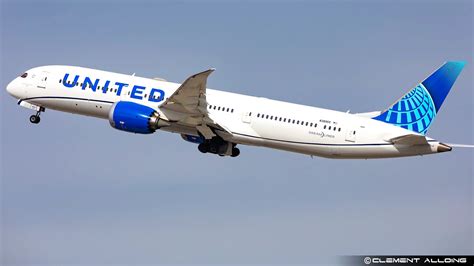
Why The $600,000 Headline Only Tells Part Of The Story
The headline figure surrounding United Airlines Boeing 787 captain salaries is real, but it represents the upper edge of a highly specialized profession rather than a standard airline paycheck.
Most airline pilots will never earn $600,000 annually. Even within United Airlines, only a relatively small group of highly senior widebody captains operating international routes reach that compensation level.
The broader industry median remains significantly lower. According to the US Bureau of Labor Statistics, airline pilots, copilots, and flight engineers reported median annual earnings of approximately $226,600 in recent data. That figure still represents a highly successful professional income, but it illustrates how extraordinary the upper tier truly is.
At the same time, the long-term outlook for pilots remains remarkably strong. Global air travel demand continues expanding, pilot shortages remain unresolved in many regions, and airlines are increasingly willing to invest heavily in retaining experienced crews.
For aspiring aviators, the profession still offers one of the clearest pathways toward elite earnings without requiring a traditional corporate career track. However, those rewards come only after years of rigorous training, operational responsibility, seniority progression, and intense professional commitment.
A United Airlines Boeing 787 captain approaching $600,000 annually is not simply benefiting from a high-paying job. That compensation reflects decades of experience, immense operational responsibility, and a position at the very top of commercial aviation’s seniority-driven system.