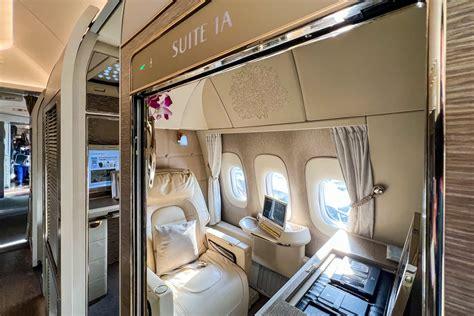
The idea that two passengers can sit in the exact same Emirates First Class suite and pay dramatically different prices sounds strange at first. Yet in reality, the difference between a bargain fare and a premium ticket can exceed $10,000. Timing, route, aircraft type, seasonal demand, and Emirates’ sophisticated pricing systems all influence what travelers ultimately pay for one of the world’s most luxurious flying experiences.
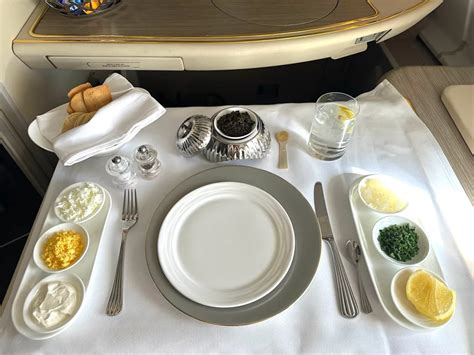
For some passengers, an Emirates First Class ticket costs around $5,000. Others booking seemingly identical flights may spend $18,000 or more. The suite remains the same, the caviar service is unchanged, and the onboard shower on the Airbus A380 is still available. The difference lies in how airlines manage supply and demand.
The economics behind Emirates First Class reveal why luxury travel prices can fluctuate so dramatically and why understanding these mechanisms can save travelers thousands of dollars.
The most important factor affecting Emirates First Class fares is timing. Contrary to popular belief, booking as early as possible does not always guarantee the lowest prices. Airlines continuously adjust inventory, and there is often a specific booking window when prices are most favorable.
Travel experts and experienced frequent flyers have consistently observed that Emirates First Class fares often reach their most attractive levels around four to six months before departure. During this period, flight schedules are already finalized, but demand has not yet reached its peak. Airlines are still actively trying to fill premium cabins and release lower fare classes to attract buyers.
When peak travel seasons approach, however, that sweet spot shifts. Christmas holidays, summer vacations, and major international events generate stronger demand much earlier. During these periods, travelers frequently need to secure seats six to eight months in advance to avoid sharp increases.
Passengers who wait until the final weeks before departure often discover astonishing price differences. As lower fare categories disappear, only the more expensive inventory remains available. Last-minute travelers frequently find themselves paying a substantial premium for the exact same suite.
After three decades of growth into one of the world’s most recognized premium airlines, Emirates has perfected a pricing strategy based on dynamic revenue management.
Dynamic pricing means fares are constantly changing based on several factors, including current demand, booking trends, seasonality, and seat availability. Prices are not fixed. Instead, sophisticated computer systems continuously monitor how seats are selling and adjust prices accordingly.
If demand suddenly increases because of a holiday, a major event, or rising bookings on a specific route, fares can climb almost immediately. Likewise, cancellations or promotional campaigns may create temporary opportunities for lower prices.
These adjustments happen in real time. A seat that costs $7,000 one day might increase to $10,000 just days later. In premium cabins where inventory is extremely limited, even small shifts in demand can produce dramatic changes.
Behind the scenes, Emirates divides First Class fares into multiple categories known as fare buckets. These fare classes are invisible to many travelers, yet they largely determine how much passengers pay.
Typically, Emirates offers categories such as Saver, Flex, and Flex Plus. Each category comes with different levels of flexibility regarding changes, refunds, and cancellations.
Saver fares are generally the cheapest. They appeal to travelers with fixed plans who are comfortable accepting stricter conditions. Flex fares provide additional convenience, while Flex Plus offers maximum flexibility, often favored by business travelers whose schedules may change.
The difference between these fare classes can amount to thousands of dollars. Two passengers flying side by side may enjoy identical suites and service while having paid entirely different prices simply because one purchased a Saver fare and the other selected Flex Plus.
Understanding passenger behavior is another key element behind Emirates’ pricing strategy.
Economists refer to this concept as price elasticity. Some travelers are highly sensitive to price changes, while others are relatively unaffected. Airlines design fare structures to capture both groups.
Leisure travelers paying out of pocket are usually more price-conscious. If fares rise too high, they may downgrade to Business Class or postpone travel altogether. Consequently, Emirates releases cheaper fare buckets to attract these customers.
Corporate travelers represent a different market. Business executives, company-sponsored passengers, and wealthy individuals often prioritize convenience and flexibility over price. Their travel needs make them less sensitive to higher costs.
This segmentation enables Emirates to maximize revenue. Lower fares attract value-conscious travelers months before departure, while higher-priced tickets capture premium customers who book closer to the travel date.
As a result, the same First Class suite can be sold repeatedly at entirely different prices throughout the booking cycle.
Another major factor influencing ticket prices is geography. Not all Emirates First Class routes are priced equally.
Flights connecting Europe with Dubai often present some of the most accessible First Class fares. Routes from London, Frankfurt, Zurich, and Paris frequently range between $4,500 and $9,000 depending on season and availability.
North American routes command significantly higher prices. Nonstop services from New York, Los Angeles, Toronto, and Boston commonly reach between $8,500 and $17,000. Longer distances and stronger premium demand contribute to these elevated fares.
Asia-Pacific destinations occupy a middle ground. Flights involving Sydney, Melbourne, and Auckland typically fall between $7,500 and $13,000.
Distance remains a critical factor because longer flights generate greater operating expenses. Fuel consumption, crew requirements, maintenance costs, and airport charges all increase with flight length.
Aircraft type also plays an important role in determining value.
Although Emirates operates First Class on many Airbus A380 aircraft and selected Boeing 777s, the experience differs significantly between them.
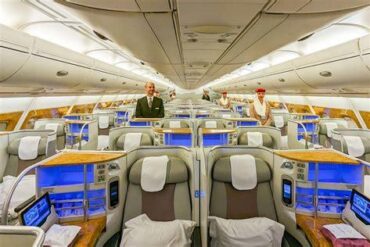
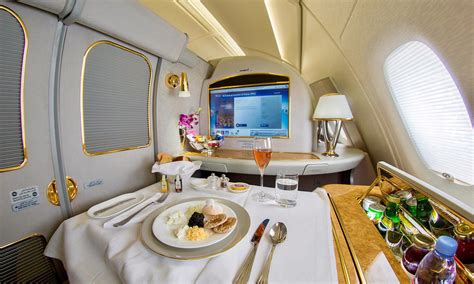
The Airbus A380 remains the flagship experience. First Class passengers enjoy spacious suites, premium dining, a dedicated lounge area, and perhaps the most famous amenity in commercial aviation—the onboard shower spa.
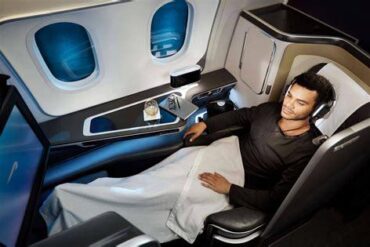
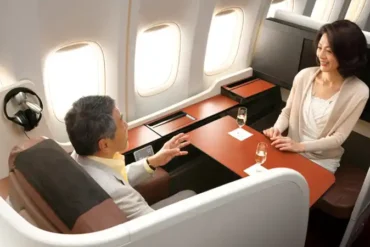
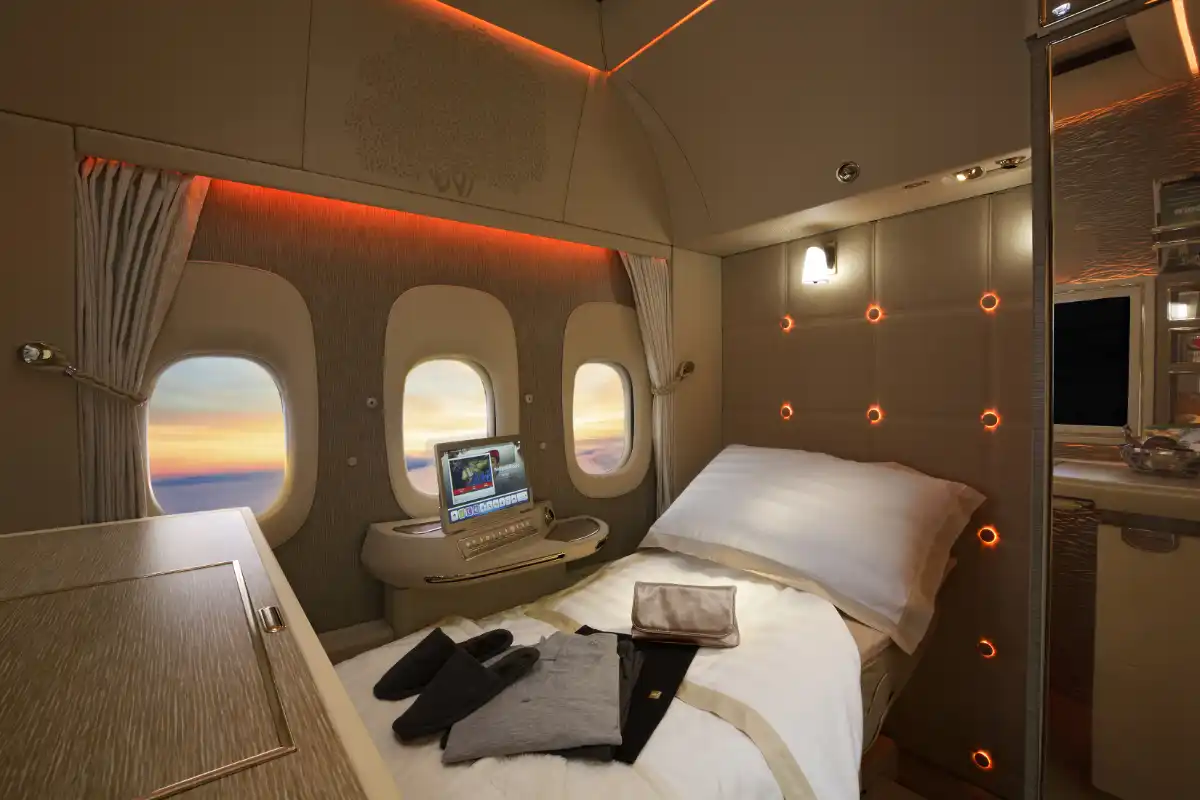
The Boeing 777 offers privacy and exceptional comfort but lacks some signature features available on the A380. Older configurations provide less isolation, while newer Game Changer suites deliver nearly floor-to-ceiling privacy and an experience resembling a private room.
Because these newer suites are relatively rare and highly sought after, flights featuring the latest Boeing 777 interiors often command premium prices.
Aircraft refurbishment programs also influence fares. Modern cabins generate greater demand, allowing Emirates to charge higher prices for the same route.
Luxury travelers seeking the best experience often specifically search for flights operated by refurbished aircraft. Their willingness to pay more contributes to the substantial fare variations observed across the network.
Seasonality introduces another layer of complexity.
Travel demand surges around Christmas, New Year celebrations, summer holidays, and school vacation periods. During these times, premium cabin availability disappears quickly.
Major events such as the Formula One Abu Dhabi Grand Prix, international exhibitions, and sporting tournaments also trigger spikes in First Class demand.
When lower fare buckets sell out early, only premium inventory remains. This explains why a passenger booking six months in advance may secure a seat for $6,000, while another traveler searching three weeks before departure faces prices exceeding $15,000.
Flexibility becomes increasingly valuable during these busy periods. Travelers able to shift departure dates by a few days often discover significantly lower fares.
Frequent flyer programs create another pathway toward savings.
Many experienced travelers combine cash payments with Emirates Skywards miles to unlock exceptional value. Hybrid bookings sometimes reduce out-of-pocket costs substantially compared with paying entirely in cash.
Upgrades from Business Class using miles can also provide access to First Class at a fraction of the normal retail price. Availability varies, but savvy travelers regularly exploit these opportunities to experience Emirates’ flagship products without spending five figures.
Monitoring fares over several months can produce equally impressive savings. Dynamic pricing means opportunities occasionally appear when airlines release additional inventory or respond to weaker-than-expected demand.
Shorter routes offer another strategy.
Passengers primarily interested in experiencing Emirates First Class rather than maximizing flying time often choose shorter segments. Regional flights departing Dubai can provide access to luxury suites for considerably lower prices than ultra-long-haul journeys.
Although the experience is shorter, travelers still enjoy many of the premium amenities that have made Emirates First Class famous worldwide.
Ultimately, the enormous difference between a $5,000 ticket and an $18,000 ticket is not random. It reflects a sophisticated system designed to balance supply, demand, passenger behavior, flexibility, and profitability.
The suite itself may remain unchanged, but the type of customer Emirates is targeting changes continuously. Early planners willing to accept restrictions often gain access to lower fares, while last-minute travelers seeking maximum flexibility become the airline’s highest-paying customers.
For those willing to monitor prices carefully, travel outside peak periods, and book within the optimal window, experiencing one of aviation’s most exclusive products does not necessarily require spending a fortune. In many cases, patience and timing can unlock thousands of dollars in savings while delivering exactly the same champagne, the same privacy, and the same extraordinary suite enjoyed by passengers who paid far more.