The closing weeks of 2025 marked a decisive moment for Boeing as the company delivered 63 commercial aircraft in December, pushing its full-year total to 600 deliveries, the manufacturer’s strongest performance since 2018. While Airbus retained its lead in overall annual deliveries, Boeing’s late-year surge underscored a tangible recovery in production stability, customer confidence, and industrial execution after years of turbulence. December’s numbers were not merely symbolic; they reflected a production system that, while still constrained, is once again capable of sustained output at scale.
This milestone came against the backdrop of a fiercely competitive global aviation market. Airbus officially surpassed Boeing’s 737 family with the A320 series as the best-selling commercial aircraft of all time, cementing its dominance in the narrowbody segment. Yet Boeing’s December performance showed that market leadership is no longer defined solely by cumulative sales history, but by momentum, backlog quality, and the ability to convert orders into deliveries under regulatory scrutiny.
A Year of Measured Progress for Boeing’s Commercial Division
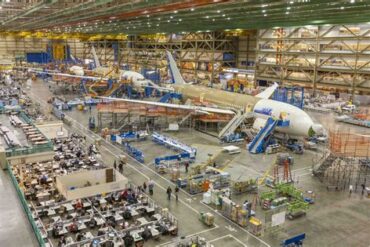
Throughout 2025, Boeing focused less on headline-grabbing growth and more on methodical operational repair. The result was a delivery count that, while still trailing Airbus’s nearly 800 aircraft, represented a meaningful rebound from the lows following the 737 MAX grounding and subsequent production disruptions. Industry analysts widely regard the 600-delivery mark as a psychological and operational threshold, signaling that Boeing has re-established a functional production rhythm across multiple programs.
This progress was reinforced by a remarkable commercial achievement: Boeing booked nearly 1,200 gross aircraft orders during the year, surpassing Airbus in net orders for the first time in seven years. That reversal speaks volumes about airline sentiment. Carriers are no longer viewing Boeing as a risk to be managed, but once again as a strategic supplier capable of supporting long-term fleet plans.
The order momentum was driven largely by confidence in Boeing’s narrowbody and widebody portfolios, even as certification delays and production caps remained in place. Airlines appeared willing to bet on Boeing’s recovery, locking in future capacity amid global aircraft shortages.
The 737 MAX: Slow Stabilization After Years of Crisis
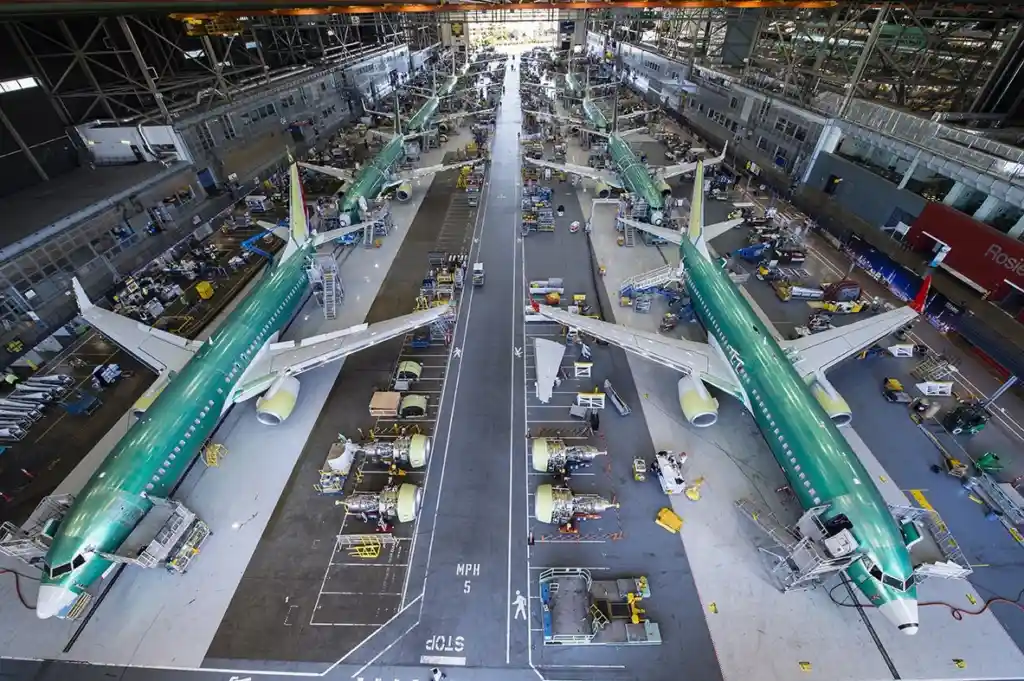
No aircraft program better illustrates Boeing’s fragile but real recovery than the 737 MAX. Once synonymous with crisis, the program showed measurable improvement in 2025. The Federal Aviation Administration raised the production cap from 38 to 42 aircraft per month, citing consistent gains in quality control and safety oversight. While still well below Boeing’s historical ambitions, this incremental increase allowed the manufacturer to clear stored inventory and deliver more aircraft directly from active production lines.
Equally important is what lies ahead. The MAX 7 and MAX 10, the smallest and largest variants of the family, are expected to receive certification, unlocking long-delayed customer deliveries. Production facilities are already being prepared for rapid activation once regulatory approval is secured, suggesting Boeing is positioning itself for a sharper ramp-up in 2026.
Widebody Strength Anchored by the 787 Dreamliner
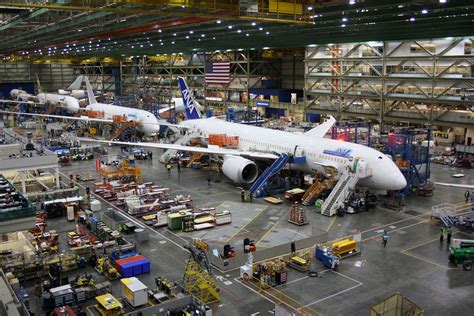
If the 737 MAX represents stabilization, the 787 Dreamliner embodies Boeing’s enduring engineering strength. The program enjoyed one of its most successful years on record, securing over 300 new orders and delivering nearly 90 aircraft in 2025 alone. Since entering service in 2011, the 787 has become the best-selling widebody jetliner in history, prized for its fuel efficiency, composite construction, and passenger comfort.
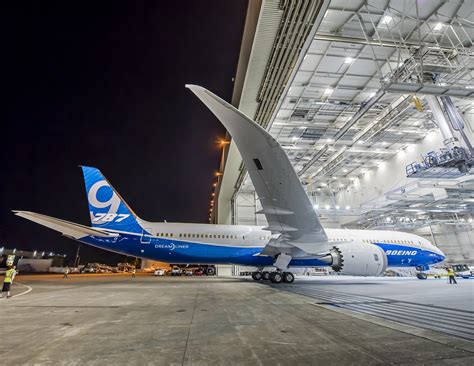
Perhaps the most telling endorsement came from Delta Air Lines, which placed new orders for the 787 despite having exclusively purchased Airbus widebodies in recent years. Delta CEO Ed Bastian framed the decision as part of a long-term strategy to modernize the fleet, enhance customer experience, and replace aging aircraft with more efficient designs. For Boeing, this order carried symbolic weight, signaling renewed trust from one of the world’s most influential airlines.
The 777X: Delayed, But Still in Demand
The 777X program remains a study in contrasts. Certification delays have pushed its entry into service beyond 2026, with 2027 now the more realistic target. Yet customer interest has not waned. Emirates reinforced its commitment by ordering 65 additional 777X aircraft, bringing its total backlog to an extraordinary 270 units. This vote of confidence underscores the aircraft’s strategic importance in the long-haul market, particularly for high-capacity international routes.
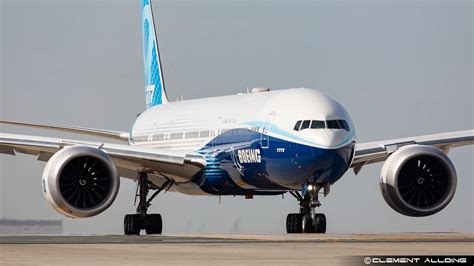
Despite the delays, the continued flow of orders suggests airlines are willing to wait for performance advantages that competitors cannot easily replicate.
Looking Ahead: 2026 as a Defining Recovery Year
As Boeing enters 2026 under CEO Kelly Ortberg, the company has clearly recalibrated its priorities. The focus is now on industrial stability, disciplined execution, and positive cash flow, rather than aggressive production targets. With stored aircraft largely cleared, nearly all future deliveries will come from newly built jets, raising the stakes for production reliability.
Boeing aims to reach 47 737 MAX deliveries per month, 10 Dreamliners per month, and an overall output of 700 aircraft annually by the end of 2026. Achieving these goals would not only close much of the gap with Airbus but firmly establish that Boeing’s recovery is structural, not cyclical.
The delivery of 63 aircraft in December was more than a year-end push. It was a statement that Boeing, after years of crisis, is steadily reclaiming its place as a cornerstone of the global aerospace industry.