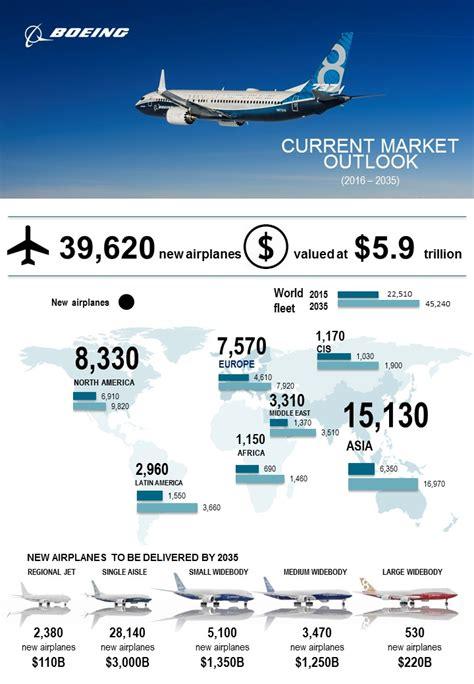
Boeing’s 2025 Commercial Market Outlook (CMO) sets a bold trajectory for the global aviation sector: 43,600 new aircraft will be required by 2044, fueled primarily by emerging markets experiencing economic transformation. The forecast underscores a generational shift in fleet composition, route dynamics, and air travel accessibility—driven by urbanization, a swelling middle class, and increasingly competitive low-cost carriers across Latin America, Southeast Asia, Africa, and South Asia.
Boeing’s projection isn’t just about volume—it signals a profound geostrategic realignment of global air traffic. Regions once considered peripheral to aviation growth are now pivotal in shaping demand patterns and fleet decisions. Emerging markets are set to contribute over 50% of the world’s commercial aircraft fleet by 2044, a notable climb from their 40% share in 2024. This expanding aviation footprint is redefining where airlines grow, what aircraft they buy, and how people travel.
Passenger Air Travel to More Than Double by 2044
Averaging a 4.2% annual growth rate, passenger air traffic is expected to more than double within the next two decades. This far outpaces the projected global economic growth rate, emphasizing air travel’s central role in modern transportation ecosystems. Growth will be driven by multiple converging factors: expanding city-to-city connectivity, increasing per capita income in previously underrepresented markets, and a consumer pivot toward air travel as both a utility and a lifestyle choice.
As developing nations urbanize and invest in infrastructure, their citizens will increasingly seek fast, affordable, and reliable means of transport—air travel becoming a vital link for commerce, tourism, and cultural exchange.
Fleet Expansion: Scaling to Meet the Skyrocketing Demand
By 2044, the global commercial aircraft fleet will surge past 49,600 units, nearly doubling from its current size. This massive expansion is underpinned by two dynamics: the need to replace aging aircraft with more efficient models and the requirement to add new capacity to serve rapidly growing markets. Boeing estimates that nearly 80% of the global fleet will be composed of new aircraft deliveries, amounting to over 21,000 aircraft for replacement alone.
New aircraft will not only offer fuel efficiency and sustainability improvements, but also bring advanced avionics, lower operating costs, and superior passenger comfort—benefits critical to maintaining competitiveness in a post-pandemic aviation industry.
Single-Aisle Jets Dominate the Sky
One of the most striking forecasts in the CMO is the continued dominance of single-aisle aircraft, projected to account for 72% of the global fleet by 2044, up from 66% in 2024. This shift reflects the strategic importance of short-haul and regional travel, particularly in high-growth, price-sensitive regions. Low-cost carriers, which are thriving in emerging economies, heavily rely on single-aisle aircraft like the Boeing 737 MAX or Airbus A320neo families to fuel their networks.
The efficiency and route flexibility of these aircraft make them ideal for point-to-point service, especially in markets with limited airport infrastructure or growing city pair connections. Expect single-aisles to continue revolutionizing regional air mobility.
Widebody Growth Signals Long-Haul Boom from Developing Hubs
Long-haul international travel remains a cornerstone of aviation’s global reach, and Boeing anticipates a nearly twofold increase in widebody aircraft, growing from around 4,400 in 2024 to 8,320 by 2044. These aircraft are essential for intercontinental travel, particularly between new economic centers in Asia, Africa, and Latin America to established markets in Europe and North America.
Emerging-market carriers are aggressively investing in widebody aircraft to develop direct, long-haul connections and attract premium traffic segments. Direct flights between secondary cities—such as Nairobi to São Paulo or Kuala Lumpur to Istanbul—are becoming increasingly feasible, thanks to next-generation widebodies with extended range and better fuel economy.
Cargo Capacity and Freighters: A Quiet but Vital Growth Segment
Parallel to passenger aviation, the global freighter fleet is poised for strong expansion. Boeing forecasts the need for 2,900 new freighters, comprising both purpose-built cargo aircraft and converted passenger jets. The surge in air cargo demand stems from accelerating e-commerce penetration, heightened consumer expectations for fast delivery, and the restructuring of global supply chains post-pandemic.
Freighter aircraft are playing a larger role in just-in-time logistics, pharmaceutical transport, and high-value goods movement. With express networks expanding across the globe—particularly in Asia and Africa—air cargo is becoming an indispensable part of the aviation equation.
Airline Network Expansion: New Routes and Enhanced Connectivity
The last decade saw a 30% increase in airport pairs served, a clear indication of airlines’ intent to deepen connectivity beyond traditional hubs. Travelers are increasingly able to fly direct, bypassing congested airports and reducing travel time. Point-to-point networks, especially in domestic and regional markets, are reshaping how airlines operate, offering more choice to consumers and improving aircraft utilization.
This expansion is being enabled by the growing number of efficient aircraft capable of serving smaller markets profitably. As spending on air travel rebounds to pre-pandemic levels, route planners are betting on demand resilience and passenger willingness to explore alternative city pairs.
Detailed Aircraft Delivery Forecast (2025–2044)
According to Boeing’s CMO, the distribution of aircraft deliveries over the next 20 years is as follows:
- Single-Aisle Aircraft: 33,285 units
- Widebody Aircraft: 7,815 units
- Regional Jets: 1,545 units
- Freighters: 955 units
Total Deliveries: 43,600 aircraft
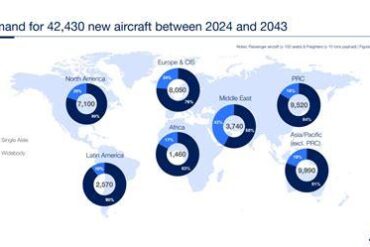
This expansive delivery pipeline reflects not just replacement cycles but also the strategic repositioning of global aviation hubs. Aircraft demand will increasingly come from Asia-Pacific, the Middle East, and Africa, where current penetration rates remain low but the appetite for air travel is rapidly accelerating.
Sustainability and Technological Advancement
New aircraft deliveries will also contribute significantly to the industry’s sustainability goals. More than 21,000 replacements will directly reduce carbon emissions, thanks to fuel-efficient engines, lighter composite materials, and improved aerodynamics. Technologies such as hybrid-electric propulsion, sustainable aviation fuels (SAFs), and AI-powered maintenance systems are expected to gain further traction, especially as regulators tighten emissions standards.
Airlines are not only seeking to expand but also to do so responsibly, in alignment with global decarbonization efforts. Boeing’s forecast implicitly reinforces this dual mandate: growth with environmental stewardship.
The Post-Pandemic Aviation Resurgence
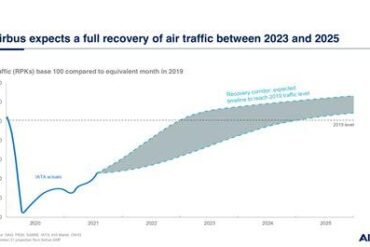
Boeing senior vice president Brad McMullen emphasized that the commercial aviation industry has already tripled passenger air traffic and more than doubled the global airplane fleet in the first quarter-century of the 2000s. Despite disruptions like the COVID-19 pandemic, the industry continues to exhibit remarkable resilience and adaptability.
“Resilience will remain a hallmark of this growing industry,” McMullen stated, projecting confidence in the aviation sector’s capacity to weather future volatility while remaining on a trajectory of robust expansion.

Conclusion: The Sky Belongs to the Rising Economies
The 2025 CMO clearly illustrates a future in which emerging markets take center stage in global aviation. Their growing economic power, urban development, and expanding middle classes are converging to unleash massive demand for air travel. The implications are transformative: new hubs, new routes, and new aircraft tailored to serve diverse and evolving market needs.
As airlines and manufacturers gear up to meet this demand, strategic investments in infrastructure, sustainability, and connectivity will be critical. Boeing’s forecast doesn’t just offer numbers—it provides a blueprint for the next phase of aviation’s global evolution, where innovation and inclusivity will define the airspace of tomorrow.