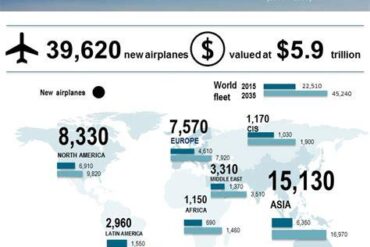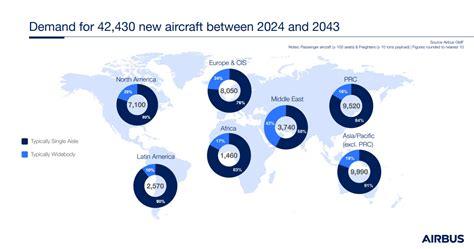
Airbus has unveiled one of the aviation industry’s most significant long-term outlooks, projecting demand for 42,060 new commercial aircraft between 2026 and 2045. The forecast reflects confidence that global economic expansion, accelerating urbanization, and the rapid growth of the world’s middle class will reshape aviation over the next two decades. Rather than focusing solely on traditional airline hubs, Airbus believes the future will be defined by stronger connectivity between smaller cities, creating fresh opportunities for airlines while reinforcing demand for modern, fuel-efficient aircraft.
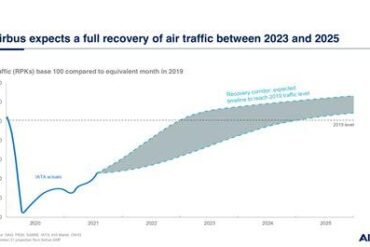
The European manufacturer expects global aviation to continue expanding despite recent disruptions that have challenged airlines, including the pandemic, geopolitical conflicts, supply chain constraints, and volatile fuel prices. While these events have temporarily slowed growth, Airbus argues that long-term demand has historically remained resilient. As economies recover and disposable incomes rise across developing regions, passenger traffic is expected to reach unprecedented levels.
Airbus’ latest Growth Market Forecast also reflects how airline strategies continue evolving alongside passenger expectations. Travelers increasingly prefer direct flights over time-consuming connections whenever economically viable. At the same time, advances in aircraft efficiency allow airlines to profitably operate routes that were previously impossible or commercially unattractive, fundamentally changing the structure of global airline networks.
Airbus Sees Secondary Cities Driving Future Aviation Growth
One of the report’s defining conclusions is that smaller urban centers will expand faster than major metropolitan areas, fundamentally changing future airline route planning. For decades, aviation relied heavily on the hub-and-spoke model, where passengers connected through large airports before reaching their final destinations. Although that system remains highly effective for many airlines, Airbus believes growing demand between secondary cities will steadily strengthen the point-to-point network.
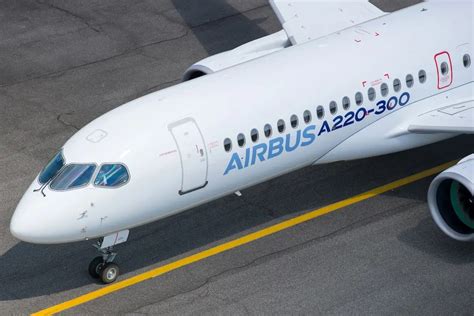
The manufacturer notes that routes connecting cities that previously lacked sufficient passenger demand are becoming commercially sustainable thanks to today’s efficient aircraft. Airbus highlights examples such as Riga to Tenerife and Melbourne to Alice Springs, where aircraft like the A220 can economically serve markets that once required larger aircraft or connecting flights. This expanding flexibility enables airlines to open thinner routes while offering travelers shorter journey times.
The shift also reflects the gradual retirement of older four-engine aircraft in favor of highly efficient twin-engine narrowbody and widebody fleets. Modern aircraft consume less fuel, require lower maintenance costs, and offer longer range, allowing airlines to connect destinations that previously depended on major transfer hubs.
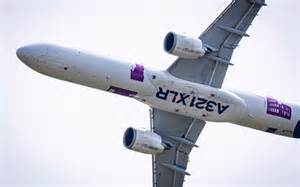
Modern Aircraft Match Changing Airline Networks
Airbus believes its current product portfolio is particularly well positioned to benefit from these evolving network patterns. Aircraft such as the A220 and A320neo Family provide airlines with exceptional efficiency on short and medium-haul routes, while long-range variants continue opening thinner intercontinental markets that once required much larger aircraft.
Meanwhile, widebody models including the A330neo and A350 Family allow carriers to operate long-haul services with significantly lower operating costs than previous generations. Their combination of extended range, improved fuel efficiency, and lower emissions gives airlines greater flexibility when evaluating entirely new international city pairs.
Rather than simply replacing older fleets, these aircraft allow airlines to rethink network design itself. More direct services improve passenger convenience while helping carriers diversify beyond congested hub airports.
Growing Middle Class Will Fuel Passenger Demand
Economic development remains another cornerstone of Airbus’ forecast. According to the manufacturer, the global middle-class population most likely to travel by air will increase by approximately 1.4 billion people by 2045, representing a 34% increase. Rising incomes have already transformed aviation over the past two decades, particularly through the rapid expansion of low-cost carriers that made flying accessible to millions of first-time travelers.
As household purchasing power continues improving across emerging economies, more consumers are expected to travel for leisure, education, and business. Airbus argues that commercial aviation demand remains closely linked to both economic prosperity and people’s desire to travel, making demographic expansion an equally powerful driver alongside GDP growth.
The Asia-Pacific region stands out as one of the strongest examples of this relationship. Economic growth, urban development, and expanding middle-income populations continue generating substantial demand for domestic, regional, and long-haul air services, making the region one of aviation’s largest long-term growth engines.
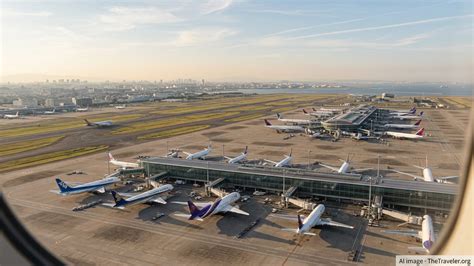
Air Traffic Expected to More Than Double by 2045
Supporting its fleet forecast, Airbus estimates that global passenger traffic will more than double, reaching roughly 10 billion passengers annually by 2045. In the nearer term, the company projects average annual traffic growth of 3.9%, with approximately 2.6% driven by global GDP growth and another **1.3% resulting from demographic changes.
Such sustained expansion inevitably requires substantial fleet investment. Airbus forecasts demand for 42,060 aircraft, consisting of 22,240 aircraft needed for market growth and 19,820 aircraft replacing older, less efficient models. Fleet renewal remains essential as airlines pursue lower fuel consumption, reduced operating costs, and stricter environmental targets.
The forecast also illustrates where future production will concentrate. Airbus expects 81% of new deliveries to be narrowbody aircraft, reflecting continued demand for single-aisle jets across domestic and regional markets. The remaining 19% will be widebody aircraft, supporting international travel growth and cargo operations.
Airbus Positions Itself for the Next Aviation Expansion
Although aviation periodically experiences economic shocks and geopolitical uncertainty, Airbus believes long-term market fundamentals remain firmly intact. Urbanization, rising prosperity, expanding middle-class populations, and increasingly decentralized airline networks are expected to sustain commercial aviation growth well into the 2040s.
For airlines, the forecast highlights the importance of investing in efficient fleets capable of serving both traditional hubs and emerging city pairs. For manufacturers, it reinforces the enormous production challenge ahead as thousands of aging aircraft retire while global demand continues climbing. If Airbus’ projections materialize, the next twenty years will not simply represent fleet replacement—they will mark one of the largest expansions in commercial aviation history, driven by 42,060 new aircraft reshaping how billions of passengers travel around the world.