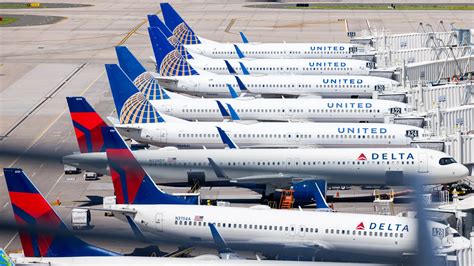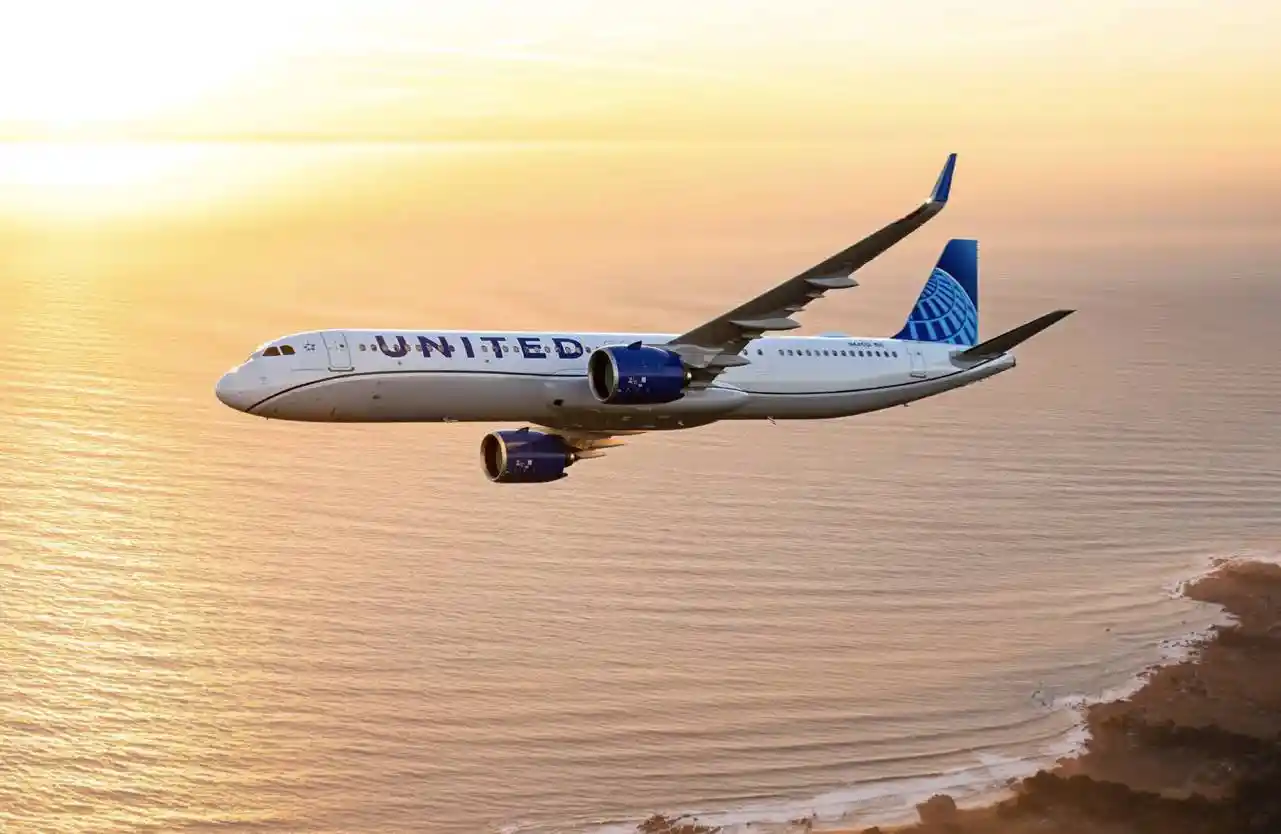
United Airlines has defied industry expectations in Q2 2025, reporting stronger-than-expected adjusted earnings per share as luxury travel and international passenger volumes surged. After navigating a challenging start to the year characterized by weakening domestic demand and falling fares, the airline posted an adjusted EPS of $3.87, outpacing analyst forecasts and reaffirming its bullish outlook for the remainder of the year.
The airline’s success was driven by three pivotal factors: the rebound of premium cabin bookings, sustained demand across international routes, and a strategic recalibration of route capacity designed to manage operational bottlenecks, especially at its Newark hub.
International Travel Fuels United’s Rebound
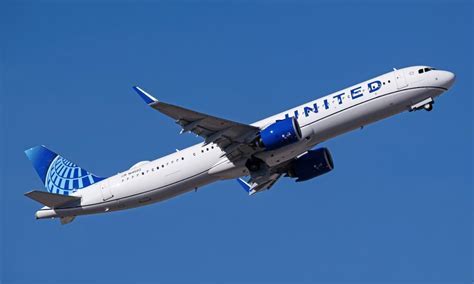
During the early months of 2025, United Airlines, along with its U.S. competitors, faced significant headwinds. Sluggish domestic demand and price sensitivity among travelers led to weaker revenues and aggressive fare cuts. However, as the year progressed, a resurgence in global travel demand reversed the trend. United’s emphasis on international connectivity, particularly in premium markets, played a crucial role in driving revenues upward.
Premium cabin revenue grew by 5.6% year-over-year, bolstered by high-spending travelers willing to pay for long-haul luxury experiences. Even as Europe segment revenues declined by 2.2%, reflecting slight erosion in average fares, overall international traffic remained strong, allowing the airline to stabilize its global performance metrics.
Mixed Domestic Performance Highlights Market Challenges
Domestically, United struggled to offset revenue declines. The unit revenue dropped 4% during Q2 2025, with revenue per available seat mile (RASM) in the domestic sector plummeting by 7% compared to Q2 2024. While basic economy bookings saw a modest 1.7% growth, this was insufficient to compensate for widespread pricing pressures.
The contrast between booming international demand and weakening domestic sales underscores a strategic challenge for United moving forward: how to balance its network focus between mature U.S. markets and profitable global routes.

Q2 2025 Financial Performance: Breaking Down the Numbers
Despite revenue slightly missing Wall Street projections, United Airlines’ profit margins exceeded forecasts thanks to cost discipline and a favorable route mix:
- Adjusted EPS: $3.87 (versus expected $3.81)
- Revenue: $15.24 billion (versus expected $15.35 billion)
- Net Income: $973 million (down 26% year-over-year)
- Adjusted Net Income: $1.27 billion
The 1.7% year-over-year revenue growth, while modest, signals market stabilization. However, the 26% net income decline compared to 2024 highlights the drag caused by lingering operational challenges and the slow recovery of price-sensitive domestic markets.
Newark Bottlenecks Limit Operational Efficiency
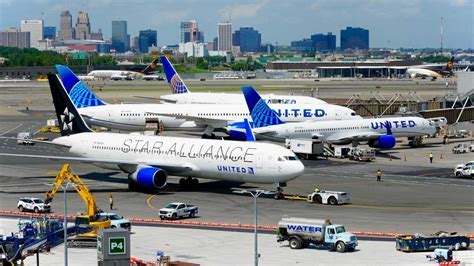
Operational constraints at Newark Liberty International Airport have significantly impacted United’s profitability. Staffing shortages and airspace limitations at the major East Coast hub forced the airline to reduce flight frequencies, leading to:
- Q2 Pretax Margin Impact: -1.2 percentage points
- Q3 Forecast Margin Impact: -0.9 percentage points
United’s management identified these bottlenecks as critical risks, yet current strategies focus on capacity trimming and schedule optimization to mitigate margin pressure moving into the second half of the year.
Industry-Wide Capacity Adjustments Signal Market Correction
Following broader industry trends, U.S. carriers, including United, are implementing post-summer capacity reductions. This strategy aims to better align seat availability with actual booking demand as the industry exits the peak travel season. By reducing supply, airlines hope to stabilize fare levels and preserve profitability through the remainder of 2025.
Such tactical adjustments reflect a maturing response to the overcapacity issues that plagued airlines in early 2025. United’s ongoing recalibration could protect yields, especially in premium and international segments where demand remains firm.
2025 Outlook: Cautious Optimism for Continued Recovery
United Airlines reaffirmed its annual adjusted earnings guidance of $9 to $11 per share, aligning closely with analysts’ estimates. This projection marks a substantial improvement over January’s dual-scenario guidance, which ranged from $7–$9 under recessionary conditions to $11.50–$13.50 in a stable environment.
The airline forecasts Q3 adjusted EPS between $2.25 and $2.75, signaling guarded optimism for the late summer and early fall periods. While operational bottlenecks at Newark and domestic pricing weakness pose risks, United’s management remains confident in the sustained strength of premium and international demand streams.
Strategic Focus: Premium Travel and International Routes Lead Growth Strategy
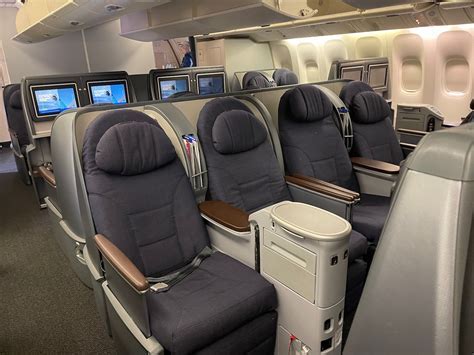
Looking forward, United Airlines is clearly doubling down on its premium travel offerings and long-haul international routes. With premium cabin sales showing resilience and global travel rebounding, these segments are now United’s most profitable arenas. The airline’s investments in cabin upgrades, international partnerships, and long-haul fleet optimization reflect its strategy to capture this high-yield market.
At the same time, United faces the imperative to address its domestic pricing issues and operational inefficiencies at Newark. How effectively it navigates these challenges will shape profitability in the quarters ahead.
Conclusion: United Airlines Navigates Toward Stability Amid Recovery Surge
United Airlines’ second-quarter results send a clear message: despite ongoing domestic market challenges and operational hurdles, the airline is successfully leveraging luxury travel demand and international expansion to outpace expectations. The combination of strategic route focus, premium cabin strength, and disciplined capacity management positions United for a potentially strong second half of 2025.
If global economic conditions continue to stabilize and United can resolve bottlenecks at Newark, the carrier is well placed to consolidate its gains and emerge as one of the leading performers in the post-pandemic aviation market.
As the global travel recovery accelerates, United Airlines’ strategic pivot to premium and international markets underscores a critical industry trend: luxury and global connectivity now define success in the airline business.