The summer of 2025 is witnessing a powerful resurgence in China’s aviation sector, marking a sharp pivot from the stagnation of previous years. As global travel demand rebounds with force, international carriers are rapidly repositioning themselves to capitalize on renewed interest in the Chinese market. From Emirates’ daily flights to Shenzhen to Delta’s strategic link to Las Vegas, a new era of connectivity is unfolding, reaffirming China’s status as a central player in global aviation. Notably, Shenzhen Bao’an International Airport is emerging as the breakout star of this revival, joining Beijing, Shanghai, and Guangzhou as a top-tier international gateway.
Global Airlines Race Back into Chinese Airspace
After years of travel restrictions and muted international movement, global carriers are unleashing an aggressive wave of expansion into China. Airlines such as Delta Air Lines, Emirates, Mongolian Airlines, and Cambodia Airways are launching new routes and restoring connections, fueling a remarkable recovery that reflects growing demand for both leisure and business travel.
Emirates, long recognized for its robust presence in Asia, has added Shenzhen to its China network with a new daily direct service from Dubai. This addition brings the total number of weekly flights between China and the UAE to 42, dramatically increasing bilateral connectivity and business potential between the Middle East and South China. The move also affirms Shenzhen’s rising appeal as a high-tech and trade-driven metropolis in the Greater Bay Area.
Meanwhile, Delta Air Lines has unveiled a high-impact route connecting Shanghai to Las Vegas, specifically targeting the CES 2026 tech conference. Scheduled for January 6–9, 2026, the flight underscores the growing synergy between tech-driven international business travel and China’s outbound tourism revival. This special flight complements Delta’s 17 existing weekly flights between Shanghai and the United States, covering key gateways such as Seattle, Detroit, and Los Angeles.
Mongolian Airlines Expands China Network for Regional Integration
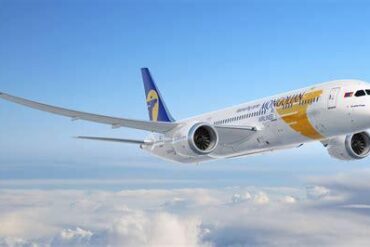
In a strategic bid to deepen regional ties, Mongolian Airlines has launched direct service between Shanghai and Ulaanbaatar, solidifying its footprint in Northeast Asia. This new link follows the carrier’s steady expansion into other major Chinese cities, including Beijing, Guangzhou, Hong Kong, and Hohhot. A forthcoming route between Ulaanbaatar and Erenhot in Inner Mongolia further illustrates Mongolia’s commitment to regional integration and economic collaboration.
This expanding web of routes represents more than just passenger movement—it signals a revitalized diplomatic and economic alliance across the Sino-Mongolian frontier, with air travel acting as the catalyst for commerce, tourism, and cultural exchange.
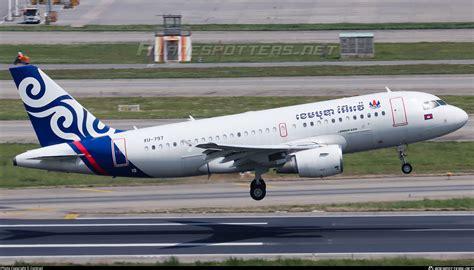
Cambodia Airways and Maldivian Airlines Target South China Access
Southeast Asian and Indian Ocean carriers are also turning to Shenzhen as a strategic entry point into China. Cambodia Airways will soon initiate flights between Phnom Penh and Shenzhen, while Maldivian Airlines is preparing to connect Malé to Shenzhen. These moves position Shenzhen as a pivotal node in South-South aviation flows, appealing to tourists, expatriates, and business professionals across the ASEAN and South Asia regions.
The combined effect of these new routes is expected to lift Shenzhen’s total number of international and regional destinations served to over 50 this season—a remarkable milestone that reflects skyrocketing airline confidence in the Pearl River Delta’s economic magnetism.
Shenzhen’s Meteoric Rise: From Domestic Stronghold to Global Gateway
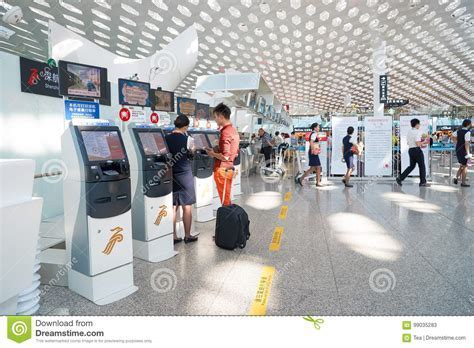
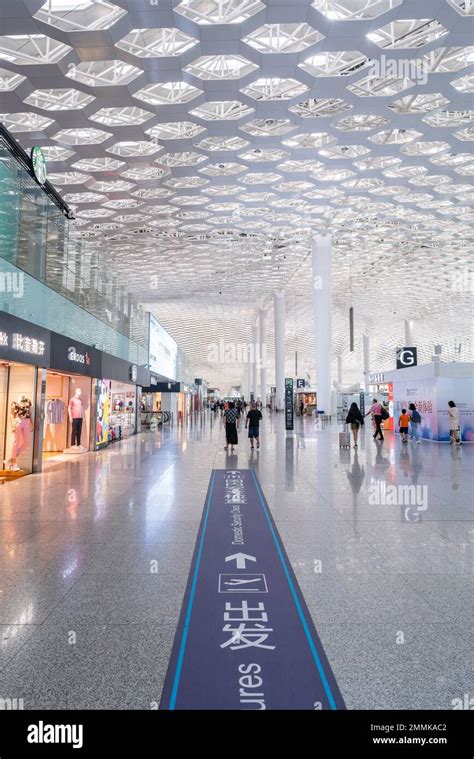
Once seen as a domestic hub catering primarily to mainland Chinese travelers, Shenzhen Bao’an International Airport is now reshaping its identity into a formidable international powerhouse. This transformation is being driven by multiple factors: the city’s proximity to Hong Kong, its role as a tech manufacturing titan, and its central position in the Greater Bay Area development blueprint.
As Emirates, Cambodia Airways, and Maldivian Airlines add new flights, Shenzhen joins the ranks of Beijing, Shanghai, and Guangzhou as the fourth primary gateway into China for major international carriers. With its strategic location and economic dynamism, Shenzhen is uniquely poised to absorb overflow from neighboring airports while carving its own niche as a next-gen aviation hub.
Shanghai Leads Traffic Volume Surge, Reclaiming Global Status
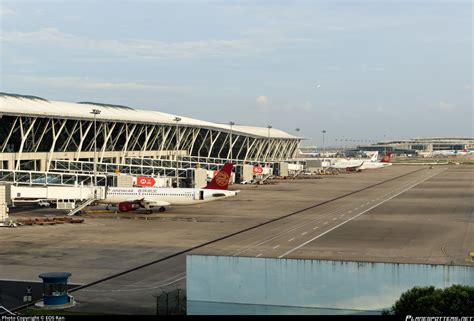
While Shenzhen gains new ground, Shanghai remains the titan of Chinese aviation, with both Hongqiao and Pudong airports preparing for record-breaking traffic. The summer of 2025 is forecast to bring nearly 150,000 flights through the city’s dual airports—a 5% increase from 2024. Passenger traffic is projected to hit 24.55 million, up 7% year-on-year.
This surge reaffirms Shanghai’s global status not just as a logistics and cargo behemoth, but as a fully recovered and thriving node in the international air network. The city’s ability to absorb this volume without operational disruptions is testament to China’s robust aviation infrastructure and strategic planning.
Travel Agencies Report Outbound Travel Boom
In tandem with airline expansions, Chinese travel agencies are reporting a dramatic uptick in outbound travel bookings. Years of pent-up demand, newly relaxed visa policies, and increased flight availability are creating a perfect storm for international travel.
Destinations in Europe, North America, Southeast Asia, and the Middle East are once again attracting Chinese tourists. According to several agency spokespeople, travel interest has returned not just to pre-pandemic levels but is in many cases surpassing them. Young travelers in particular are eager to explore global events, cultural festivals, and study abroad opportunities—a trend airlines are closely monitoring to fine-tune future route expansions.
Conversely, inbound tourism into China is also making a notable comeback. As foreign carriers resume service and new international routes debut, the volume of international tourists visiting China’s major cities, scenic provinces, and heritage sites is beginning to climb. This two-way traffic resurgence is breathing life back into local economies, hotels, tour operators, and cultural venues across the country.
Strategic Timelines and Route Launches for Summer 2025
Several notable route launch timelines are shaping the 2025 aviation landscape:
- Mongolian Airlines inaugurated the Shanghai ⇄ Ulaanbaatar service in July.
- Delta Air Lines will run a limited-time Shanghai ⇄ Las Vegas flight for CES 2026.
- Emirates started its Dubai ⇄ Shenzhen daily route this July.
- Cambodia Airways and Maldivian Airlines are beginning service to Shenzhen this month, targeting untapped markets in Southeast Asia and the Indian Ocean.
These additions are transforming China’s international air corridors and aligning closely with economic diplomacy initiatives, such as the Belt and Road Initiative and emerging regional free trade agreements.
China Reasserts Aviation Dominance on the Global Stage
The convergence of airline investment, regional strategy, and passenger enthusiasm marks a decisive return of China to the center of global aviation. Airlines that had once paused or scaled back operations are now doubling down, with China’s vast consumer base, expanding middle class, and geopolitical influence offering unmatched opportunities.
China’s re-entry into the upper echelon of international air travel is no longer speculative—it’s fully underway. With new gateways like Shenzhen, strongholds like Shanghai, and innovative route strategies from carriers like Delta, Emirates, and Mongolian Airlines, the country’s skies are buzzing with renewed purpose.
As summer 2025 unfolds, China isn’t just reopening its airports—it’s reasserting its role as an essential artery of global movement, trade, and tourism.