The travel industry in Afghanistan has recently experienced an unprecedented surge, witnessing a staggering 500% increase in air traffic over the past week. This remarkable uptick, which averages 280 flights daily, is primarily attributed to the ongoing conflict between Israel and Iran that began on June 13, 2025. As tensions escalate in the region, airlines are seeking safer alternative flight paths, turning to Afghanistan’s airspace to maintain crucial connections between Asia, Europe, and the United States.
Escalating Conflict and Shifting Flight Patterns
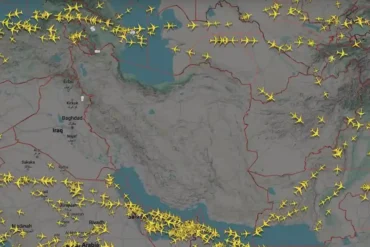
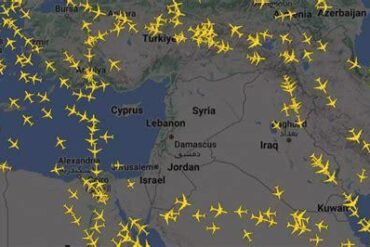
As the situation in the Middle East intensifies, with Israel’s military actions in Iran, airlines have found themselves in a precarious position, compelled to adjust their flight paths to avoid the now-restricted airspace over large parts of the region. Historically, the Middle East has been one of the busiest corridors for commercial aviation, but the recent hostilities have led to significant disruptions. Flight tracking data from Flightradar24 shows that flights over Afghanistan have surged dramatically, increasing from just 50 flights per day last month to approximately 280 flights daily now. This shift highlights the unpredictable nature of global aviation dynamics, particularly as airlines scramble to ensure passenger safety amid rising geopolitical tensions.
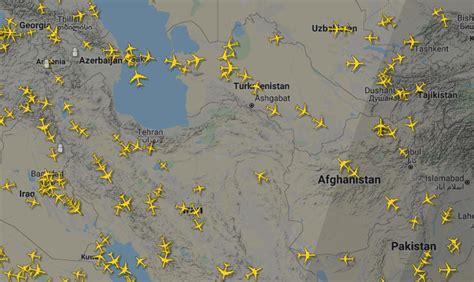
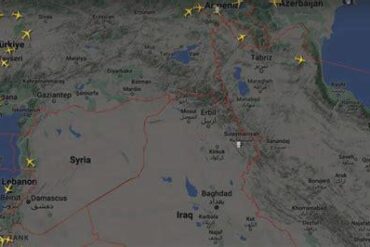
The decision to reroute through Afghanistan, a country long avoided by many carriers due to security concerns, underscores the pressing need for airlines to adapt to the evolving political landscape. With large portions of airspace in Lebanon, Syria, Iraq, and Iran effectively closed to commercial flights, Afghanistan has emerged as a vital alternative route, connecting major regions and facilitating international travel.
A Complex Landscape for Airlines
Navigating Afghanistan’s airspace presents unique challenges for airlines. Although the country’s skies have become more accessible since 2023, when restrictions on air travel were eased, many airlines remain hesitant to operate in this volatile environment. The Taliban’s controversial governance complicates matters further, as airlines must contend with the inherent risks associated with flying over a nation grappling with ongoing instability.
Despite these hurdles, the surge in air traffic represents a critical lifeline for airlines desperate to maintain their international schedules. The conflict has forced carriers to recalibrate their operations, leading to a significant increase in flights traversing Afghan airspace as they seek to bypass the increasingly perilous zones of the Middle East.
Financial Implications of Increased Air Traffic
This sudden influx of air traffic has not only transformed Afghanistan into a bustling corridor for international flights but has also created a financial boon for the Taliban. The group charges a fee of $700 for each flight that passes through its airspace, collected through third-party intermediaries. Given the dramatic rise in flight numbers, this revenue stream is projected to exceed $1 million per week, significantly bolstering the Taliban’s financial resources. While some view this as a windfall for the group, it raises ethical concerns about the implications of supporting a regime with such a controversial history.
Airlines, however, find themselves in a bind; they must pay the fee to continue operating in the region and maintain their schedules, underscoring the complexities of navigating air travel in a politically charged environment. As the global aviation landscape shifts, the economic realities of flying over Afghanistan will continue to spark debate and discussion among industry stakeholders.
Navigating Challenges Ahead
While the current surge in air traffic over Afghanistan offers a vital alternative route for airlines, it is not without its challenges. The country’s infrastructure remains underdeveloped, and flight crews face a complex airspace that can be unpredictable. Additionally, the political and security risks associated with operating under Taliban control present a significant dilemma for airlines. The reality is that while Afghanistan’s airspace is becoming increasingly utilized, airlines must remain vigilant and adaptable to the fluid nature of the geopolitical climate.
As the conflict between Israel and Iran shows no signs of abating, it is likely that airlines will continue to adjust their flight paths to avoid the Middle East’s volatile zones. Afghanistan’s emerging role in the global aviation landscape is expected to be a key factor in how airlines operate in the coming weeks and months. With the dynamics of international air travel constantly evolving, airlines must stay informed and prepared to navigate these complexities.
Conclusion: A New Chapter for Afghanistan’s Travel Industry
The dramatic increase in air traffic over Afghanistan is a direct response to the escalating tensions in the Middle East, representing a significant shift in global aviation strategies. As airlines adjust their routes to circumvent restricted airspace, Afghanistan has emerged as a crucial air corridor, providing essential connectivity for international travelers. While this surge presents financial opportunities for the Taliban, it also introduces new challenges for airlines as they grapple with the realities of operating in a politically unstable environment.
As the situation continues to unfold, the travel industry in Afghanistan is poised for a new chapter, one that will require careful navigation through a landscape fraught with uncertainty and risk. The coming weeks will be critical in determining how airlines adapt to these changes and what impact they will have on the broader aviation industry.