MIAT Mongolian Airlines, the national flag carrier of Mongolia, stands as a proud symbol of the nation’s journey into the globalized world. With its primary hub at the Chinggis Khaan International Airport (UBN) in Sergelen, near the capital Ulaanbaatar, MIAT has evolved from humble beginnings to become a vital conduit for commerce, tourism, and cultural exchange. Its story is one of resilience, adaptation, and ambitious growth, reflecting Mongolia’s own dynamic transformation on the world stage. Operating scheduled international and domestic services, MIAT, an acronym for Mongolyn Irgenii Agaaryn Teever (Mongolian Civil Air Transport), has not only connected the vast and diverse landscapes of Mongolia but has also steadily expanded its reach across Asia and Europe, with aspirations reaching even further.
The Dawn of Mongolian Aviation: From Steppes to Skies
The genesis of aviation in Mongolia can be traced back to May 25, 1925, a landmark day when a Junkers F 13 aircraft, a gift from the USSR to the Mongolian People’s Republic, touched down in Ulaanbaatar. This event marked the symbolic beginning of Mongolia’s engagement with air travel. However, it wasn’t until two decades later, in 1946, that more structured aviation operations commenced with the establishment of the Civil Air Transport Department. Initially equipped with a modest fleet of eight aircraft, this department began the crucial work of connecting Ulaanbaatar with nearby provinces such as Selenge, Bulgan, Arkhangai, Övörkhangai, Khentii, Sükhbaatar, and Dornod. Beyond these scheduled routes, it also undertook limited charter and vital unscheduled airmail flights, bridging the communication gap to more isolated regions of the vast country.
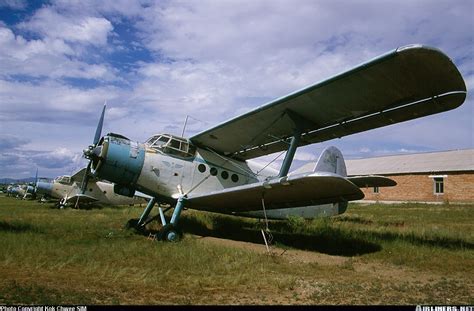
The pivotal moment for regularized air services arrived in 1955, when the first cohort of Mongolian flight crew members was dispatched to Irkutsk for comprehensive training on Antonov An-2 operations. Their successful graduation the following year paved the way for the official commencement of regular domestic services. On July 7, 1956, MIAT, as it would come to be known, launched its inaugural scheduled flight using an Antonov An-2 aircraft, connecting Ulaanbaatar with Irkutsk in the Soviet Union, marking its first international foray. The fleet and operational capabilities saw further enhancement with the introduction of the Ilyushin Il-14 in 1957. By 1958, MIAT’s fleet had grown to include 14 Antonov An-2s and seven Ilyushin Il-14s, significantly bolstering its capacity to serve the nation. The acquisition of the first Antonov An-24 turboprop aircraft in 1964 represented another technological step forward, followed by the addition of An-26 twin-turboprops in the same era. By 1970, MIAT’s domestic network was impressively extensive, serving approximately 130 distinct airfields across Mongolia. Flights from Ulaanbaatar to provincial centers, which accounted for 70% of its passenger traffic, operated four to six times a week, while services from provincial centers to smaller sum centers ran two to three times weekly. The airline took a significant leap into the jet age in 1987 when it began regular international operations to Moscow, Irkutsk, and Beijing, utilizing its first jet aircraft, a Tupolev Tu-154 leased from Aeroflot. This expansion also saw the opening of MIAT representative offices in these three key international cities, solidifying its presence beyond Mongolian borders.
Navigating the Post-Communist Era: Expansion and Modernization
The fall of communism brought significant changes and opportunities for MIAT. In 1992, the airline diversified its fleet by purchasing five Chinese Harbin Y-12 commuter aircraft, specifically to enhance its domestic flight capabilities. This period also saw a notable act of international goodwill when the president of the Hanjin Group, the parent company of Korean Air, gifted a Boeing 727-200 to MIAT. This was subsequently supplemented by the acquisition of two more Boeing 727-200s, which served the airline reliably until 2003. A crucial administrative milestone was reached in 1993 when MIAT was officially restructured as an independent state-owned enterprise, granting it greater autonomy in its operations and strategic planning. This newfound independence spurred further international expansion. Regular flights to Seoul commenced in 1995, followed by the inauguration of routes to Berlin and Osaka in 1996, significantly broadening MIAT’s international footprint beyond its traditional sphere of Soviet and Chinese influence. The airline embraced Western aircraft technology more directly in 1998 with the lease of an Airbus A310, its first aircraft from the European manufacturer. The 1990s, however, were also a challenging period for MIAT in terms of its safety record, with four separate crashes involving An-2, An-24, and Harbin Y-12 aircraft, resulting in a tragic loss of 139 lives. The last fatal accident occurred in 1998, after which the airline has maintained a fatality-free record in its commercial passenger operations. To replace its aging Boeing 727-200 fleet, MIAT leased a Boeing 737 in 2002, the same year it introduced flights to Tokyo, further strengthening its East Asian network. Between 2003 and 2008, MIAT systematically retired its fleet of Antonov An-24 and An-26 aircraft, marking a transition towards a more modern, predominantly Western-built fleet for its main operations. In April 2008, the airline received its second Boeing 737-800 aircraft, leased from CIT Aerospace. A significant shift in domestic strategy occurred in July 2008 when MIAT temporarily ended all scheduled domestic flights, though it briefly resumed services to Mörön and Khovd in June 2009. The airline explored new charter markets in late 2009, operating flights to Hong Kong and Sanya, a popular resort destination in Hainan, China. Operational stability was briefly challenged in June 2010 due to a mechanics’ strike, but the situation was resolved with changes in key management positions, including the CEO and Technical Director.

Embracing an All-Boeing Future and Strategic Growth
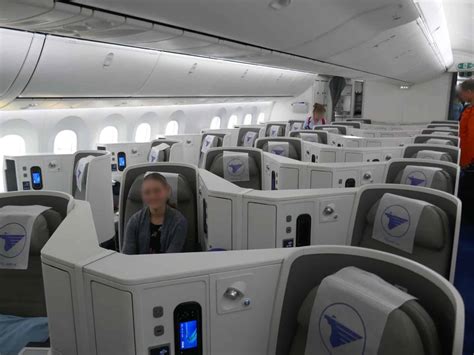
The early 2010s marked a significant phase of fleet modernization and strategic alignment, predominantly towards Boeing aircraft. In early 2011, MIAT Mongolian Airlines signed a crucial agreement with Air Lease Corporation to lease two former China Eastern Airlines Boeing 767-300ERs. The first of these wide-body aircraft entered service in May 2011, followed by the second in November 2011, substantially enhancing MIAT’s long-haul capabilities. This move coincided with the retirement of the Airbus A310 in 2011, after 13 years of service, streamlining the fleet further. A landmark decision came in June 2011 when MIAT not only commenced regular flights to Hong Kong but also placed a direct order with Boeing for new aircraft – a Boeing 767-300ER and two Boeing 737-800s, slated for delivery in 2013 and 2016 respectively. This was a momentous step, as it marked the first time in two decades that MIAT opted to expand its fleet by purchasing new aircraft directly from the manufacturer, rather than relying solely on leases. This signaled a new era of financial confidence and long-term planning. Further network expansion was announced in January 2019, with plans to launch flights to Shanghai and Guangzhou in China starting in the summer of that year. Complementing this route expansion, MIAT also announced the leasing of three Boeing 737 MAX aircraft, with deliveries anticipated in January, May, and October 2019. These new-generation narrow-body jets were intended to replace two older aircraft whose leases were expiring and to support the airline’s growth. The airline also began implementing a self-checking system to enhance operational efficiency. The ambition for long-haul growth was further underscored in 2019 with the announcement that MIAT had secured a Boeing 787-9 Dreamliner on lease from Air Lease Corporation, with an initial delivery target of 2021. This plan, however, faced disruption due to the global COVID-19 pandemic, leading to a modified order for two Boeing 787-9s, with revised delivery timelines starting in 2023. These state-of-the-art aircraft were earmarked for key routes, including potential services to Shanghai-Pudong, Ho Chi Minh City, Singapore, and, ambitiously, San Francisco.

Resilience Amidst Pandemic and Post-Pandemic Resurgence
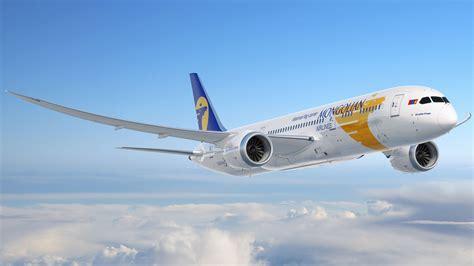
The COVID-19 pandemic presented unprecedented challenges to the global aviation industry, and MIAT Mongolian Airlines was no exception. However, the airline demonstrated remarkable resilience and adaptability. On June 21, 2020, MIAT operated a historic flight, performing the first-ever non-stop journey between Mongolia and North America. This flight, conducted with a Boeing 767-300, flew from Ulaanbaatar to Seattle primarily for repatriation and aid purposes, showcasing the airline’s capability and commitment during a global crisis. Throughout the pandemic, MIAT continued to operate similar crucial repatriation and charter services, extending its reach to unprecedented destinations. These included flights to Sydney, Australia, and Johannesburg, South Africa, marking the airline’s first-ever operations to the continents of Australia and Africa. In a significant operational note, in October 2022, MIAT became the first international carrier to fly a Boeing 737 MAX into China after the Chinese aviation regulator had grounded all 737 MAX aircraft in March 2019, signaling a cautious return to normalcy and trust in the aircraft type. As global travel began to recover, MIAT strategically focused on both international and domestic expansion. Starting in June 2023, the airline resumed and significantly expanded its domestic operations. This initiative saw the launch of flights to seven new destinations within Mongolia and the restarting of services to Khovd and Mörön after a 15-year hiatus. This domestic push was strategically aligned with the Mongolian government’s ‘2023-2025 – The Years to Visit Mongolia’ program, aimed at promoting and supporting tourism across the nation. To support this increased operational tempo, MIAT wet-leased a Bombardier CRJ-200 and an additional Boeing 767 to boost capacity. The modernization of its long-haul fleet continued with the arrival of its first Boeing 787-9 Dreamliner in August 2023, followed by a second in April 2024. These advanced aircraft were initially deployed on key routes to Frankfurt, Istanbul, and Seoul, offering enhanced passenger comfort and operational efficiency. Further strengthening its domestic and regional capabilities, MIAT received its first Bombardier CRJ700 in April 2024. This aircraft, operating under the new “MIAT Regional” branding, is dedicated to domestic routes, increasing frequency and connectivity within Mongolia.
MIAT’s Expanding Horizons: Destinations and Transit Hub Aspirations
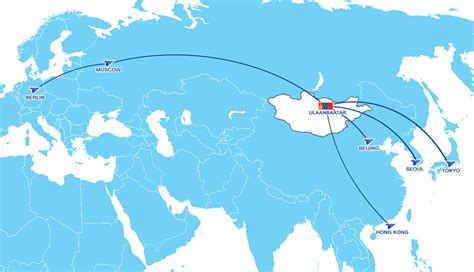
As of late 2023 and into 2024, MIAT Mongolian Airlines serves a growing network of international and domestic destinations, reflecting its strategic importance to Mongolia. The airline’s international network is a testament to its global outreach:
- China: Beijing (Beijing Capital International Airport), Guangzhou (Guangzhou Baiyun International Airport). Shanghai (Shanghai Pudong International Airport) is slated to begin on July 2, 2025.
- Germany: Frankfurt (Frankfurt Airport).
- Hong Kong: Hong Kong (Hong Kong International Airport).
- Japan: Osaka (Kansai International Airport – seasonal), Tokyo (Narita International Airport).
- South Korea: Busan (Gimhae International Airport), Seoul (Incheon International Airport).
- Thailand: Bangkok (Suvarnabhumi Airport – seasonal), Phuket (Phuket International Airport – seasonal).
- Turkey: Istanbul (Istanbul Airport).
- Vietnam: Ho Chi Minh City (Tan Son Nhat International Airport – seasonal).
Domestically, MIAT has significantly revitalized its services, connecting Ulaanbaatar’s Chinggis Khaan International Airport (Hub) with key regional centers including:
- Altai (Altai Airport)
- Dalanzadgad (Dalanzadgad Airport)
- Khovd (Khovd Airport)
- Mörön (Mörön Airport)
- Ölgii (Ölgii Airport)
- Ulaangom (Ulaangom Airport)
- Uliastai (Donoi Airport)
MIAT Mongolian Airlines harbors ambitious plans to transform Mongolia into a significant air transit hub, capitalizing on its unique geographical position nestled between Europe and Asia. The airline aims to dramatically increase its transit passenger numbers, targeting 24,000 such passengers in 2024 alone, and projects a substantial revenue boost of 1 trillion MNT (approximately $333 million USD) from this initiative. This vision involves considerable infrastructure upgrades at the new Chinggis Khaan International Airport, enhanced global marketing strategies, and the formation of strategic partnerships. By offering competitive pricing and maintaining high service standards, MIAT, in conjunction with Mongolian aviation authorities, aims to position Mongolia as a viable and attractive alternative to established transit hubs in the region.
Strategic Alliances: Enhancing Global Connectivity through Codeshares
To broaden its network reach and offer passengers a wider array of travel options, MIAT Mongolian Airlines has established codeshare agreements with several prominent international airlines. These partnerships allow MIAT to market flights operated by partner airlines under its own ‘OM’ flight code, and vice-versa, facilitating seamless travel experiences for customers. As of early 2024, MIAT’s key codeshare partners include:
- Aeroflot: Providing access to Russia and beyond.
- Air China: Enhancing connectivity within China and to other global destinations served by Air China.
- Cathay Pacific: Offering connections through Hong Kong to Australasia, North America, and other parts of Asia.
- Japan Airlines: Strengthening links with Japan and facilitating onward travel via JAL’s extensive network.
- Korean Air: Providing extensive connections through Seoul’s Incheon hub to North America, Asia, and Oceania.
- Turkish Airlines: Offering access to a vast global network via Istanbul, particularly to Europe, Africa, and the Middle East.
These agreements are crucial for MIAT’s strategy to increase passenger traffic, especially transit passengers, by leveraging the established networks of its partners.
The Wings of Mongolia: A Look at MIAT’s Fleet
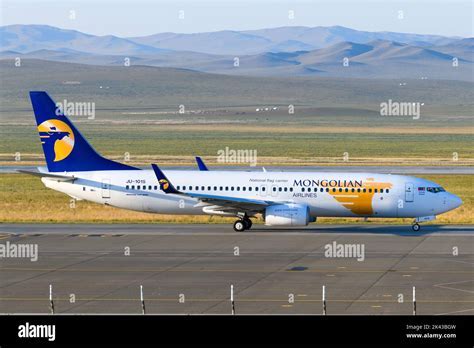
MIAT Mongolian Airlines operates a progressively modernizing fleet, carefully selected to meet the demands of its diverse route network, from short domestic hops to long-haul international flights. As of February 2025, the airline’s fleet comprises the following aircraft:
MIAT Mongolian Airlines Passenger Fleet:
- Boeing 737-800: 3 aircraft. These are configured with typically 12 business class seats and 150 or 156 economy class seats, totaling 162 or 168 passengers, or in an all-economy layout for 174 passengers.
- Boeing 737 MAX 8: 1 aircraft in service, with 3 more on order. These feature 12 business class seats and 150 economy class seats, for a total of 162 passengers.
- Boeing 767-300ER: 1 aircraft. This wide-body jet is configured with 15 business class seats and 237 economy class seats, accommodating 252 passengers.
- Boeing 787-9 Dreamliner: 2 aircraft. These state-of-the-art jets offer a premium experience with configurations including 30 business, 36 premium economy, and 226 economy seats, totaling 292 passengers.
- Bombardier CRJ700: 1 aircraft, operating under “MIAT Regional” branding, with 70 economy seats for domestic routes.
MIAT Mongolian Airlines Cargo Fleet:
- Boeing 757-200PCF: 1 dedicated freighter aircraft, underscoring MIAT’s commitment to growing its cargo operations.
Total Fleet: 9 passenger aircraft and 1 cargo aircraft, with 3 Boeing 737 MAX 8 aircraft on order.
Throughout its history, MIAT has operated a diverse range of aircraft types, reflecting the technological advancements and changing operational needs over the decades. Its former fleet includes notable Soviet-era aircraft such as the Antonov An-2, An-24, An-26, An-30, Ilyushin Il-14, Tupolev Tu-154, and Yakovlev Yak-12, as well as Mil Mi-4 and Mi-8 helicopters, and the Polikarpov Po-2. Western and other types previously operated include the Aero Ae-45, Airbus A310-300, Airbus A330-300 (often wet-leased), Boeing 727-200, Boeing 737-500, Boeing 737-700, Bombardier CRJ200, Harbin Y-12, and Kamov Ka-26 helicopters.
Acknowledging the Past: Safety and Operational History
Like many long-standing national carriers, MIAT Mongolian Airlines’ operational history includes periods with safety challenges, particularly during its earlier decades when operating older generation aircraft in demanding conditions. The airline has experienced several incidents and accidents since its inception. It is important to acknowledge these events as part of its comprehensive history:
- August 4, 1963: An Avia 14 Super (MONGOL-105) struck Otgontenger mountain, resulting in at least two fatalities. Reports suggest over 40 people were on board a flight from Ulaanbaatar to Uvs and Hovd.
- September 17, 1973: An Antonov An-24B (BNMAU-4206) impacted a mountainside in Khovd Province during descent.
- May 1, 1979: An Antonov An-24B (BNMAU-1202) veered off the runway upon landing at Erdenet Airport.
- October 31, 1981: A PZL-Mielec An-2R (MONGOL-613) crashed in Sükhbaatar Province.
- June 25, 1983: An Antonov An-24RV (BNMAU-8401) ran off the runway at Buyant-Ukhaa International Airport after an engine failure on final approach; all 47 on board survived, though the aircraft was substantially damaged.
- April 1985: An Antonov An-24RV (BNMAU-10207) reportedly crashed on approach in Khovsgol Province.
- 1985: An Antonov An-24RV (BNMAU-10210) made a forced landing in Khovsgol Province after an inadvertent dual engine shutdown during a steep approach, resulting in a write-off.
- January 23, 1987: An Antonov An-24RV (BNMAU-7710) crashed on landing at Buyant-Ukhaa International Airport; no casualties were reported.
- January 26, 1990: An Antonov An-24RV (BNMAU-10208) force-landed near Ulaangom Airport after the crew couldn’t locate the airport at night; all 41 occupants survived.
- December 5, 1992: A Harbin Y-12 II (D-0066) crashed during takeoff from Choibalsan Airport.
- April 23, 1993: An Antonov An-26 (BNMAU-14102) struck Marz Mountain during descent into Ölgii Airport, tragically killing all 32 on board. The crew had initiated descent prematurely.
- September 21, 1995: MIAT Flight 557, an Antonov An-24RV (BNMAU-10103), crashed into a mountain near Choho Geologoh Uul during its approach to Mörön Airport. Of the 43 people on board, only one passenger survived. This remains Mongolia’s deadliest air disaster.
- June 10, 1997: MIAT Flight 447, a Harbin Y-12-II (JU-1020), crashed after losing control due to wind shear on final approach to Mandalgovi Airport, killing seven of the 12 occupants.
- May 26, 1998: A Harbin Y-12 (JU-1017) crashed into a mountain near Erdenet due to pilot error, resulting in the deaths of all 28 passengers and crew.
- January 14, 2001: A Mil Mi-8T helicopter (JU-1025), operating for the United Nations, spun into the ground from 50 meters and exploded near Malchin district, killing nine of the 23 people on board.
- May 3, 2016: A Boeing 737-8CX (EI-CXV, likely a leased aircraft) veered off the runway during takeoff from Khovd Airport; all 111 on board survived without serious injury.
It is crucial to note that since the late 1990s, and particularly with the modernization of its fleet and operational practices, MIAT Mongolian Airlines has significantly enhanced its safety standards and has maintained a strong safety record in its commercial passenger jet operations for over two decades. The airline continues to invest in training, maintenance, and modern aircraft to uphold international safety benchmarks.
MIAT: Mongolia’s Enduring Connection to the World
From its early days connecting remote domestic settlements with rugged Antonov aircraft to its current operations spanning continents with modern Boeing jets, MIAT Mongolian Airlines has mirrored Mongolia’s own journey of opening up to the world. As the state-owned national airline, it carries not just passengers and cargo, but also the aspirations of a nation. Led by key figures such as CEO Munkhtamir Batbayar, COO Gantulga Baasanjav, CFO Tsegts Narangerel, CCO Batdari Namhaijantsan, and CAO Munkhmaral Enkhbaatar, and supported by its dedicated team of over 1400 employees, MIAT is focused on a future of sustainable growth. Its Blue Sky Mongolia frequent-flyer program aims to reward loyal customers as the airline expands its services. With the strategic development of Chinggis Khaan International Airport as a potential transit hub, the continued modernization of its fleet with aircraft like the Boeing 787 Dreamliner, and a renewed focus on both domestic and international connectivity, MIAT Mongolian Airlines is poised to play an even more significant role in the economic and social development of Mongolia, truly serving as its flag carrier on the global stage.