The Timeless Allure of Aviation in Cinema
The fusion of flight and film has long captivated audiences with stories that touch on courage, innovation, tragedy, and triumph. From historical reenactments of World War aviation to emotional dramas unfolding 30,000 feet in the air, aviation movies are a distinct genre that leverage the awe of flight to explore the depth of human emotion and ambition.
The period between 2000 and 2017 witnessed a cinematic renaissance in aviation storytelling, blending advanced cinematography with historically grounded or adrenaline-fueled narratives. These films transcend genres—biopic, thriller, war drama, and animation—all while elevating the pivotal role of aviation.
Character Studies at 30,000 Feet
One of the most compelling dimensions of aviation films is their ability to dissect human psychology under extreme conditions. In Up in the Air (2009), director Jason Reitman explores the emotional isolation and existential crisis of corporate downsizing through the lens of frequent flyer Ryan Bingham, portrayed by George Clooney. While not an aviation thriller per se, the film uses the backdrop of constant air travel as a metaphor for disconnection and impermanence.
Similarly, Flight (2012), directed by Robert Zemeckis, delves into the moral ambiguity of pilot Whip Whitaker (Denzel Washington), who saves countless lives with a risky maneuver, only to face scrutiny for his substance abuse. The technical accuracy of the crash sequence combined with Washington’s emotionally layered performance cemented this film as a modern classic in aviation cinema.
Animation Soars to New Heights
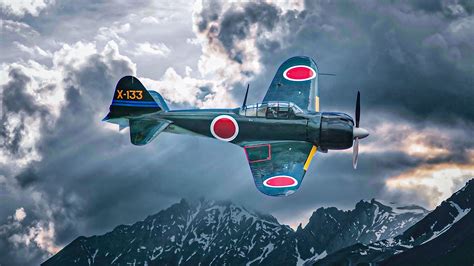
Aviation in animated cinema takes a more symbolic, often poetic form. Studio Ghibli’s The Wind Rises (2013), directed by Hayao Miyazaki, is a visually rich narrative that follows the life of Jiro Horikoshi, the aeronautical engineer behind Japan’s WWII Zero fighter planes. While the story remains rooted in historical context, Miyazaki’s dream-like direction infuses the narrative with romance and melancholic introspection.
War Films and Aerial Combat Realism
The canvas of war aviation films provides a stage for immersive storytelling and edge-of-seat aerial choreography. Dunkirk (2017) by Christopher Nolan is a masterclass in practical effects and non-linear storytelling, with Tom Hardy piloting a Spitfire in one of the most visually striking and suspenseful sequences in modern war cinema.
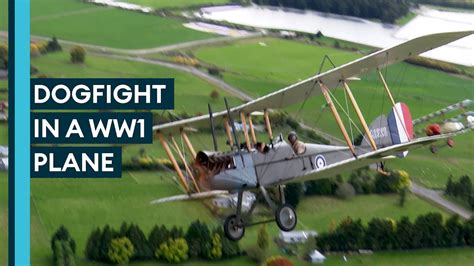
The Red Baron (2008) portrays Manfred von Richthofen, the infamous German WWI ace, and blends historical legend with the psychological toll of mechanized warfare. Likewise, Flyboys (2006) chronicles the Lafayette Escadrille, a group of American volunteers flying for France in WWI. These films go beyond spectacle, revealing how war distorts identity and tests camaraderie among airmen.
Biopics that Honor Aviation Legends
Biographical films provide fertile ground for chronicling the lives of aviation pioneers. The Aviator (2004), directed by Martin Scorsese and starring Leonardo DiCaprio as Howard Hughes, captures the eccentric genius of one of America’s most ambitious figures. From record-breaking flights to debilitating OCD, the film is a sprawling chronicle of innovation and psychological decline.
Amelia (2009) offers a different perspective, focusing on Amelia Earhart’s final flight. While the film received mixed reviews, Hilary Swank’s portrayal brings nuance to the mystique of one of aviation’s most iconic women. Together, these films honor figures who risked everything to push the limits of human flight.
Real-Time Catastrophe and Heroism
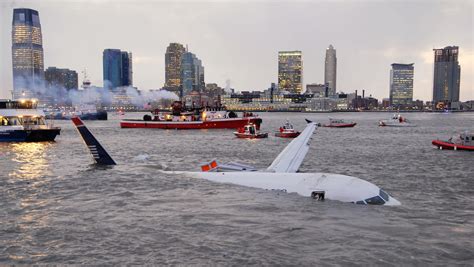
Films that depict aviation disasters are often lauded for their technical precision and emotional resonance. Sully (2016), directed by Clint Eastwood, is an exemplary case, dramatizing the real-life emergency water landing on the Hudson River by Captain Chesley “Sully” Sullenberger. The film balances procedural investigation with an intimate character portrait, anchored by Tom Hanks’ quiet but compelling performance.
Another standout is United 93 (2006), which offers a harrowing real-time recreation of the 9/11 hijacked flight. Paul Greengrass uses handheld cinematography and a documentary style to honor the bravery of passengers who fought back. The result is a respectful and sobering cinematic experience that refuses sensationalism.
High-Octane Thrillers in the Sky
The skies also serve as a theater for suspense and action. Non-Stop (2014), starring Liam Neeson, blends whodunit tension with in-flight drama. As an air marshal trying to uncover a terrorist plot mid-flight, Neeson’s character is both action hero and detective, navigating claustrophobic chaos at 30,000 feet.
Flightplan (2005) with Jodie Foster similarly turns the plane cabin into a psychological labyrinth. The disappearance of her daughter during a transatlantic flight triggers a gripping descent into paranoia and gaslighting, with high-stakes twists unfolding against the sterile interior of an aircraft.
Cultural and Political Dimensions
Several aviation films navigate geopolitical landscapes. American Made (2017), featuring Tom Cruise, dramatizes the life of Barry Seal, a pilot turned CIA asset and drug smuggler. The film exposes the tangled web of covert operations and illicit trafficking, painting a satirical portrait of U.S. foreign policy during the 1980s.
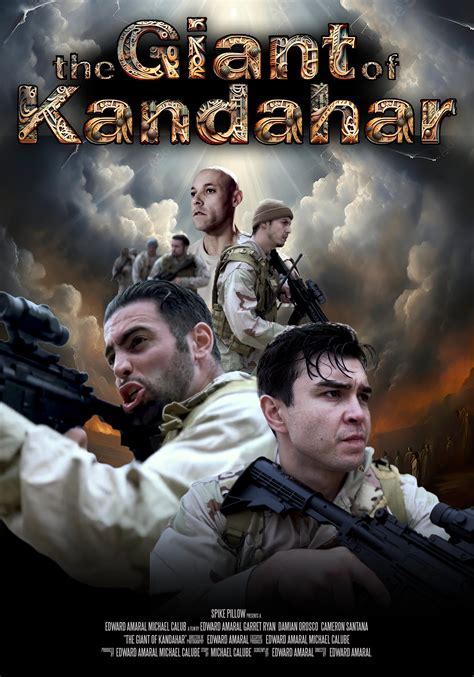
Kandahar (2010) explores the real-life captivity of Russian pilots in Taliban-controlled Afghanistan. The film blends military tension with introspection on captivity, honor, and survival. Likewise, Into the White (2012) crafts an intimate WWII tale of British and German pilots who must coexist in the Norwegian wilderness to survive, showing that shared humanity can transcend conflict.
Comedic and Experimental Aviation Tales
Not all aviation films dwell in drama. I’m So Excited! (2013), directed by Pedro Almodóvar, is a surreal and campy take on airline panic. With its flamboyant characters and absurdist humor, the film satirizes society’s psychological escapism while mocking the absurd rituals of commercial air travel.
The Terminal (2004), though grounded in an airport, examines the liminal space between nations, laws, and lives. Tom Hanks plays Viktor Navorski, a man caught in international limbo. The film balances humor and poignancy, becoming a meditation on statelessness and resilience.
Romanticism and Memory in the Air
Aviation and romance are deeply intertwined in films like Beautiful Dreamer (2006), which tells the story of a pilot with amnesia and the woman determined to reconnect with him. These narratives draw on nostalgia and wartime separation, making aviation a powerful metaphor for longing and rediscovery.
Red Tails (2012), centered on the Tuskegee Airmen, also weaves themes of loyalty, honor, and love amidst airborne combat, celebrating African-American aviators who shattered both racial barriers and enemy lines.
Conclusion: A Genre That Elevates More Than Planes
The best aviation movies are not simply about flying—they are about human endeavor, vulnerability, and transcendence. Whether documenting true events, portraying daring pilots, or crafting fictional suspense at altitude, these films navigate the emotional, historical, and moral dimensions of flight. Between the roar of engines and the silence of the stratosphere, the genre continues to evolve—anchored in reality, yet limitless in imagination.
Frequently Asked Questions
What are the most realistic aviation movies?
Films like Sully and United 93 are widely regarded as highly realistic, with meticulous attention to aviation protocol, cockpit procedures, and actual events. Their use of real-time structure and expert consulting adds credibility.
Are aviation movies historically accurate?
While many aviation films are inspired by true events, creative liberties are often taken. Movies like The Aviator and Amelia blend fact with dramatization to enhance storytelling, though they generally respect historical milestones.
Which aviation film best showcases aerial combat?
Dunkirk, Flyboys, and Red Tails are among the best for visually stunning and intense dogfights. These films use a mix of practical effects and CGI to depict historic aircraft and aerial maneuvers with impressive fidelity.