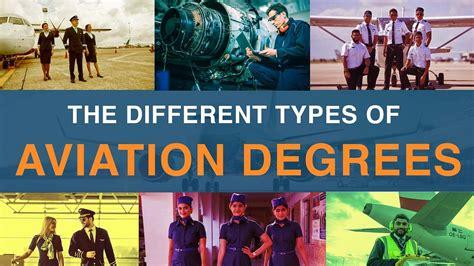
Understanding the Types of Aviation Degrees
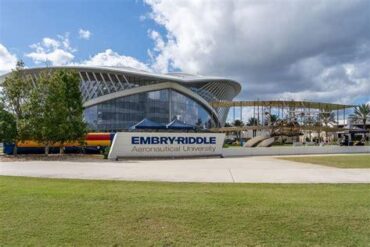
The aviation industry thrives on precision, innovation, and expertise. As global air traffic continues to expand and technology reshapes flight, the demand for educated professionals becomes more urgent. For those aspiring to shape the future of flight, aviation degrees serve as crucial entry points into a range of high-demand careers. At the forefront of aviation education stands Embry–Riddle Aeronautical University, the world’s most comprehensive institution for aerospace and aviation studies.
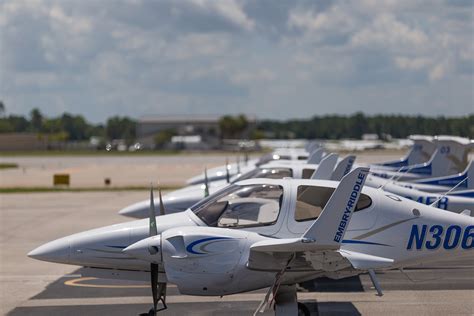
Since its founding in 1926, Embry–Riddle has cultivated the next generation of pilots, air traffic controllers, engineers, and aviation safety experts. Its structured academic pathways span associate, bachelor’s, master’s, and doctoral levels, accommodating full-time students, professionals, and military personnel alike. These degrees, whether pursued in classrooms or via online learning environments, are deeply intertwined with hands-on experience and rigorous research.
Associate Degrees in Aviation: The Foundation for Technical Mastery
Associate-level aviation degrees are tailored for those who wish to enter the aviation workforce swiftly while laying the groundwork for advanced study. They often focus on technical proficiency, safety regulations, and industry standards, offering students practical exposure and core theoretical knowledge.
Embry–Riddle’s associate offerings include:
-
Aeronautics: A flexible, multidisciplinary approach to aviation systems, flight operations, and airspace fundamentals.
-
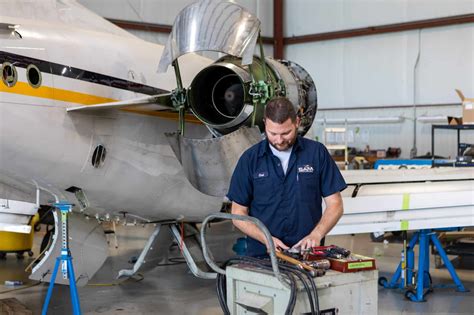
Aviation Maintenance & Aviation Maintenance Science: Programs designed to equip students with the skills necessary for Federal Aviation Administration (FAA) certification, emphasizing aircraft systems, diagnostics, and hands-on repair.
-
Aviation Business Administration: A hybrid of aviation-specific knowledge and business principles.
-
Uncrewed and Autonomous Systems: Addresses the growing need for remote pilot operators and specialists in drone and AI-driven aerial technologies.
These degrees appeal to students aiming for immediate employment in maintenance, operations, or systems support roles within regional and national aviation sectors.
Bachelor’s Degrees in Aviation: Specialization and Flight Readiness
Bachelor’s degrees in aviation offer expansive academic coverage and a deep dive into specialized areas. At Embry–Riddle, these programs blend rigorous theoretical learning with immersive, simulation-based training.
Among the most in-demand programs are:
-
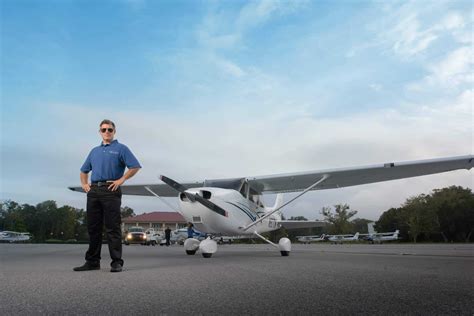
Aeronautical Science – Flight: This degree is the primary academic path to becoming a professional pilot. It integrates FAA-approved flight training with advanced courses in meteorology, navigation, aerodynamics, and safety protocols.
-
Air Traffic Management: Prepares students for FAA Academy post-graduation training. Students use simulators replicating real-world en route, terminal, and control tower environments.
-
Aerospace Engineering and Aerospace Physiology: Ideal for students drawn to the mechanics of flight or human factors in aviation safety.
-
Safety Management and Aviation Safety: Emphasize accident investigation, risk assessment, and regulatory compliance.
-
Uncrewed Aircraft Systems: A cutting-edge program for drone operators and unmanned vehicle strategists, merging robotics, policy, and engineering.
These degrees are structured to produce industry-ready graduates, often leading directly to employment with air carriers, maintenance operations, or regulatory agencies.
Master’s Degrees in Aviation: Leadership and Research Elevation
As the aviation sector expands globally, leadership roles require an advanced understanding of both business strategy and technical expertise. Master’s degrees in aviation address this need, particularly for professionals aiming to move into supervisory, regulatory, or consulting positions.
Embry–Riddle’s graduate offerings include:
-
Aeronautics: A flexible, in-depth program that allows specialization in subjects such as human factors, safety, and space studies.
-
Aviation Safety and Safety Science: Designed for safety professionals seeking expertise in systemic risk mitigation and accident investigation.
-
Airport and Air Mobility Management: Focuses on optimizing airport operations, integrating sustainable infrastructure, and planning for future air mobility systems.
-
Business Administration in Aviation Management: A marriage of MBA principles with industry-specific case studies, strategic planning, and logistics.
-
Uncrewed and Autonomous Systems Engineering: Blends AI, machine learning, and regulatory frameworks for a future in drone integration and defense systems.
Each program is led by seasoned aviation experts and includes opportunities for research, internships, and global collaborations.
Doctoral Degrees in Aviation: Pioneering Research and Policy
At the apex of aviation education lie Ph.D. programs, which position graduates at the intersection of innovation, policy, and education. These are research-intensive degrees that contribute to the global body of knowledge in aviation science, engineering, and economics.
Embry–Riddle offers doctoral degrees in:
-
Aerospace Engineering: Focused on propulsion, fluid dynamics, structural integrity, and systems design.
-
Aviation Business Administration: Examines air transportation systems, global aviation policy, and economic modeling.
-
Aviation (Ph.D.): The first of its kind, this program enables original research in safety, human factors, operations, and emerging technologies.
Doctoral candidates often work closely with international regulatory bodies and industry leaders, shaping the policies and technologies that guide modern aviation.
Certificates and Professional Education: Specialized Aviation Training
Not every career in aviation requires a full degree. For professionals seeking targeted knowledge or FAA-mandated credentials, Embry–Riddle offers certificates and continuing education programs.
Key offerings include:
-
Aircraft Dispatcher and Airworthiness Engineering
-
Aviation Maintenance Technology (Part 65)
-
ISTAT Certified Appraiser Program
-
Uncrewed Systems Technology
Courses are available both in person and online, many of which are designed for working professionals and active-duty military personnel.
Learning Environments: Labs, Aircraft, and Simulators
Embry–Riddle’s commitment to experiential learning is reflected in its world-class facilities:
-
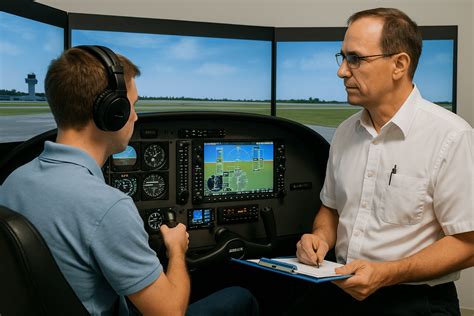
The Daytona Beach campus features FAA Level D full-motion simulators, an expanding aircraft crash forensics lab, and a dedicated Weather Research Center.
-
Prescott, Arizona boasts the Robertson Aircraft Accident Investigation Lab, the only university-based scenario lab of its kind, and advanced meteorology and ATC labs.
-
The Worldwide Campus integrates virtual crash labs and real-time flight simulations using EagleVision technology.
Together, these environments offer students unmatched technical training across all domains of aviation.
Career Outlook for Aviation Graduates
According to Boeing’s 2022 Pilot & Technician Outlook, the next 20 years will see:
-
602,000 new commercial pilots
-
610,000 new aviation technicians
-
899,000 new cabin crew positions
These figures confirm that aviation is not only resilient but expanding rapidly. With globalization, climate adaptation, and autonomous flight on the horizon, qualified professionals in aviation are in higher demand than ever.
An aviation degree from Embry–Riddle opens doors to leading air carriers, aerospace firms, federal agencies, and emerging drone and space operations. With more than 160,000 alumni worldwide, the university’s network strengthens graduates’ placement in top-tier roles.
FAQ
What is the best degree for becoming a pilot?
The Bachelor of Science in Aeronautical Science – Flight is considered the premier degree for aspiring commercial and corporate pilots. It includes FAA-approved flight training and access to advanced simulators and real aircraft, preparing students for licensure and professional roles.
Are aviation degrees worth it?
Absolutely. The aviation industry faces a talent shortage across all sectors—from pilots to air traffic controllers to safety engineers. An aviation degree not only provides technical skillsets but also enhances career prospects and earning potential across the globe.
Can I study aviation online?
Yes. Embry–Riddle offers flexible online aviation degrees through its Worldwide Campus. These programs are ideal for working professionals, veterans, and remote learners, offering the same academic rigor and industry recognition as on-campus degrees.