Understanding the Role of an Aviation Data Analyst
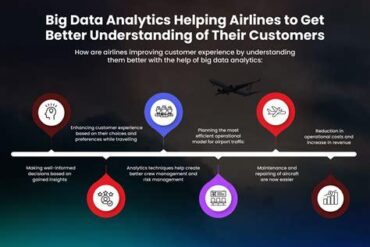
In the modern aviation industry, data is more than just a byproduct of operations — it is a critical asset that drives performance, safety, and profitability. At the center of this data revolution stands the aviation data analyst, a specialist tasked with transforming vast, complex datasets into actionable insights that can shape airline strategy, optimize airport functions, and ensure aircraft manufacturing excellence.
The aviation industry operates on razor-thin margins, where the difference between profitability and loss often lies in milliseconds of delay or slight shifts in passenger behavior. In this context, the aviation data analyst is no longer optional — they are essential.
Core Responsibilities in Aviation Data Analysis
The responsibilities of an aviation data analyst extend far beyond traditional number-crunching. They are required to interpret multifaceted data environments across a range of operational areas. These include:
-
Collecting raw data from numerous sources: flight tracking systems, airline CRMs, aircraft sensors, and customer satisfaction surveys.
-
Cleaning and preparing datasets, removing anomalies, missing values, and outliers to ensure data integrity.
-
Applying statistical modeling, predictive analytics, and machine learning algorithms to discover patterns and forecast trends.
-
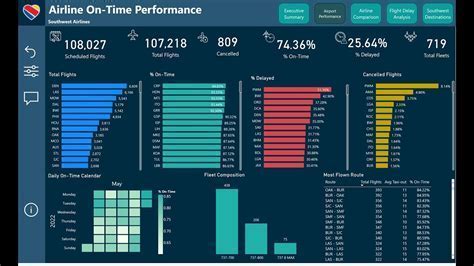
Translating insights into reports and dashboards for executives, pilots, ground crews, and regulators.
The analyst becomes a bridge between raw technical data and strategic aviation decisions. Whether it’s helping reduce flight delays or identifying fuel-saving opportunities, every data point they analyze can ripple into millions in cost savings or safety improvements.
Aviation Employers: Where Analysts Fit In
One of the most dynamic aspects of this profession is its versatility. Aviation data analysts are employed across several key segments of the aviation ecosystem:
1. Airlines
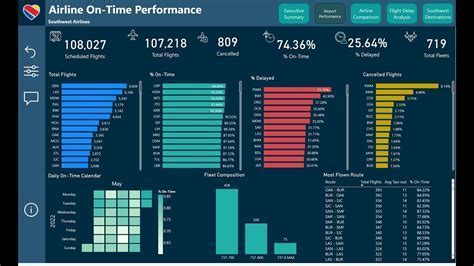
Major and regional airlines utilize data analysts to monitor and improve:
-
On-time performance metrics
-
Passenger load factors
-
Revenue management algorithms
-
Customer satisfaction trends
An analyst working at a carrier like Delta Air Lines or Emirates might be tasked with identifying which routes underperform and why, or how seasonal passenger patterns affect fleet deployment.
2. Airports
Airport authorities use analytics to optimize terminal flow, reduce gate congestion, and plan future infrastructure investments. An aviation analyst might help an airport like Heathrow or Singapore Changi anticipate security bottlenecks based on predictive modeling of arrival volumes.
3. Aircraft Manufacturers
Companies such as Boeing and Airbus rely on data analysts to fine-tune production efficiency. From forecasting component shortages to estimating assembly timelines, analysts drive lean manufacturing and cost-reduction initiatives.

4. Government and Regulatory Agencies
Analysts working at bodies such as the Federal Aviation Administration (FAA) or National Transportation Safety Board (NTSB) examine datasets linked to flight incidents, pilot behavior, and weather impacts. Their findings directly influence aviation safety policies.

Required Skills and Educational Background
To enter the field of aviation data analytics, professionals typically pursue a bachelor’s degree in a quantitative discipline such as:
-
Mathematics
-
Statistics
-
Computer Science
-
Data Science
-
Aerospace Engineering
Graduate-level education, particularly in applied analytics or aviation systems management, is often preferred by top-tier employers.
Beyond formal education, an aviation data analyst must be proficient in:
-
SQL and Python for data extraction and manipulation
-
R or SAS for statistical analysis
-
Tableau, Power BI, or Looker for data visualization
-
Familiarity with aviation terminology, flight operations, and regulatory environments
Soft skills are equally crucial: strong communication, cross-functional teamwork, and the ability to interpret complex data for non-technical audiences are non-negotiable.
Salary Expectations and Career Outlook
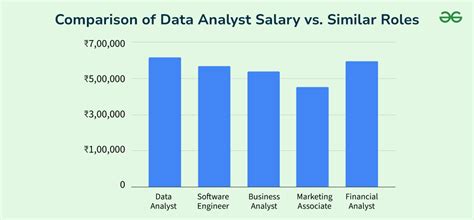
The salary of an aviation data analyst varies widely depending on experience, location, and employer type.
-
Entry-level analysts can expect to earn between $40,000–$70,000 annually.
-
Mid-career professionals often make $80,000–$100,000, especially at major airlines and airports.
-
Senior analysts or analytics managers with specialized aviation knowledge and a proven track record can command salaries over $120,000.
Job prospects are strong, with the global aviation industry projected to grow substantially in the next decade. Increased digitization, AI-driven maintenance programs, and a focus on fuel optimization all contribute to the rising demand for analytical expertise.
Real-World Impact of Aviation Data Analytics
The tangible impact of aviation data analysts is evident in multiple facets of the industry:
-
Fuel Efficiency: By analyzing engine performance and flight routing data, analysts have helped major carriers reduce fuel usage by up to 3–5%, translating to millions in savings.
-
Flight Delay Reduction: Predictive delay modeling helps airlines reschedule aircraft proactively, reducing passenger disruptions.
-
Aircraft Maintenance: Data-driven predictive maintenance reduces unscheduled downtime, increasing aircraft availability and lifespan.
-
Passenger Experience: Insights from surveys and loyalty data allow airlines to improve services and customize offers based on behavioral trends.
In high-stakes environments where safety and efficiency are paramount, data analysts are not just contributors — they are strategic partners.
Future Trends in Aviation Data Analysis
As technology advances, so too does the toolkit of the aviation data analyst. Emerging trends include:
-
Artificial Intelligence (AI) and Machine Learning (ML) for anomaly detection and predictive analytics
-
Real-time streaming analytics from IoT devices embedded in aircraft
-
Blockchain for secure tracking of aircraft components
-
Natural Language Processing (NLP) to mine insights from unstructured pilot and maintenance reports
The integration of these tools will elevate the profession to new levels, requiring continual upskilling and adaptation.
Becoming a Leader in Aviation Analytics
Professionals looking to rise within the aviation data space should consider:
-
Gaining aviation-specific certifications (e.g., IATA Aviation Data and Analytics Diploma)
-
Attending industry conferences such as the Aviation Festival or ICAO Big Data Symposium
-
Publishing insights or case studies in respected journals or platforms like FlightGlobal and Aviation Week
Leadership in this field means more than technical prowess — it involves the ability to influence airline policy, advise cross-functional teams, and drive systemic improvement.
Frequently Asked Questions (FAQ)
What is the difference between a general data analyst and an aviation data analyst?
While both roles involve analyzing datasets, aviation data analysts specialize in aviation-specific metrics such as flight delays, fuel consumption, passenger traffic, and safety data. Their work directly supports aviation decision-making, regulatory compliance, and operational efficiency.
Do I need to be a pilot or have aviation experience to become an aviation data analyst?
No, but having aviation knowledge is a strong asset. Understanding airline operations, aircraft systems, or regulatory frameworks helps analysts generate more actionable insights and communicate effectively with aviation stakeholders.
What tools and software should an aviation data analyst master?
Key tools include Python, SQL, R, and Excel for analysis; Tableau, Power BI, and Looker for visualization; and industry-specific platforms like Sabre, SITA, and FlightAware for data sourcing and monitoring.