IFR vs VFR—two distinct flight regimes that define the way aircraft traverse the skies. These concepts are not merely procedural; they represent entirely different philosophies of flight. In Visual Flight Rules (VFR), pilots fly by what they can see. In contrast, Instrument Flight Rules (IFR) rely entirely on cockpit instruments, often eliminating any visual reference to the world outside. Understanding the nuances between the two is not only essential for aspiring pilots but also critical for aviation safety, regulatory compliance, and efficient air navigation.
Understanding VFR: Visual Flight Rules
Visual Flight Rules (VFR) refer to a set of regulations under which a pilot operates an aircraft in weather conditions generally clear enough to allow the pilot to see where the aircraft is going. It is the foundational mode of flying most aviators learn early in their training. Under VFR, navigation is achieved through reference to terrain, landmarks, and direct sight of other aircraft, relying on the principle of “see and avoid.”

In a typical VFR flight, a pilot may visually track highways, rivers, or other prominent landmarks. Instruments are used for supplementary awareness—altitude, airspeed, and heading—but the majority of decisions are based on external visual cues. This methodology emphasizes autonomy but is constrained by meteorological visibility. The Federal Aviation Administration (FAA) enforces VFR weather minimums to ensure pilots maintain adequate distance from clouds and preserve forward visibility.
When and Where VFR Applies
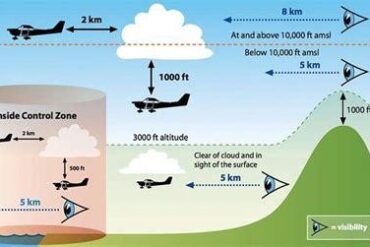
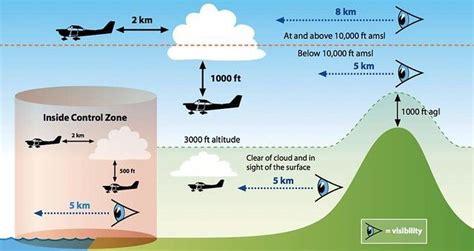
VFR can only be legally flown in conditions classified as Visual Meteorological Conditions (VMC). These requirements include:
-
Minimum visibility: Ranges from 1 to 5 statute miles depending on airspace class and altitude.
-
Distance from clouds: Specific vertical and horizontal separations mandated to reduce collision risk.
Controlled airspace like Class B, C, and D demands tighter minimums, while uncontrolled Class G airspace allows more leniency, particularly at lower altitudes.
These thresholds are documented in 14 CFR §91.155, and include stipulations such as:
-
Class B: 3 SM visibility, clear of clouds.
-
Class C/D/E (below 10,000 ft): 3 SM visibility, 500 ft below, 1,000 ft above, 2,000 ft horizontal cloud clearance.
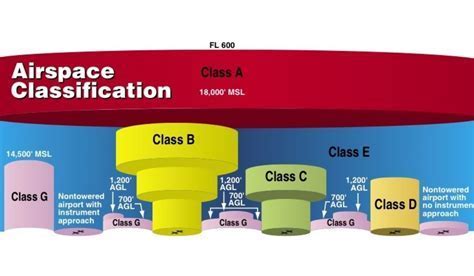
Failing to meet these requirements automatically disqualifies a flight from operating under VFR, necessitating an IFR clearance.
Advantages of Flying VFR
VFR is often preferred by student pilots and recreational flyers for its simplicity and visual engagement. The primary advantages include:
-
Direct situational awareness using eyes and natural references.
-
Greater freedom in routing without filing a flight plan (unless operating in controlled airspace).
-
Visual enjoyment, offering panoramic views and a tangible connection to terrain.
Flying VFR, however, requires constant vigilance, especially in busy airspaces, to avoid mid-air collisions and navigational errors due to misidentifying visual references.
What Is IFR: Instrument Flight Rules
Instrument Flight Rules (IFR), on the other hand, enable pilots to operate an aircraft solely through instruments. Under IFR, the pilot does not need to see the ground or horizon. The entire flight path is governed by air traffic control (ATC) and navigational systems.
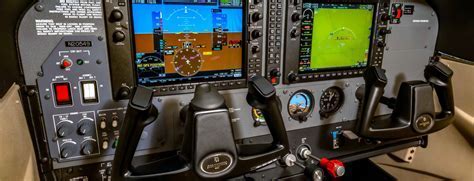
To fly IFR, a pilot must be specially trained and rated. The cockpit environment involves constant instrument scanning to form a mental model of the aircraft’s orientation in space. The so-called “six-pack” of instruments—altimeter, airspeed indicator, vertical speed indicator, attitude indicator, heading indicator, and turn coordinator—are integral.
The Benefits of IFR Flying
The utility of IFR flight is paramount for commercial aviation and long-distance travel. Key benefits include:
-
All-weather capability: IFR allows pilots to navigate through clouds, fog, rain, and night conditions.
-
ATC-directed routing: Enhances traffic separation and reduces mid-air collision risk.
-
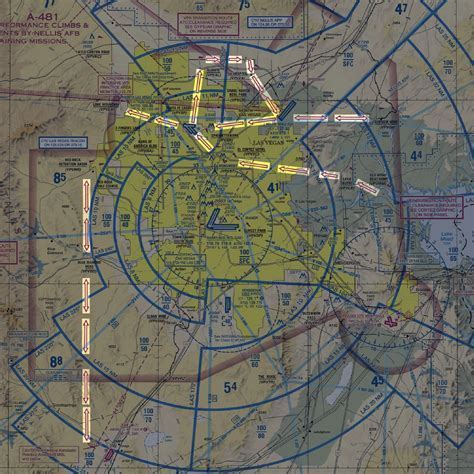
Access to all airspace: Some classes like Class A require IFR only.
-
Precision navigation: GPS and radio aids enable pinpoint accuracy.
Unlike VFR, IFR flying follows structured procedures, such as SID (Standard Instrument Departure) and STAR (Standard Terminal Arrival Route) protocols, ensuring greater predictability and safety.
Which Is Harder: VFR or IFR?
The difficulty of IFR vs. VFR lies not in complexity alone, but in the demands placed on the pilot. VFR requires environmental awareness, sharp vision, and rapid decision-making. Pilots must decode terrain, manage changing weather, and interpret subtle cues.
IFR, while procedurally rigorous, places immense cognitive load on spatial awareness and trust in instrumentation. One of the greatest challenges is overcoming sensory illusions, such as “the leans”, where the body’s vestibular system conflicts with visual instrument data.

Additionally, IFR proficiency demands precise communication with ATC, mastery of navigational aids (like VOR, DME, ILS), and an ability to maintain accurate aircraft control without visual input.
Why Many Pilots Prefer IFR
Despite the added workload, many seasoned pilots prefer IFR. The reasons are compelling:
-
Operational flexibility: IFR removes weather dependency.
-
Efficiency: Controlled routing often results in direct flight paths and reduced congestion delays.
-
Professional requirement: Most commercial and airline operations require IFR certifications.
Moreover, IFR unlocks access to higher altitudes, instrument approaches, and global routing systems, making it indispensable for modern aviation.
That said, a significant number of pilots still express nostalgic fondness for VFR days—especially in general aviation. The thrill of flying low over landscapes and the clarity of flight paths seen with the naked eye are hard to match.
IFR vs VFR: A Comparative Overview
| Feature | VFR | IFR |
|---|---|---|
| Visibility Requirement | Clear skies, defined VFR minimums | None (can fly in clouds, fog) |
| Navigation Method | Visual reference to ground | Cockpit instruments and ATC |
| Weather Dependency | High | Low |
| Pilot Training Requirement | Private Pilot License | Instrument Rating required |
| Airspace Access | Limited in Class A, certain busy areas | Full access to all airspace |
| Flexibility | High for route changes | Structured and controlled |
| Common Usage | Recreational, training | Commercial, long-distance |
Conclusion: Choosing Between IFR and VFR
The IFR vs VFR debate isn’t about which is better—it’s about which is appropriate. VFR provides an elemental connection to flight—raw, scenic, and immediate. IFR, in contrast, is a testament to engineering precision, logic, and technological advancement.
Ultimately, the best pilots master both. They understand when to fly visually, when to transition to instruments, and how to leverage each set of rules for optimal safety and performance. Whether flying under the sun or through the clouds, both methods uphold the same goal: safe and efficient flight.
FAQ
What does a pilot need to fly under IFR?
To fly IFR, a pilot must hold an instrument rating on their pilot certificate. Additionally, the aircraft must be properly equipped with certified navigation instruments, and the flight must be filed and cleared by air traffic control (ATC).
Can you switch between VFR and IFR during a flight?
Yes. Pilots can request a “pop-up IFR clearance” in flight or cancel IFR and proceed VFR if weather permits. However, this transition must be approved by ATC and depends on airspace, traffic, and current meteorological conditions.
Is IFR safer than VFR?
Both flight rules have robust safety protocols, but IFR is generally considered safer in terms of controlled airspace, traffic separation, and weather independence. However, safety is ultimately determined by pilot competence, adherence to regulations, and situational awareness.