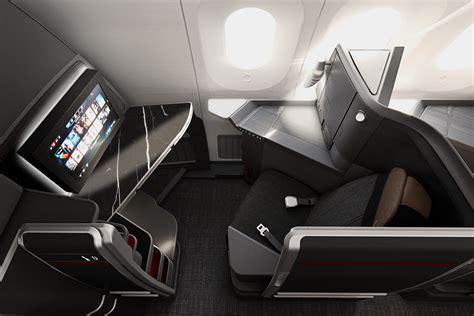
When travelers search for a reliable airline, safety is often the top priority. For those preparing to board an international flight, such as a 13-hour journey from Korea to Dallas-Fort Worth (DFW), that concern becomes even more pressing. Among U.S. carriers, American Airlines (AA) often becomes a topic of debate—not because it’s unsafe, but because its size, public scrutiny, and operational scale make it more visible. In this article, we take a comprehensive look at the safety of American Airlines, its aircraft, incident history, fleet details, and the public conversation surrounding it.
A Record Built on Scale and Safety
American Airlines is the largest airline in the world in terms of fleet size, passengers carried, and revenue passenger miles. It operates over 1,600 aircraft and manages more than 6,700 flights per day. With such vast scale, it’s important to understand how safety is maintained.
The Federal Aviation Administration (FAA) strictly regulates all U.S. commercial airlines, including American Airlines. Compliance with FAA standards means rigorous maintenance schedules, mandatory pilot training, strict fatigue management, and continuous safety audits. Furthermore, AA is also subject to internal and third-party safety assessments, ensuring multi-tiered accountability.
Aircraft Safety: Flying on the Boeing 787-9
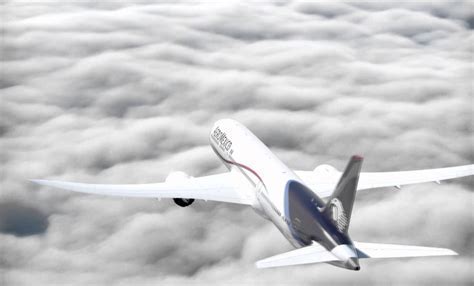
The Boeing 787-9 Dreamliner—the aircraft in question for this long-haul route from Korea—is among the safest and most advanced planes flying today. With over 1,100 units delivered worldwide, the 787-9 has a zero-fatality record and no known hull losses. Its composite fuselage, advanced avionics, and fuel efficiency make it a staple in international travel.
Passengers onboard the 787-9 benefit from improved air quality, reduced cabin noise, and lower cabin pressure altitude, all contributing to a more comfortable and less fatiguing journey. Importantly, the aircraft’s systems are built redundantly, meaning critical components such as flight control systems and hydraulics are backed up multiple times.
From a pilot’s perspective, the Dreamliner is designed for operational reliability, incorporating fly-by-wire systems that enhance both safety and efficiency. Multiple airline pilots on platforms like Reddit’s r/fearofflying emphasize the safety of this aircraft, many noting they fly it multiple times weekly without hesitation.
Public Perception vs. Reality
In forums like r/fearofflying, concerns often stem from viral news stories, delayed flights, or emotionally charged experiences rather than actual risk data. One Reddit user aptly pointed out that no major U.S. commercial airline has suffered a fatal crash in nearly two decades, and even that incident involved a small commuter aircraft, not a jetliner.
American Airlines, despite being frequently criticized for customer service or scheduling, maintains a stellar safety record. According to AirlineRatings.com and Travel + Leisure’s 2024 safety rankings, American Airlines ranks competitively among the world’s safest, surpassed slightly only by regional players like Alaska Airlines and Hawaiian Airlines in the U.S. market.
Critics who cite incidents often ignore context. For example, a 2023 incident where a military helicopter collided with an AA plane on landing was initially misattributed to American’s fault. Later analysis confirmed that air traffic management and military operations were responsible. As one commentator on Reddit emphasized, it’s crucial not to generalize safety performance based on isolated or misrepresented events.
Understanding Airline Incident Statistics
American Airlines, due to its massive operation, may appear more prone to incidents simply because it operates so many flights. Statistically, the rate of incidents per flight hour or flight segment remains extremely low, matching or outperforming other major airlines.
When evaluating an airline’s safety, the following metrics are more meaningful than anecdotal reports:
- Fatality-free records over a span of years
- ICAO and IATA audit outcomes
- Maintenance-related delays versus safety-related incidents
- Fleet age and renewal programs
In these respects, American Airlines is robust. Its participation in the IATA Operational Safety Audit (IOSA) program—a global benchmark for airline safety—and its implementation of Flight Operational Quality Assurance (FOQA) systems set high standards.
Pilot Experience and Training at American Airlines
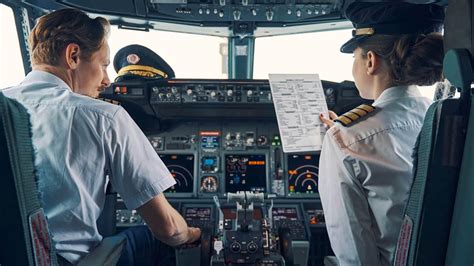
One of the reasons for American’s exemplary safety record is its highly trained flight crew. Pilots undergo recurrent training every six months, often in full-motion simulators that replicate adverse conditions and system failures. From takeoff emergencies to in-flight decompression, these simulations are designed to sharpen reflexes and procedural knowledge.
According to pilots commenting in public forums, flying for American Airlines means operating under some of the most rigorous training and procedural protocols in the world. A pilot who identified themselves on Reddit noted that they fly the 787 regularly, expressing complete confidence in its safety and performance.
Regulatory Oversight in the U.S. Aviation Sector
The United States boasts one of the most tightly regulated aviation environments globally. The FAA, in partnership with the National Transportation Safety Board (NTSB) and Department of Transportation (DOT), provides layers of regulation, investigation, and policy oversight.
Every mechanical irregularity is logged and investigated. Maintenance records are transparent and subject to inspection at any time. AA’s adherence to these procedures is publicly available in FAA safety reports and airline audit disclosures.
In fact, American Airlines’ decision-making process for weather-related diversions, technical holds, or crew duty limits often frustrates passengers precisely because they err on the side of caution. Safety-first policies may lead to delays but significantly reduce the risk of an avoidable incident.
Fleet Modernization and Maintenance Programs
American Airlines operates a modern and diverse fleet that includes Airbus A320s, Boeing 737s, 777s, and the 787 Dreamliner series. The airline continues to invest in newer aircraft to replace older models, reducing mechanical downtime and improving fuel efficiency.
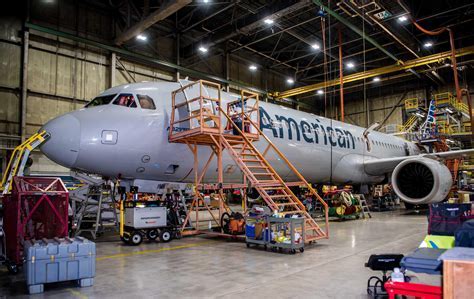
Their maintenance is performed at some of the largest aviation technical facilities in the world, notably their hub in Tulsa, Oklahoma, where over 6,000 aviation professionals manage and service the fleet 24/7. Preventive maintenance, routine inspections, and engine diagnostics occur well before components reach the end of their lifecycle.
Comparative Safety: American Airlines vs Other U.S. Carriers
While some passengers may prefer Delta Air Lines or United Airlines due to personal experience, no empirical evidence supports the idea that American Airlines is less safe. The differences often lie in service perception, route reliability, or customer satisfaction—not safety.
Alaska Airlines and Hawaiian Airlines have slightly better scores in safety rankings due to their smaller fleet sizes and more focused operational scope, allowing for higher operational efficiency. However, when normalized for scale, American holds its own impressively.
Passengers concerned with carrier safety can take solace in knowing that any U.S.-based commercial airline must pass the same audits, fulfill identical maintenance reporting, and adhere to FAA and ICAO safety standards.
Emotional Fear vs Statistical Risk: Calming the Anxieties
Flight anxiety, while valid, often misrepresents the reality of air travel. Statistically, flying remains the safest form of long-distance travel. With millions of commercial flights occurring globally each year, the fatal accident rate remains minuscule. Passengers are far more likely to be injured driving to the airport than on any given flight.
The 787-9 operated by American Airlines offers an especially secure and smooth flight experience. Features like auto-stabilization, real-time system diagnostics, and advanced weather radar allow pilots to proactively avoid turbulence and other in-flight anomalies.
Passengers who’ve flown with AA—even nervous flyers—frequently report post-flight that the experience was smoother than expected. From Reddit threads to professional pilot testimony, the consensus is consistent: American Airlines is extremely safe.
Final Verdict: Should You Be Concerned?
No. American Airlines is not only safe—it is one of the safest major airlines in the world. It complies with the highest international standards, operates some of the most advanced aircraft available, and employs thousands of rigorously trained pilots, engineers, and safety personnel.
In the modern aviation landscape, where one misstep can cost billions and tarnish reputations overnight, no major airline—especially not one as prominent as American—can afford laxity in safety. If your upcoming flight is on American Airlines, particularly aboard a Boeing 787-9, you can board with full confidence in the technology, the crew, and the system designed to keep you safe from departure to arrival.