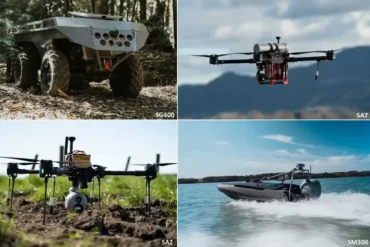
The aerospace and defence sectors demand uncompromising precision, reliability, and safety in all manufactured systems. From orbit-bound aircraft to military-grade tools used in the harshest environments, each component must undergo extensive validation before earning operational clearance. Aerospace and defence testing and approval is not merely a regulatory obligation; it is the foundation for risk mitigation, innovation, and global trust in the safety of high-stakes operations.
The Strategic Importance of Testing and Approval in Aerospace and Defence
In these sectors, every failure is catastrophic. This is why we invest heavily in advanced product testing protocols that simulate real-world stress, fatigue, temperature variation, and even combat conditions. Whether deploying military assets in volatile environments or launching satellite systems into orbit, our goal is clear: ensure performance when it matters most.
Testing is not limited to components alone. Complete systems undergo rigorous simulations that push the boundaries of operational conditions, verifying everything from aerospace tooling durability to software resilience during electronic warfare. These methodologies directly contribute to:
- Life safety through structural integrity
- Operational reliability under duress
- Regulatory compliance and international certification
- Brand trust in government and commercial contracts
- R&D acceleration through lessons learned from failure data
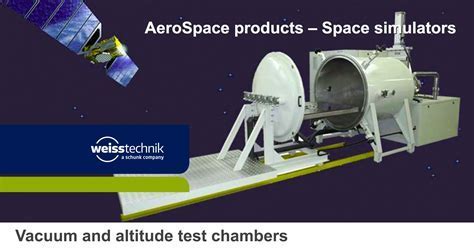
Aerospace and Defence Testing Drives Technological Advancement
Our testing processes don’t just verify current performance—they lay the groundwork for future innovation. Every vibration test, fatigue simulation, or flammability assessment provides quantitative feedback that engineers use to optimize product design.
The feedback loop between testing and development accelerates discovery. For example, identifying microfracture vulnerabilities in composite materials has led to the creation of hybrid alloys with greater fatigue tolerance. Likewise, advancements in fluid susceptibility analysis have enabled the development of more resilient hydraulic systems, critical for next-gen fighter jets and deep-space probes.
International Standards That Govern Testing and Certification
To ensure global interoperability and industry consistency, we align all testing procedures with international standards. Some of the most vital frameworks include:
- DO-178C – Sets the benchmark for software development in airborne systems, ensuring functional safety.
- DO-254 – Governs the certification of electronic hardware, including FPGAs and microprocessors.
- AS/EN 9100 – Establishes quality management systems tailored for aerospace production.
- ARP4754 – Guides the entire lifecycle of civil aircraft systems development.
- MIL-SPEC – Defines stringent specifications for military-grade materials, components, and environmental resistance.
- ISO 9001 – Offers a foundational quality assurance framework applicable across sectors.
Fatigue and Environmental Testing: Simulating Real-Life Challenges
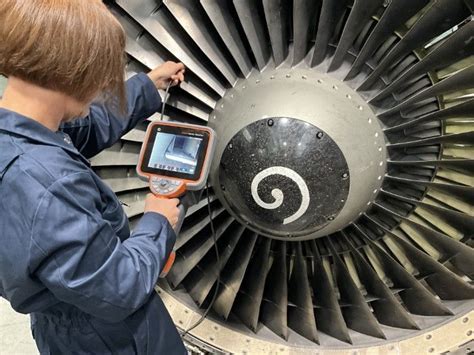
We implement fatigue testing to analyze how repeated stress impacts the microstructure of critical components. By simulating tens of thousands of takeoff and landing cycles, we expose parts to a controlled failure threshold—defining their true lifespan. This data is essential for maintenance planning and crash avoidance.
Environmental testing covers conditions ranging from arctic cold to scorching heat, and from high-vibration turbulence to ionizing radiation in space. These tests validate a system’s ability to perform under extreme thermodynamic and chemical influences, ensuring materials don’t degrade prematurely or respond unpredictably.
Fire Resistance and Flammability Standards: Protecting Lives
In aviation, fire propagation is a critical safety hazard. That’s why we perform vertical and horizontal flame tests on all cabin materials, wiring harnesses, and panel structures. Each material is graded based on:
- Time to ignition
- Flame spread rate
- Self-extinguishing capability
For military-grade tents, mobile shelters, and drone housing, flammability testing ensures that material will withstand flash fire exposure without compromising mission-critical equipment.
Qualification and Susceptibility Testing: Proving Endurance
Qualification testing evaluates whether a component or system meets all functional and durability requirements. It’s not only about passing once—it’s about proving endurance across a wide range of operational parameters. These tests cover:
- Design verification through repeated usage cycles
- Material stress thresholds under mechanical loads
- Lifecycle estimation to plan replacements and upgrades
Susceptibility testing is equally crucial. We simulate exposure to aviation fluids such as jet fuel, deicing agents, and hydraulic oils. The results determine chemical resistance, informing both material choice and preventative maintenance schedules.
The Comprehensive Testing and Approval Process Explained
The testing lifecycle in aerospace and defence is executed in five critical stages:
1. Test Planning
We begin by defining objectives, scope, and resource requirements. This includes determining:
- Specific elements to be tested (materials, systems, etc.)
- Environmental and operational boundaries
- Personnel, tooling, and lab requirements
- Success metrics and compliance thresholds
- Scheduling and timeline benchmarks
2. Test Design
We draft test cases based on real-world simulations and past incident data. Standardized test procedures are developed to reduce variation. All test data sets are built to match expected outcome scenarios, using synthetic and historical benchmarks.
3. Test Execution
This is the physical testing phase, including real-time simulations and hardware manipulation. We utilize smart sensors, motion capture, and AI-driven analytics to observe deviation and log anomalies. In-flight systems may undergo remote telemetry assessments while still airborne.
4. Test Reporting
Data is logged, analyzed, and validated against expected benchmarks. Any anomalies are flagged and studied. Test reports are generated, focusing on compliance documentation, regulatory filings, and corrective action plans. All reports are version-controlled to ensure traceability.
5. Evaluation and Continuous Improvement
After completion, we conduct a retrospective analysis to evaluate performance and identify optimization opportunities. We update procedural frameworks, incorporate new testing technologies, and create feedback loops into the design and manufacturing pipelines.
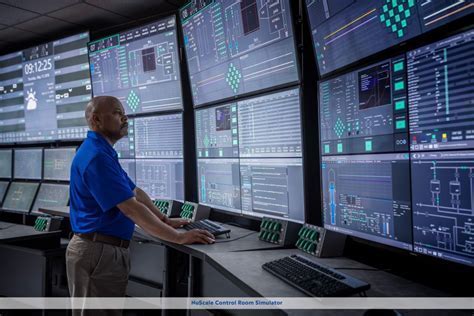
Minimizing Risks and Reducing Costs Through Proactive Testing
Every dollar spent in the lab can save millions in the field. Proactive testing minimizes:
- Failure risks during active missions
- Maintenance costs from early component degradation
- Legal liabilities from safety breaches
- Downtime losses in supply chain and deployment timelines
Cost-effective testing strategies—such as virtual prototyping, non-destructive evaluation (NDE), and simulated failure modeling—deliver higher ROI by catching vulnerabilities early in the development process.
Partnering with Industry Experts for Better Outcomes
Organizations like Applied Fasteners and Tooling play a pivotal role in ensuring that aerospace components meet all regulatory and performance standards. Their offerings include:
- Click Bond Fasteners for secure aerospace mounting
- Cherry Tooling for precision fastening
- Eddie Bolt Tooling Spares for high-torque, vibration-resistant systems
- GripLockTies for resilient cable management in high-heat environments
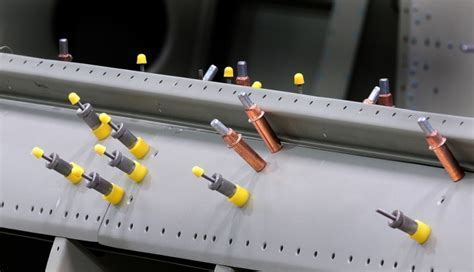
Each part is delivered with a certificate of conformance, affirming that it has passed required tests under AS9120 or other applicable standards.
Conclusion: Testing Is Not Optional—It’s Mission-Critical
In aerospace and defence, testing is the frontline of protection. It ensures that every bolt, circuit, and panel can withstand the unforgiving conditions of space, combat, or flight. As technology evolves, so too must our commitment to ever-more rigorous evaluation, compliance to international standards, and data-driven improvement.
By institutionalizing a culture of testing and approval, we ensure that every mission—whether military, commercial, or exploratory—starts from a foundation of excellence, precision, and trust.