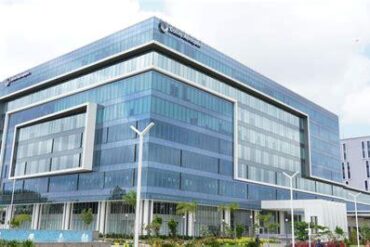
Thales Group, officially known as Thales S.A., stands as a global leader in aerospace, defence, and digital security, leveraging a legacy that spans over a century. Headquartered in Paris La Défense, this French multinational conglomerate operates in more than 68 countries, with a workforce exceeding 83,000 employees. In 2024, Thales recorded a revenue of €20.57 billion, with a net income of €1.41 billion, under the leadership of Patrice Caine, its chairman and CEO since 2014.
From Thomson-CSF to Thales: A Century of Transformation
Founded through the 1968 merger of Thomson-Brandt and CSF (Compagnie générale de la télégraphie sans fil), Thales began as Thomson-CSF, a prominent French electronics firm. The transformation into Thales Group in December 2000 was not merely cosmetic—it signaled a rebranding effort aimed at projecting a modern, global identity. The name, inspired by the Greek philosopher Thales of Miletus, underscores the company’s dedication to scientific innovation and strategic foresight.
By 1999, Thales had entered into critical partnerships, such as a joint venture with Samsung Electronics, and continued building global reach through ThalesRaytheonSystems (formed in 2001) and the Armaris naval joint venture in 2002. These initiatives positioned Thales not just as a contractor, but as a systems integrator and strategic partner to national militaries and civil organizations.
Acquisitions as a Growth Engine
Throughout its evolution, Thales has strategically acquired companies to bolster its technology portfolio and market share:
- 2006: Acquired Australian Defence Industries and Alcatel’s space assets.
- 2008: Gained control of nCipher, enhancing its cybersecurity capabilities.
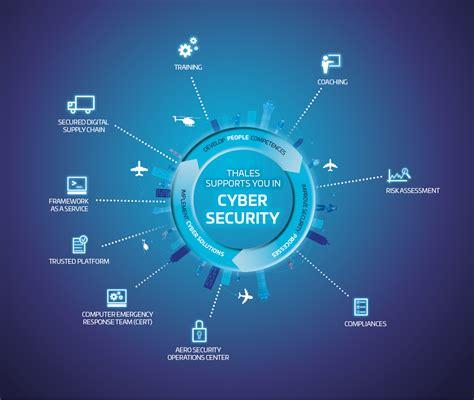
- 2016–2019: With purchases of Vormetric, Guavus, and Gemalto, Thales established itself as a cybersecurity powerhouse.
-
2023: Acquired Imperva for $3.6 billion, expanding its digital defense landscape.
These acquisitions weren’t merely opportunistic—they were calculated moves to ensure Thales stayed at the forefront of data protection, encryption, and critical system integrity.
Defence Excellence: A Trusted Ally to Armed Forces Worldwide
Thales is widely respected in the defence sector, with 53% of its revenues sourced from military contracts. Its portfolio includes:
- The SPECTRA system for Dassault’s Rafale aircraft.
- Electronic systems for naval projects like FREMM and Horizon-class frigates.
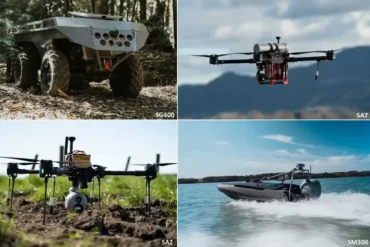
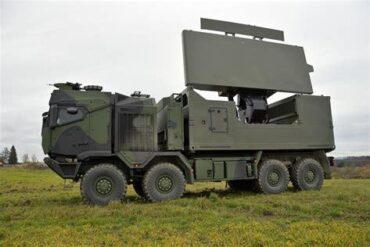
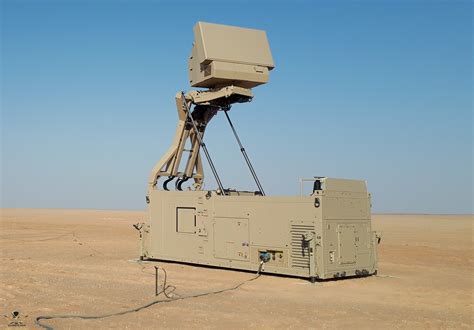
- Development of Watchkeeper UAVs, SWARM remote weapon stations, and Ground Master AESA radars.
Its strong NATO relationships, through ventures like Eurosam and ThalesRaytheonSystems, reinforce Thales’s role as a pillar of European and transatlantic defence. The company reported notable profit surges during the 2022 Ukraine conflict, reflecting a broader reliance on its intelligence, surveillance, and reconnaissance technologies.
Aerospace Innovation Across Civil and Military Markets
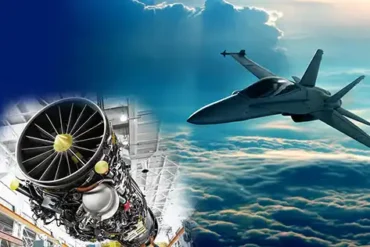
In aerospace, Thales is a primary supplier of avionics systems used in both civil and military platforms. Its offerings include:
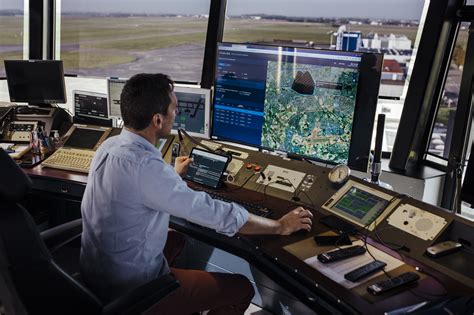
- TopSky ATM air traffic management suite.
- Fly-by-wire controls, navigation, Satcom, and in-flight entertainment (IFE) systems.
- Maintenance services through OEMServices MRO.
Notably, in 2018, Thales secured the A$1.2 billion OneSKY contract in Australia—an ambitious initiative to unify military and civilian air traffic management. The acquisition of Aveillant further empowered Thales to deliver holographic radar solutions, enhancing airspace security and drone detection capabilities.
Ground Transportation Footprint and Final Exit
Thales maintained a significant presence in ground transportation, especially in rail signalling and ticketing systems. Key projects included:
- Overhauling London Underground signalling.
- Implementing AFC systems in metros like Delhi and Hyderabad.
- Developing Rejsekort for Denmark and Hanoi Metro telecom systems.
However, persistent setbacks—such as delays in Bordeaux and technical failures in Singapore and Hong Kong—coupled with shifting strategic priorities, led Thales to divest this segment. On May 31, 2024, it completed the $2.5 billion sale of its ground transportation business to Hitachi Rail, marking a definitive pivot toward core aerospace and defense domains.

Digital Security and Data Sovereignty
A major pillar of Thales’s recent identity is digital security. Following its 2019 integration of Gemalto, Thales established itself as a global encryption leader, offering:
- Data Protection on Demand platforms.
- Key management systems for governments and enterprises.
- Identity management services for e-passports, banking, and telecom sectors.
This expertise has made Thales indispensable in a world where data sovereignty and zero-trust architecture are strategic imperatives.
International Footprint and Strategic Alignment
Thales maintains a strong global footprint, with subsidiaries and projects across six continents. Thales UK, for example, remains the largest international division, accounting for 13% of global revenue. Its international strategy blends localization with global integration, ensuring that Thales solutions remain interoperable, sovereign-compliant, and scalable across geographies.
A Portfolio of Advanced Technologies
Thales’s product ecosystem spans:
- Watchkeeper WK450 drone
- Sea Fire naval radar
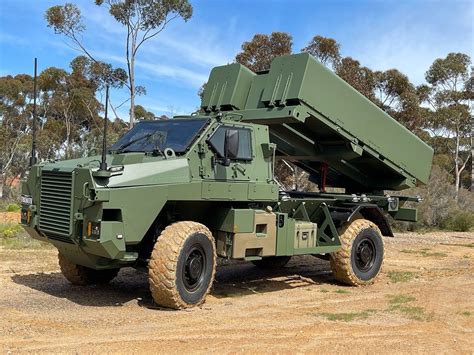
- Bushmaster and Hawkei armored vehicles
- Starstreak and Crotale missile systems
- AVANT in-flight entertainment systems
- SelTrac CBTC signalling
These products are mission-critical assets, often deployed in conflict zones, high-speed railways, and next-generation air travel platforms.
Governance, Ownership, and Financial Stability
Thales is a partially state-owned enterprise, with the French government holding 26.6% and Dassault Aviation controlling 26.59%. This structure provides Thales with both political leverage and financial resilience, particularly in securing long-term defense contracts and R&D subsidies.
Controversies and Legal Challenges
Thales has not been immune to scandal or judicial scrutiny. Notable controversies include:
- €630 million bribery fines related to Taiwan frigate sales.
- Allegations in South Africa and Brazil over submarine procurement contracts.
- Criticism over arms technology used in conflict zones, such as West Papua’s Kiwirok bombings.
- High-profile transport disputes, including a 2012 legal battle with Transport for Greater Manchester.
Despite these challenges, Thales has maintained operational stability, often cooperating with judicial inquiries while continuing to serve strategic defense roles.
Conclusion: Thales’s Enduring Strategic Relevance
As we navigate an era defined by geopolitical instability, digital transformation, and space militarization, Thales Group’s integrated portfolio—spanning satellites, sensors, cybersecurity, and AI—positions it as a linchpin in the global defense and aerospace matrix. From France’s military-industrial core to its cybersecurity dominance, Thales is more than a contractor; it is a strategic enabler of national sovereignty and digital resilience.