Understanding Scud Running in Modern Aviation
Scud running represents one of the most controversial and perilous maneuvers in aviation. The term evokes both a survival tactic and a calculated gamble, carried out by pilots seeking to maintain Visual Flight Rules (VFR) beneath low cloud ceilings, often brushing dangerously close to terrain and man-made obstructions. It is a practice marred by its association with numerous Controlled Flight Into Terrain (CFIT) incidents and serves as a stark reminder of the high stakes inherent in aeronautical decision-making.
In aviation terminology, the term “scud” refers to ragged, low-hanging clouds that form below a deck of more organized weather systems, especially around frontal boundaries or thunderstorms. Pilots who attempt to stay under these formations in order to continue visual navigation are said to be “scud running.”

The Fine Line Between Ground and Sky
The Federal Aviation Administration (FAA) characterizes scud running as “pushing the capabilities of the pilot and aircraft to the limits by trying to maintain visual contact with terrain while avoiding physical contact with it.” This definition underscores the treacherous nature of the tactic, wherein pilots operate at critically low altitudes with minimal margin for error.
The inherent danger of scud running lies in the compounding effect of:
-
Reduced visibility
-
Rapidly changing topography
-
Unseen obstructions such as towers and windmills
-
Minimal reaction time due to proximity to the surface
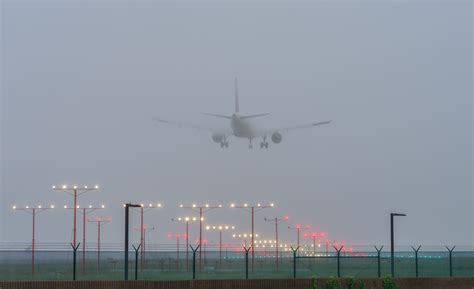
For example, a pilot flying at 800 feet AGL (Above Ground Level) might safely pass over flat farmland, but a ridge or tower 10 miles ahead could suddenly rise into their path. Visibility limits, often below 3 statute miles in such conditions, render these obstacles nearly invisible until the final seconds.
A Catalog of Tragedies
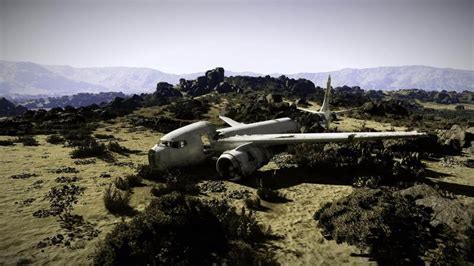
According to NTSB and FAA data, continued VFR flight into Instrument Meteorological Conditions (IMC) ranks among the top causes of general aviation fatalities. A disproportionate number of these accidents are attributed directly to scud running.
Case studies provide chilling insight:
-
A VFR pilot crashes into a radio tower in Nebraska during deteriorating weather.
-
A seasoned pilot delays requesting IFR clearance and collides with a mountain peak near Banning Pass.
-
A CFI ignores worsening conditions and impacts terrain near Joshua Tree.
Each of these tragedies involved a pilot pushing beyond VFR limits, often under pressure to complete the flight or due to overconfidence in their skill and terrain familiarity.
Why Pilots Risk It
Despite overwhelming evidence of danger, some pilots still opt to scud run. Their rationale may include:
-
Pressure to arrive on schedule
-
Overestimation of flying skill or weather analysis
-
Misinterpretation of visibility
-
Denial of deteriorating conditions (so-called “get-there-itis”)
A particularly deceptive phenomenon is the sliding scale visibility illusion. As a pilot moves forward through poor visibility, they may perceive that conditions ahead are better than those behind. This illusion can trap even experienced aviators into forging ahead when turning back would be safer.

Safer Alternatives to Scud Running
We emphasize that scud running is avoidable. Several alternative strategies exist, each rooted in strong aeronautical decision-making:
-
Postpone the flight if marginal weather is forecast
-
Obtain an instrument rating, enabling safe IFR flight
-
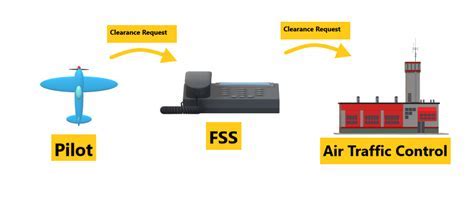
Request pop-up IFR clearance if conditions deteriorate mid-flight
-
Divert to an alternate destination with safer weather
-
Execute a 180-degree turn to return to clearer skies
Pop-up IFR clearance is particularly valuable for qualified pilots. It allows immediate transition from VFR to IFR without a prior flight plan, provided the aircraft and pilot meet the regulatory requirements. It’s a critical option for avoiding entrapment in worsening weather.
Unplanned Scud Running: A Dangerous Lure
Not all scud running is premeditated. Often, it results from an unfolding situation where pilots find themselves deeper into deteriorating conditions than expected. The danger emerges subtly, with visibility and ceilings decreasing minute by minute.
A pilot might begin a flight in marginal VFR, confident of completion. But as the ceiling lowers or fog rolls in, they reduce altitude. With each adjustment, terrain and obstruction risks increase. Eventually, turning back feels as dangerous as moving forward — a deadly indecision.
The result: a creeping compromise in safety standards, usually without conscious realization, until the options run out.

The Legal and Regulatory Context
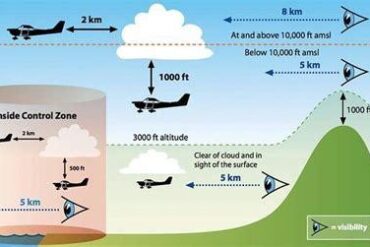
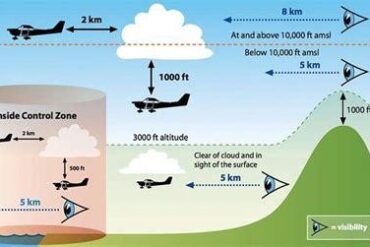
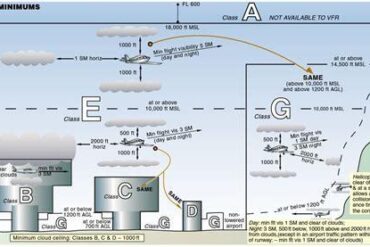
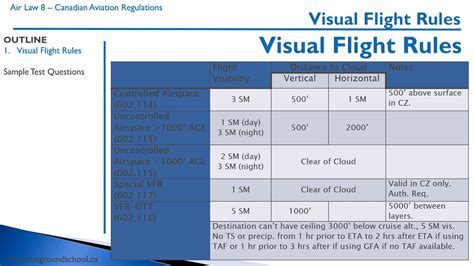
Legally, scud running is permissible as long as VFR minimums are met. These vary depending on airspace and altitude but typically include visibility of 3 statute miles and cloud clearance of 500 feet below, 1,000 feet above, and 2,000 feet horizontally.
However, legal doesn’t mean safe. Pilots operating at or near VFR minimums — especially in unfamiliar or mountainous terrain — are taking enormous risks.
Regulatory agencies and aviation safety boards continuously emphasize the need for conservative go/no-go decisions. Training, scenario-based planning, and respecting personal minimums are critical to resisting the impulse to scud run.
Lessons from the Past
One of aviation’s greatest strengths lies in its learning culture. Pilots are encouraged to study accident reports, attend safety seminars, and participate in community discussions to refine their decision-making.
The ASA Aviation Weather guide, for example, offers foundational understanding of atmospheric patterns and how to interpret and respond to them. Pilots equipped with this knowledge are far less likely to engage in hazardous scud running or to misjudge the dynamics of deteriorating visibility.

Is It Ever Justifiable?
While overwhelmingly discouraged, there are rare scenarios where experienced pilots might judge scud running to be the lesser evil:
-
An unexpected navigation system failure
-
Severe icing or turbulence at IFR altitudes
-
Remote terrain with no viable alternate airport
Still, such decisions must be approached with meticulous risk evaluation. As helicopter pilot and aviation writer Maria Langer notes: “Scud running is never a good idea, but sometimes it’s the best idea under unforeseen circumstances.”
The crucial point is that these circumstances are rare and demand exceptional caution, planning, and flying skill.
Conclusion
Scud running remains one of the most dangerous forms of continued VFR flight. It is often born of subtle misjudgments rather than recklessness, yet its consequences are frequently fatal. Through training, awareness, and sound aeronautical judgment, pilots can avoid this trap.
The sky, when navigated with care, offers freedom unmatched. But it demands respect. Scud running tempts that respect — and too often, it punishes those who forget its price.
FAQ
What does “scud” refer to in aviation?
In aviation, scud refers to low, ragged cloud fragments typically found below larger cloud systems, especially near cold fronts or thunderstorms. These clouds often hang just above the terrain, tempting pilots to fly below them in marginal visibility.
Why is scud running considered so dangerous?
Scud running is dangerous due to the combination of low visibility, minimal reaction time, terrain elevation changes, and obstacles like towers. These factors severely reduce a pilot’s margin for error and dramatically increase the risk of controlled flight into terrain (CFIT).
Can IFR clearance always prevent the need for scud running?
Not always. IFR clearance requires both pilot certification and aircraft equipment compliance. In some remote areas or uncontrolled airspace, immediate IFR routing may be unavailable. Nonetheless, being IFR-rated and current significantly reduces reliance on VFR in marginal weather.