Introduction
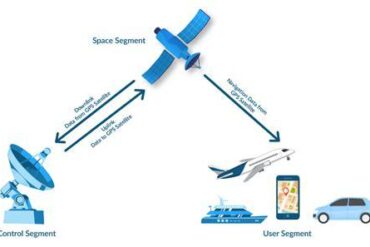
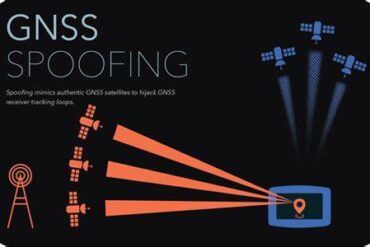
The accuracy, affordability, and usability of Global Navigation Satellite Systems (GNSS) have improved significantly. As a result, more Visual Flight Rules (VFR) pilots are using GNSS as a navigation aid. However, like many new technologies, some safety concerns have emerged. Improper use or overreliance on GNSS has been linked to several safety incidents.
Main Issues
The most common issues related to GNSS in aviation include:
-
Overreliance on GNSS: In various regions, National Aviation Authority (NAA) regulations permit GNSS as a supplement but not as the only navigation method. While GNSS is generally reliable, situations like battery failures or software errors can render it unusable. Overdependence can lead to complacency, resulting in inadequate pre-flight preparation. A GNSS failure can cause loss of orientation, leading to airspace infringements or fuel emergencies.
-
Improper Use of the “Go to” Function: The “Go to” function provides a direct path between the aircraft and a selected point without considering airspace boundaries or restricted areas. Misusing this feature can easily lead to airspace violations.
-
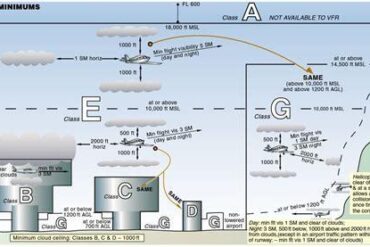
False Sense of Safety: GNSS units can guide pilots regardless of weather conditions. In marginal weather, crews might continue their flights instead of following standard diversion procedures, increasing the risk of Controlled Flight Into Terrain (CFIT).
Typical Scenarios
Overreliance on GNSS combined with poor pre-flight preparation can lead to various safety issues, including:
-
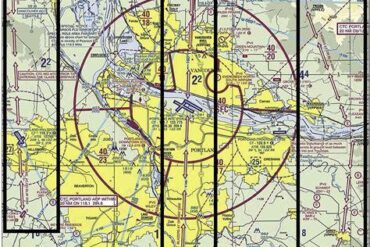
Aircraft inadvertently entering controlled airspace due to improper use of the “Go to” function or outdated GNSS data.
-
Unauthorized entry into danger, prohibited, or restricted areas for similar reasons.
-
Loss of orientation from GNSS failure, particularly if no other navigational aids are available.
-
Fuel emergencies arising from navigational errors.
-
Crossing interstate borders and being classified as an intruder due to navigational mistakes.
-
Collisions with obstacles in marginal weather due to outdated charts or GNSS data.
-
Loss of separation caused by lack of visual scanning due to focus on GNSS equipment.
-
Poor communication with air traffic control, increasing workload for both pilots and controllers.
Defenses
To enhance safety, pilots should:
-
Use GNSS only as a supplementary tool for VFR flights.
-
Employ the “Go to” function cautiously, ensuring no airspace infringements.
-
Remain aware of their position and prepared to act in case of worsening weather.
-
Conduct thorough pre-flight planning, paying attention to prohibited or restricted areas.
-
Carry appropriate maps, especially when unfamiliar with the route.
-
Familiarize themselves with GNSS equipment and software, as in-flight manipulation is more complex than on the ground.
-
Utilize up-to-date GNSS data to minimize the risk of airspace infringements.
GPS Problem Areas
The Global Positioning System (GPS) varies widely in equipment and installation. Commercial aircraft typically have permanently installed systems with power supplies and integration with other flight systems. In contrast, general aviation often uses portable, battery-powered devices that can complicate navigation if not understood properly.
Currently, there is little formal guidance on using standalone GPS in General Aviation (GA), which poses challenges for pilots who may not know how to use GPS effectively as a supplementary navigation aid. Instruction manuals can be complex, and many pilots need assistance in applying GPS capabilities safely. Some flying clubs offer sessions where experienced users demonstrate their systems, but this may not guarantee comprehensive understanding.
Challenges to Successful Use of GPS
Several technical challenges exist when using GPS:
-
Equipment Installation: Issues such as battery failure or poor aerial reception can hinder performance.
-
Data Programming: Accurate data input is crucial, and pilots should cross-check positions against maps before relying on GPS.
-
Using the “Go to” Function: Care is needed to avoid airspace infringements after changing tracks.
-
Database Accuracy: Pilots must ensure databases are current, as outdated information can lead to navigation errors.
-
Lookout: Reprogramming GPS can divert attention from outside, increasing risk.
-
Excessive Reliance: Using GPS as the sole navigation aid can result in significant errors.
-
Pressing on in Bad Weather: Knowing GPS accuracy may tempt pilots to proceed in adverse conditions, increasing risks.
By understanding these challenges and employing best practices, VFR pilots can navigate safely using GNSS.