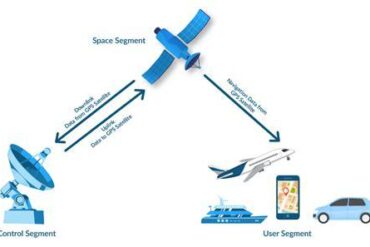
Aviation relies heavily on the Global Navigation Satellite System (GNSS) for better navigation and air traffic control. However, to fully benefit from GNSS, it’s crucial to protect its signals from electromagnetic interference. This interference can lead to loss or degradation of GNSS services.
Potential sources of interference come from both systems that operate within the same frequency bands as GNSS and those outside these bands. Interference can be intentional, known as “jamming,” or unintentional.
Some non-aeronautical systems transmit radio signals to enhance GNSS coverage in places where signals are weak, like inside buildings. These include GNSS repeaters and pseudolites. GNSS repeaters, or “re-radiators,” amplify existing signals and re-broadcast them. Pseudolites, on the other hand, are ground-based systems that create signals similar to those from GNSS satellites. If these systems don’t function correctly, they can disrupt the reception of original GNSS signals used by aircraft and other aviation systems, affecting various GNSS applications.
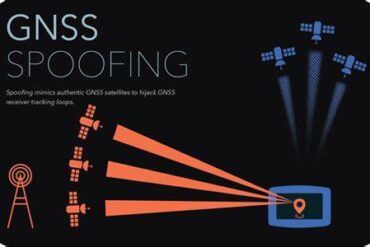
GNSS jammers intentionally create harmful interference to disrupt GNSS signals. These devices are often used to block GNSS position information, which can impact not only the intended targets but also all GNSS users. The effects of jamming can be much broader than the operator anticipates. If GNSS-based services, like fee collection or tracking, are poorly designed, the use of jammers might increase, allowing users to avoid charges or tracking.
Additionally, systems that operate outside GNSS frequency bands can also interfere with GNSS if they are not well-designed or properly regulated. Ensuring the integrity of GNSS signals is essential for safe and efficient aviation operations.