In October 2011, a seminar on laser interference in aviation took place at the EUROCONTROL Headquarters in Brussels. This event aimed to gather all stakeholders interested in addressing the growing threat of unauthorized laser interference in aviation. It focused on promoting a united approach to enhance safety in the skies.
Recently, there has been a notable rise in the use of lasers outdoors for legitimate activities like laser shows and tests. However, a more concerning trend is the increase in the intentional misuse of laser pointers to target aircraft and air traffic control facilities. This article will explore the nature of laser devices (Light Amplification by Stimulated Emission of Radiation) and the potential dangers they pose, especially to pilots during crucial flight phases such as take-off and landing.
The hazardous visual effects of lasers are typically observed at night. Lasers emit a powerful, coherent beam of light with wavelengths ranging from 400 to 700 nanometers. The main visual effects include:
-
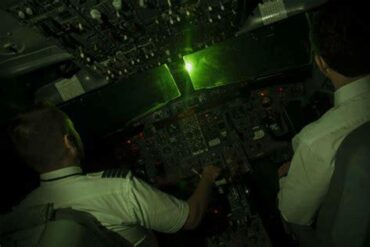
Distraction and Startle: An unexpected laser beam can divert a pilot’s attention during nighttime operations.
-
Glare and Disruption: As laser intensity increases, it may compromise a pilot’s vision, particularly affecting night vision.
-
Temporary Flash Blindness: Similar to the effect of a bright camera flash, this can temporarily impair part of a pilot’s visual field, sometimes leaving afterimages.
Several factors influence the impact of lasers in aviation, including weather conditions, time of day, laser power, color, distance and angle relative to the aircraft, the aircraft’s speed, and exposure time.
To mitigate hazards associated with lasers in navigable airspace, various strategies are employed:
-
Laser Light Hazard Reduction: This focuses on preventing laser light from entering navigable airspace, especially around airports and established flight paths. In the U.S., automated detection systems can reduce or terminate laser power when necessary, while observers help keep lasers away from flying aircraft.
-
Regulatory Measures: National regulations aim to limit the sale and use of lasers, alongside public education on safe usage. Warning labels on devices, especially those above 5mW, highlight the risks of directing lasers at aircraft. Some manufacturers actively support enhancing regulations.
-
Pilot Defenses: Training pilots in recovery techniques is crucial. Techniques include looking away from the beam, engaging autopilot, and adjusting cockpit lighting. Pilots are also advised to check NOTAMs for laser activity along their flight path and report any incidents to air traffic control.
-
Air Traffic Control Defenses: Controllers must recognize and respond to laser illuminations without attempting to locate the source. They should inform affected aircraft and report incidents following company and national guidelines.
-
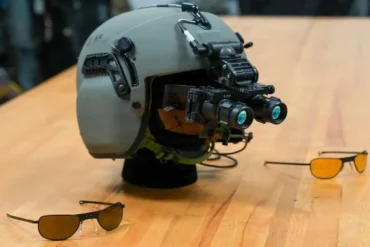
Physical Defenses: While wearing laser safety goggles is generally impractical, glare shields may provide limited protection.
-
Regulations and Control: The FAA in the U.S. has designated airspace zones around airports that restrict laser power. These zones include Laser Free Zones near airports, Critical Flight Zones within 10 nautical miles where light intensity must remain below 5 microwatts per square centimeter, and optional Sensitive Flight Zones with a maximum light intensity of 100 microwatts per square centimeter.