The European Union Aviation Safety Agency (EASA) and the International Air Transport Association (IATA) have launched a robust action plan aimed at mitigating the growing risks associated with Global Navigation Satellite System (GNSS) interference in aviation. This significant initiative was introduced following a pivotal workshop conducted on May 22-23, 2025, at EASA’s headquarters in Cologne, Germany, which brought together over 120 experts, government representatives, and international organizations to address the alarming rise of GNSS jamming and spoofing incidents that threaten aviation safety.
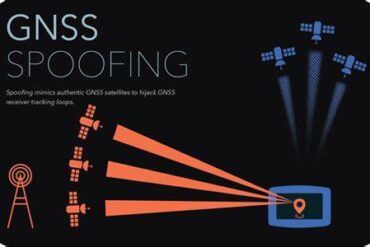
In recent years, the aviation industry has seen a staggering increase in cases involving GNSS interference, particularly concerning the jamming and spoofing of GPS signals. Reports indicate that the number of global positioning system signal loss events skyrocketed by 220% between 2021 and 2024, primarily affecting regions such as Eastern Europe and the Middle East. These disruptions present substantial challenges to flight safety, as GNSS systems are crucial for navigation, communication, and safety protocols in modern aviation. The escalating frequency and sophistication of these disruptions necessitate a more proactive and comprehensive approach from aviation stakeholders. As Jesper Rasmussen, EASA’s Flight Standards Director, aptly noted, “GNSS disruptions are evolving in terms of both frequency and complexity. We are no longer just containing GNSS interference; we must build resilience.”
To effectively address these challenges, the joint report, titled “Inside Enterprise Attractions,” outlines four pivotal areas for action:
Enhanced Reporting and Monitoring
The first critical step involves enhancing the mechanisms for reporting and monitoring GNSS interference incidents. EASA and IATA propose adopting standardized radio calls to report interference events and implementing standardized Notice to Airmen (NOTAM) coding, such as Q codes. Furthermore, real-time monitoring of airspace and the prompt dissemination of information to relevant authorities will be essential for effective incident management. This approach aims to ensure timely reporting and comprehensive situational awareness, particularly in airspace where GNSS reliance is high.
Prevention and Mitigation
Another key element of the action plan focuses on tightening controls over jamming devices. The agencies recommend implementing stricter regulations, including export and licensing restrictions, to limit the availability of such devices. In addition, supporting the development of technical solutions will be prioritized, including technologies designed to reduce false terrain warnings, enhance situational awareness through portable spoofing detectors, and expedite GPS equipment recovery following interference incidents. These innovations aim to minimize the operational impact of GNSS disruptions, thus safeguarding aviation safety.
Infrastructure and Airspace Management
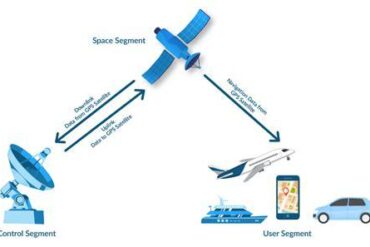
A fundamental aspect of the strategy is the strengthening of the infrastructure that underpins GNSS systems. This entails maintaining backup systems for GNSS, utilizing traditional navigation aids in instances of signal loss, and better leveraging military air traffic management capabilities. Tactical air navigation networks, coupled with real-time monitoring of GNSS incidents in airspace, are crucial for ensuring that aviation operations remain safe and effective even amid GNSS interference. The plan also emphasizes enhancing airspace contingency procedures, enabling aircraft to navigate securely despite disruptions.
Coordination and Preparedness
Improving civil-military coordination emerges as another priority area in the action plan. By enhancing the sharing of GNSS radio frequency interference (RFI) event data, both civil and military agencies can respond more swiftly and effectively to disturbances. Additionally, preparing for evolving threats, particularly those posed by drones, necessitates continuous adaptation and collaboration among relevant stakeholders. The increasing utilization of drones and unmanned aircraft systems (UAS) in both commercial and military contexts presents a new challenge to GNSS integrity, further underscoring the need for a dynamic, collaborative approach.
The release of this joint action plan represents a pivotal step in reinforcing aviation safety and resilience against the backdrop of increasingly complex GNSS interference. Nick Careen, IATA Senior Vice President of Operations, Safety, and Security, highlighted the urgency of a global response to this escalating threat, stating, “The number of GPS signal loss events has increased dramatically, and with ongoing geopolitical tensions, it is clear this trend is likely to continue. We must act together, without delay, to reinforce the redundancies built into the system and ensure flying remains safe.”
Looking ahead, EASA and IATA are urging the International Civil Aviation Organization (ICAO) to prioritize these pressing issues at its forthcoming Assembly. Global alignment on standards, guidance, and reporting is paramount in addressing these threats and ensuring that the aviation sector remains secure, navigable, and resilient in the face of evolving challenges.
A Call for Global Collaboration
Both IATA and EASA have reiterated the necessity for ongoing collaboration across the aviation industry. They acknowledge that the issue of GNSS interference cannot be resolved by a single organization or nation alone. Careen concluded, “To stay ahead of the threat, aviation must act together.” The comprehensive action plan—focusing on enhanced reporting, prevention, infrastructure strengthening, and improved coordination—provides a strategic blueprint for managing the escalating risks associated with GNSS interference. As the aviation industry progresses, these concerted efforts will be critical to sustaining the safety and security of air travel on a global scale.