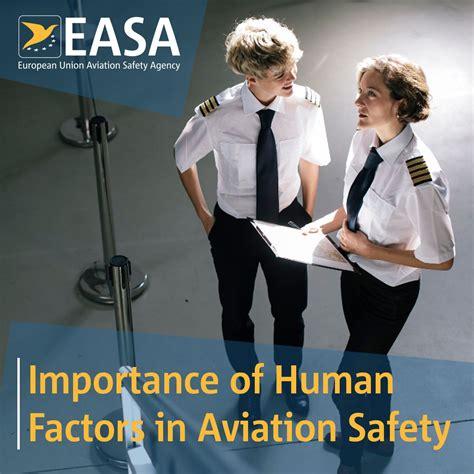
The European Union Aviation Safety Agency, known as EASA, is a crucial part of the EU’s efforts to maintain safety in civil aviation. Established in 2002 by Regulation (EC) No 216/2008, EASA aims to implement consistent safety rules across member countries. It took over from the Joint Aviation Authorities (JAA), which ceased operations in 2009. Unlike the JAA, EASA operates directly under EU law, making it a true regulatory authority. This change means that EASA can enforce safety regulations more effectively, unlike the JAA, which relied on member states to follow its guidelines without any legal backing.
EASA’s mission focuses on promoting high safety standards and protecting the environment within civil aviation. Over time, the agency has expanded its responsibilities. In 2008, its role grew to include Flight Operations and Flight Crew Licensing. By 2009, further regulations allowed EASA to oversee aerodromes, air traffic management, and air navigation services. However, it’s important to note that military and police aviation activities remain outside EASA’s jurisdiction.
The responsibilities of EASA are extensive. They offer expert advice to the EU for drafting new legislation, develop and monitor safety rules, and conduct inspections in member states. EASA also certifies aircraft and components, approves organizations involved in aviation, and ensures personnel certifications are up to standard. Additionally, they analyze safety data and publish an Annual Safety Review to keep track of aviation safety trends.
To achieve these tasks, EASA adopts various types of acts. They can issue binding decisions, such as granting aircraft type certificates, and non-binding documents that provide guidance for compliance during certification processes. EASA officially became operational on September 28, 2003, and set its headquarters in Cologne, Germany. The agency can also establish local offices in member states with their consent. The Executive Director leads EASA, making critical decisions about safety and environmental protection.
An independent Board of Appeal exists to ensure that the Executive Director follows EU legislation correctly. The Management Board, made up of one representative from each member state and the Commission, defines EASA’s priorities and oversees its budget. They elect a Chairperson and Deputy Chairperson for a three-year term, which can be renewed. The Advisory Board supports the Management Board, including representatives from various sectors of the aviation industry.
EASA employs around 400 professionals focused on core safety tasks, managed through several directorates. Its funding comes from the European Community, fees for certifications, and charges for training and publications. The agency uses transparent methods for developing opinions and guidance materials, ensuring that all relevant parties are consulted. This process allows EASA to respond quickly to safety issues.
EASA also conducted the European Strategic Safety Initiative (ESSI) from 2007 to 2016, aimed at enhancing aviation safety in Europe. Although ESSI has closed, its functions have been integrated into EASA’s ongoing safety risk management efforts. Through these initiatives, EASA continues to play a vital role in maintaining and improving aviation safety across Europe.