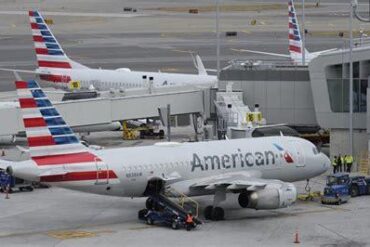
American Airlines has abruptly paused its controversial plan to operate Boeing 787-9 Dreamliners with a reduced crew of just seven flight attendants, following increasing pressure from the Federal Aviation Administration (FAA) and a growing wave of union objections centered on safety and emergency preparedness. The move highlights a critical crossroads in the balance between operational efficiency and aviation safety compliance, with implications that may reverberate across the entire commercial aviation sector.
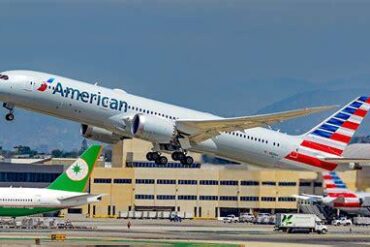
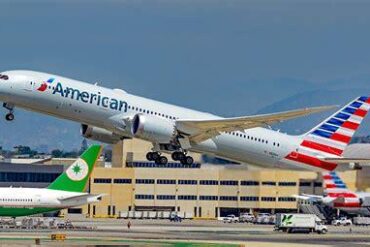
At the heart of the dispute is American Airlines’ attempt to streamline crew assignments aboard its Boeing 787-9P variant—a specially configured Dreamliner outfitted with luxury Flagship Business class seats and a premium international service layout. These aircraft, already flying between Chicago O’Hare (ORD) and Los Angeles (LAX) and planned for long-haul operations to London Heathrow (LHR), were slated to operate with one fewer crew member than currently mandated. But without FAA approval, the airline has been forced to maintain the existing eight-attendant requirement.
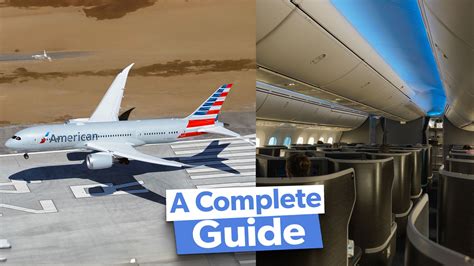
FAA Blocks Crew Reduction Over Emergency Exit Coverage
The FAA’s decision centers on crew-to-exit ratio compliance, a strict requirement under U.S. commercial aviation regulations. FAA evaluators determined that seven flight attendants would be insufficient to adequately cover the aircraft’s four sets of main cabin exits—a key operational risk in the event of an evacuation. Of particular concern was the idea that one flight attendant might be tasked with managing both rear exit doors (4L and 4R), potentially compromising evacuation timelines and increasing risk during high-pressure emergencies.
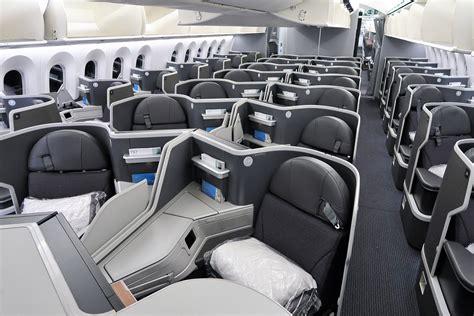
The FAA has also withheld final certification for several cabin features aboard the 787-9P. Although the Dreamliner boasts a revolutionized passenger experience, including Flagship Business suites with sliding doors, these innovations still require regulatory validation. Until certified, FAA protocols stipulate that these doors must remain open during flight—an interim safety concession that undermines the airline’s fully-realized premium vision.
Union Resistance Adds to the Pressure
The Association of Professional Flight Attendants (APFA) has been a central force opposing the crew reduction initiative. The union has repeatedly warned that a seven-member crew would dangerously overstretch attendants, undermining both safety and service quality. According to the APFA, American Airlines’ plan would burden rear-cabin crew with disproportionate emergency responsibilities, eroding the ability to conduct rapid evacuations under duress.
APFA representatives also cited increasing onboard service demands without corresponding increases in staffing. Recent service enhancements—such as reintroduced beverage offerings on long-haul domestic routes and expanded amenities on transatlantic flights—have raised the workload for existing crew, even as the airline looked to trim headcount aboard its flagship international aircraft.
Industry Precedents and Global Discrepancies
While American Airlines faces FAA scrutiny, competitors such as United Airlines and Delta Air Lines have succeeded in securing crew reductions on similar widebody aircraft, including the Boeing 787-10 and Airbus A330. These cases underscore a fragmented regulatory landscape in which airline-specific configurations, safety equipment layouts, and crew responsibilities are considered on a case-by-case basis. However, APFA argues that comparisons are flawed, given differences in onboard service protocols and aircraft interior designs.
Globally, the European Union Aviation Safety Agency (EASA) permits minimum six-crew operations on the 787 under exceptional conditions, such as crew illness or last-minute absences. American’s plan, however, seeks to institutionalize a reduced staffing norm for economic and scheduling efficiency. Critics argue that this represents a systemic lowering of safety standards, rather than a contingency-based solution.
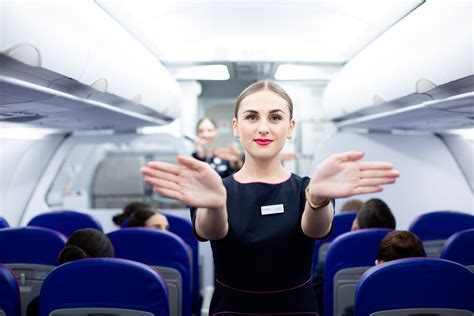
Inside the 787-9P: Design Innovation Meets Certification Challenges
American Airlines’ 787-9P is a critical pillar of its premium product strategy, designed to attract high-yield business travelers on transcontinental and transatlantic routes. The aircraft’s signature feature—51 Flagship Business seats each with sliding privacy doors—has garnered attention from passengers and analysts alike. Four Flagship Preferred Suites elevate the experience further, offering near-first-class levels of comfort in a business-class format.
But as innovation accelerates, certification timelines have lagged. FAA regulators continue to evaluate how interior modifications interact with safety protocols, especially regarding crew movement and emergency access. The temporary mandate to keep suite doors open reflects ongoing uncertainty over whether the new layout can fully meet evacuation efficiency standards in worst-case scenarios.
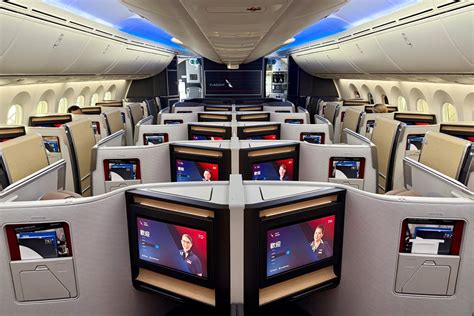
Balancing Service Quality with Regulatory Constraints
Despite the certification delays, American Airlines has pressed forward with service upgrades to enhance passenger experience. These include main cabin refreshments, streamlined boarding procedures, and expanded meal services on long-haul flights. However, APFA warns that these perks come at a cost—exhausted flight attendants, some of whom have reported escalating workloads without additional help.
This strain is compounded by the airline’s desire to reduce staffing, creating a collision point between customer satisfaction and crew capacity. Critics argue that improved services are only sustainable with corresponding increases in manpower, not cuts. At the same time, American Airlines remains under pressure to optimize labor costs and minimize crew scheduling bottlenecks on long-distance international rotations.
A Broader Industry Reckoning on Crew Ratios
The 787-9P dispute reflects a deeper industry reckoning about how modern airlines balance luxury service models with stringent regulatory frameworks. As international carriers move toward more bespoke cabin experiences, safety regulators are tasked with ensuring that design innovation does not compromise emergency response readiness.
For American Airlines, this means carefully navigating the FAA’s strict crew-exit formulas while also responding to competitive pressure from rivals offering similarly premium experiences. The airline’s willingness to pause its seven-crew proposal indicates both the seriousness of FAA concerns and the strength of union influence over critical staffing decisions.
The Road Ahead: Operational Uncertainty and Industry Implications
Looking forward, American Airlines must engage in detailed dialogue with the FAA and labor groups to carve out a sustainable path forward. Whether through cabin design adjustments, software-based evacuation modeling, or union-backed exceptions, the airline must prove that it can maintain safety standards without compromising operational agility.
Any resolution may set a precedent for future crew configurations across the fleet—not just at American, but potentially influencing FAA policy and union negotiations nationwide. Should American secure approval, it would mark a significant step toward leaner widebody operations. Should the FAA remain steadfast, it may reinforce a regulatory ceiling that preserves traditional staffing levels regardless of onboard design.
For now, American Airlines has put its plan on hold. But with mounting pressure to cut costs and intensifying competition on premium long-haul routes, the issue is far from settled. The eyes of the aviation world remain fixed on what comes next—and whether this moment marks a safety reaffirmation or a turning point in airline crew economics.