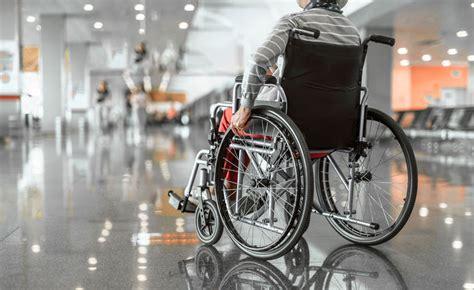
The U.S. Department of Transportation (DOT) has once again delayed enforcement of long-awaited regulations aimed at improving air travel for passengers who use wheelchairs. Initially set to roll out in phases beginning January 2025, the DOT now confirms that no enforcement action will begin before August 1, 2025. This postponement follows substantial resistance from major U.S. airlines and an ongoing lawsuit challenging the scope of the new mandates.
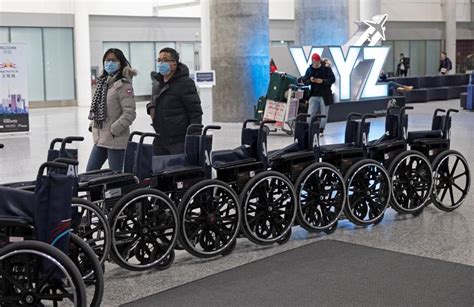
What the New Regulations Aim to Achieve
At the core of the DOT’s regulatory overhaul is a comprehensive attempt to enhance accessibility and accountability in the airline industry, especially for those who rely on mobility devices. For decades, disabled travelers have faced rampant wheelchair damage, long wait times, and insufficient assistance, all exacerbated by unclear enforcement mechanisms. The finalized rules—developed under the Biden administration—were widely seen as a major step forward.
The regulations mandate several key improvements:
- Clearer Definitions for Mishandled Equipment: Airlines will be subject to fines if they return a wheelchair in a condition different from how it was received.
- Annual Mandatory Training: Employees involved in wheelchair handling must undergo annual training before being permitted to assist passengers or load devices onto aircraft.
- Stricter Repair and Replacement Standards: In cases of damage or loss, airlines must act swiftly and responsibly, ensuring wheelchairs are repaired or replaced in a timely and satisfactory manner.
- Improved Passenger Assistance: Carriers are required to provide prompt and effective help for passengers needing aid during boarding, deplaning, or making flight connections.
- Cargo Hold Transparency: Airlines must disclose cargo hold dimensions and must reimburse travelers if they are forced to book more expensive flights solely due to wheelchair accommodation needs.
Together, these measures are intended to significantly reduce the burden disabled passengers experience, a reality that has been grossly underreported in mainstream aviation oversight.
Airline Resistance and Legal Maneuvering
Despite the humanitarian goals of the regulation, airlines have fought back—hard. In February 2025, American Airlines, Delta Air Lines, JetBlue, Southwest, United Airlines, and their umbrella lobbying organization, Airlines for America (A4A), filed a joint lawsuit against the DOT. Their main contention: that the DOT has overstepped its legal authority.
While A4A conceded that some parts of the regulation were acceptable, they claimed that others were overly broad, economically burdensome, and not operationally feasible. The lawsuit is seen by many as a calculated delay tactic, aimed at either watering down the rules or halting them altogether.
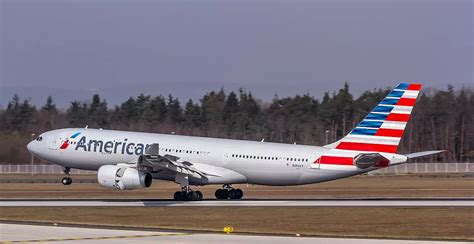
The DOT, in response, has chosen to delay enforcement rather than risk immediate legal escalation. This move gives both regulators and airline lobbyists more time to negotiate modifications and possibly settle disputes outside of court.
A Pattern of Postponements
This is not the first time the enforcement date has been pushed back. Originally, the rollout was to start in January 2025, with several components—particularly training mandates—phased in by mid-2026. However, under the Trump administration, the schedule was first delayed to March 2025. Now, enforcement won’t start until at least August 2025, and even that date is uncertain.
Advocates for disability rights, including organizations like Paralyzed Veterans of America and National Disability Rights Network, have sharply criticized the repeated delays. To them, the pattern reflects a lack of urgency and an unwillingness to prioritize inclusivity within the federal transportation apparatus.

The Cost of Inaction
The consequence of postponement is not theoretical. Every month that the regulations remain unenforced, thousands of passengers with disabilities continue to face significant risks and discomfort during air travel. Common issues include:
- Wheelchairs returned damaged or not at all.
- Long delays in receiving mobility aids upon arrival.
- Untrained airline staff causing confusion and sometimes injury.
- Limited access to necessary information about whether mobility devices can be stowed safely.
In some tragic cases, passengers have been forced to crawl off planes due to lack of assistance or have faced prolonged medical issues when mobility devices were lost or damaged. For these individuals, air travel is not merely uncomfortable—it is often inhumane.
Economic vs. Ethical: Airlines’ Position
From the airline industry’s perspective, compliance comes at a cost. Modifying training protocols, improving cargo holds, and enhancing assistance infrastructure involve operational investments that carriers are reluctant to make in a post-pandemic world of tight margins. Airline representatives argue that these mandates require funding and logistical timelines that are simply not feasible to meet overnight.
Yet critics argue that profit margins cannot justify denying human dignity. The airline industry has been historically slow in adapting to disability rights, and many feel the delay is less about feasibility and more about resisting accountability.
Legislative and Public Pressure Mounts
Lawmakers sympathetic to the cause are not standing still. Members of Congress, particularly from committees focused on transportation and human rights, have started calling for hearings. Several Democratic senators are considering proposing new legislation to codify the DOT’s rules into federal law—an action that could bypass many of the legal challenges currently stalling the enforcement.
Public opinion is also increasingly on the side of disabled travelers. Viral stories on social media, news coverage of mistreated passengers, and increasing visibility of disability advocates are galvanizing support for swifter action. Several advocacy groups have launched petitions and campaigns demanding immediate enforcement.
What Lies Ahead: A Legal and Ethical Crossroads
As the August 2025 enforcement deadline nears, the DOT stands at a crossroads. It must decide whether to stand firm on its commitment to accessibility or succumb to industry pressure. Likewise, the outcome of the lawsuit could set a powerful precedent for future regulatory actions in the aviation space.
Negotiations between the DOT and airline stakeholders are expected to continue throughout the summer. Key issues include:
- Clarification of enforcement mechanisms and penalties.
- Possible exemptions for regional or small-market carriers.
- Funding avenues or subsidies for compliance costs.
While the legal process may still take months to conclude, every delay represents another missed opportunity to make air travel safer and more inclusive.
Conclusion: A Long Road to Accessibility
The DOT’s repeated postponement of wheelchair protection rules highlights the challenging balance between civil rights and corporate resistance. While the Biden administration’s efforts have provided hope to many, implementation remains elusive.
For millions of Americans who depend on wheelchairs, the fight for dignified, equal access to air travel is far from over. Every regulation delayed is a real-life burden carried by real people. As stakeholders continue to clash in courts and boardrooms, one truth remains: until enforcement begins, promises of accessibility remain just that—promises.
The clock is ticking toward August. Whether that marks the beginning of true change or another bureaucratic stall will depend not just on lawsuits or lobbying—but on the political will to act decisively in favor of inclusion.