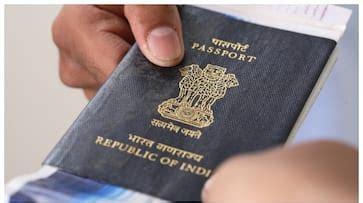
The US Embassy in India has issued a significant advisory for visa holders and applicants, highlighting the vital importance of adhering to legal requirements when entering the United States. This warning, which marks the third alert released within a single month, underscores that holding a valid US visa is not an unconditional right, but rather a privilege accompanied by strict legal responsibilities. As immigration enforcement intensifies, especially in states like California, this advisory serves as a crucial reminder for Indian citizens planning to travel or currently residing in the US.
In the latest announcement published on the embassy’s official website, officials emphasized that compliance with all applicable American laws is mandatory for maintaining visa validity. Any violation of federal, state, or local regulations can lead to severe repercussions, including immediate visa cancellation, denial of entry, or even removal from the United States. This message resonates particularly amidst a broader immigration crackdown initiated under the Trump administration, which has heightened scrutiny over visa usage and entry procedures.
The repeated alerts issued this month reflect growing concerns among American officials regarding the misuse of US visas and unauthorized migration attempts. The embassy’s proactive stance highlights a larger strategy aimed at reinforcing legal boundaries and dissuading any exploitation of visa privileges. In an earlier notice on June 10, the embassy reiterated its commitment to welcoming legitimate travelers from India while firmly stating that it “cannot and will not tolerate” illegal border crossings or visa violations. This stern reminder serves as a wake-up call for all travelers, emphasizing that legal status can be swiftly revoked if unlawful activities occur during their stay.
Following this, a subsequent announcement on June 16 broadened the scope of accountability, addressing not only individual violators but also those who assist in such actions. The embassy warned that visa restrictions would now apply to foreign government officials and others involved in facilitating unauthorized immigration into the US. This significant escalation indicates that the consequences of non-compliance extend beyond the individual attempting to enter illegally; they now encompass those enabling such behavior.
US officials have made it unequivocally clear that strict adherence to legal requirements is not merely a suggestion—it is a continuous condition for maintaining a valid visa. Travelers, particularly international students and temporary visitors, are reminded that even seemingly minor infractions—such as overstaying a visa, working without authorization, or failing to report a change of address—could trigger severe penalties. These penalties may include immediate visa revocation, entry bans, or long-term immigration consequences.
For Indian nationals, these advisories highlight the paramount importance of being fully informed about the terms and conditions of their visas. In this evolving landscape of tightened immigration policies and intensified enforcement measures, it is essential for travelers to ensure complete compliance to safeguard their current or future opportunities to visit or reside in the United States. The US government remains committed to welcoming those who enter the country through legal and transparent means for purposes such as tourism, education, employment, or family reunification. However, officials have made it abundantly clear that the system will not tolerate any misuse, deception, or breach of legal norms.
As travelers reflect on the recent surge in advisories from the US Embassy in India, it is crucial to view their visa not as a guaranteed entitlement but as a privilege—one that must be respected and preserved through lawful conduct at every stage of the immigration process. The implications of this advisory are profound, serving both as a warning and a guidepost for Indian citizens navigating the complexities of US immigration law. By understanding their responsibilities and ensuring compliance, travelers can better protect their rights and opportunities within the United States.