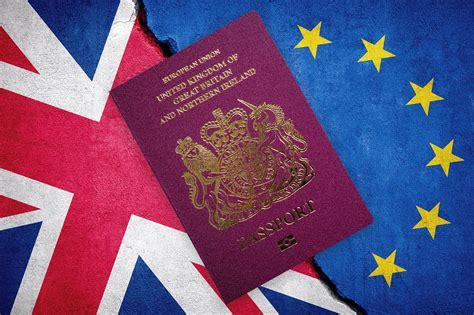
Travelers holding British passports are facing unexpected turmoil this summer as the United Kingdom issues a high-priority travel alert, warning of stringent post-Brexit passport rules that could derail European holidays. With new regulations now fully enforced across EU destinations, passengers failing to meet updated passport requirements risk being denied boarding, incurring substantial financial losses, and suffering last-minute vacation cancellations.
The urgent advisory, initially raised by London Luton Airport, underscores the nationwide implications of the updated EU travel requirements. It serves as a wake-up call to British travelers, many of whom are still unaware that passport validity alone is no longer sufficient under EU law. These changes are now being strictly implemented at every UK airport, from Gatwick and Manchester to Heathrow and Birmingham.
New Post-Brexit Passport Criteria Threaten Travel Plans
The root of the confusion lies in the updated rules governing UK passport validity when entering European Union countries. Unlike the pre-Brexit era, when a passport could be used up to its expiration date with minimal concern, the EU now imposes two distinct conditions for British travelers:
- Issue Date: Passports must have been issued within the last 10 years at the time of entry into the EU.
- Expiry Date: Passports must be valid for at least three months beyond the traveler’s intended date of departure from the EU.
This double-check system has blindsided countless travelers who mistakenly believed their passports were still valid simply because they hadn’t reached their expiry date. In reality, older UK passports could have been extended up to ten years and nine months—a practice no longer accepted under the new EU framework.
Misunderstandings Create Havoc at Departure Gates
Airlines and airport authorities have reported increasing incidents where British passengers are turned away at boarding gates despite holding what they assumed were valid documents. This often comes as a devastating shock to holidaymakers who have made extensive, non-refundable travel arrangements. Even more troubling is that many travelers only discover the problem during check-in or boarding, when there’s no time left to act.
This enforcement isn’t limited to London Luton—airports nationwide are obligated to follow EU regulations, and airlines are legally bound to deny boarding if documents don’t align with EU entry rules. The stringent policy enforcement has caused waves of frustration and confusion, particularly as peak summer travel season approaches.
UK Government Confirms the Rules and Fee Increases
The UK’s HM Passport Office has echoed the message, warning citizens to scrutinize both the issue and expiry dates of their passports long before travel. The consequences of non-compliance can be catastrophic for travel plans, yet entirely avoidable with early preparation.
Adding to the complication, passport renewal fees have recently risen—introducing a new layer of financial concern:
- Adult Passport (Online): £94.50
- Adult Passport (Paper): £107
- Child Passport (Online): £61.50
- Child Passport (Paper): £74
- Premium Fast-Track Service (Adult): £222
- Premium Fast-Track Service (Child): £189
These increases highlight the financial risks of procrastination. Should your passport be deemed invalid days before departure, you may be forced to use costly fast-track options, or worse, miss the trip altogether.
A Nationwide Alert for UK Holidaymakers
The warning from London Luton Airport is particularly relevant as the school holidays and summer vacation period approach. Many families book European getaways months in advance, unaware that their documentation might now fall foul of EU regulations. This issue isn’t just isolated to obscure destinations either—it includes mainstream hotspots like France, Spain, Portugal, Italy, and Greece.
The implications are not just logistical but deeply emotional. Families are finding themselves facing ruined holidays, even as children excitedly anticipate their first overseas experiences. Travel insurers, meanwhile, are not always obligated to reimburse cancellations due to passport non-compliance, leaving many travelers out of pocket with no recourse.
Why the Rules Changed After Brexit
The origin of these passport rules lies in the UK’s departure from the European Union. Prior to Brexit, UK citizens had freedom of movement across the EU, meaning travel documentation was treated with far greater leniency. Since the withdrawal, the UK is now considered a ‘third country’, and as such, all travelers must meet Schengen Area external border requirements.
These regulations aim to bring consistency to border checks and ensure third-country nationals only enter the EU with secure, recently issued documents. Unfortunately, this shift has caught many UK citizens unprepared—especially those who haven’t traveled internationally in recent years or rely on passports renewed pre-Brexit.
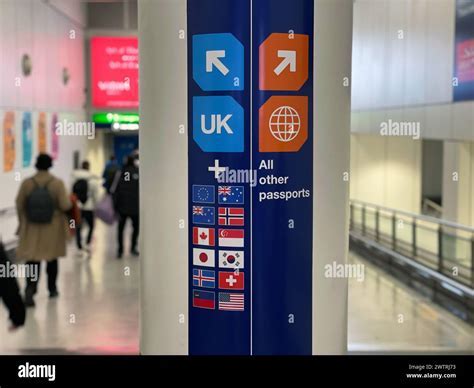
Avoiding a Travel Crisis: What Every Traveler Must Do Now
With the chaos mounting and thousands of travelers already affected, British citizens are being urged to act now. There is no shortcut or workaround to these rules, and checking your passport must become a standard part of your travel planning process. Travelers should:
- Verify both the issue and expiry date at least three months before their departure date.
- Use online tools from the HM Passport Office to confirm whether their passport is travel-compliant.
- Renew passports that are close to the 10-year issue limit or within the three-month expiry buffer, even if they appear valid.
- Consider the turnaround times for standard versus fast-track renewals, especially during peak travel months.
- Consult airlines or travel agencies if there’s any uncertainty about documentation.
The Cost of Being Uninformed
The implications of not following these new rules go beyond mere inconvenience. Travelers may face the complete loss of their holiday investment, from flights and hotels to car rentals and excursions. Emotional stress, especially when traveling with children or for special occasions like weddings or anniversaries, further exacerbates the issue.
Unlike delays caused by weather or airline strikes, passport denial is considered passenger fault, and travelers have no legal entitlement to compensation. Travel insurance policies often do not cover losses resulting from document irregularities, leaving families to absorb the full financial burden.
Government and Airline Communication Gaps Persist
Despite months of these rules being in effect, a lack of widespread public education campaigns has left many UK residents still in the dark. Some airports have placed signage or issued social media reminders, but national-level visibility remains low. Airlines also bear some responsibility, as pre-flight documentation checks rarely alert passengers in advance unless explicitly initiated.
The current system relies heavily on travelers being proactive and informed—something that not all citizens are, particularly those who are elderly or less tech-savvy. As travel ramps up, experts warn that without a coordinated government and airline effort, passport-based disruptions will continue to climb.
Final Warning to UK Travelers: Don’t Assume, Confirm
Whether you’re headed for a romantic escape in Paris, a beach retreat in Spain, or a historic tour through Rome, British travelers must now take a more meticulous approach to their travel documents. Post-Brexit Europe demands more than just a valid passport—it demands one that meets specific issue-date and validity criteria.
Ignoring this advice could mean the difference between sipping wine in the Riviera and watching your plane take off without you.
The message from airports and government agencies is stark but simple: Don’t assume your passport is valid—confirm it.
Conclusion: A Call for Vigilance
The United Kingdom’s urgent travel alert is a crucial reminder of the new reality British citizens face when heading to the continent. As Brexit continues to redefine border interactions, travelers must evolve their expectations and habits. That begins with checking the front page of their passport—not the booking confirmation.
Holidaymakers dreaming of European escapes must ensure their documents reflect not just legality, but full compliance. The sooner this message reaches the public consciousness, the fewer disappointed faces will appear at boarding gates this summer.