U.S. Marines of the 22nd Marine Expeditionary Unit (22nd MEU) have launched an intensive phase of maritime interdiction training in the Caribbean Sea, amid Washington’s mounting efforts to clamp down on sanctions violations and illicit oil transport. This evolving operational theater sees the convergence of military readiness, geopolitical maneuvering, and maritime law enforcement, placing the Marines at the forefront of a strategic campaign that spans international waters and global energy routes.
Strategic Deployment of the 22nd Marine Expeditionary Unit
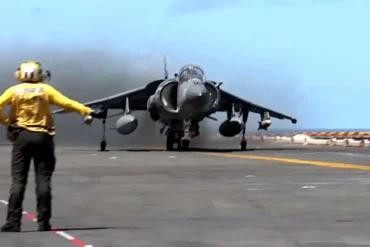
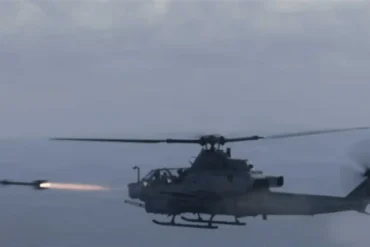
The 22nd MEU, one of the U.S. Marine Corps’ most agile forward-deployed forces, is composed of a reinforced infantry battalion landing team, a composite aviation combat element, a combat logistics battalion, and an integrated command element. Currently embarked aboard the Iwo Jima Amphibious Ready Group, this force structure enables the MEU to deliver rapid response capabilities across a range of mission profiles, from combat operations to maritime security and humanitarian relief.
Operating under U.S. Southern Command (USSOUTHCOM), the MEU’s current positioning in the Caribbean Sea is not accidental. The region is a strategic nexus for energy shipping routes, narcotics trafficking lanes, and geopolitical flashpoints involving sanctioned nations like Venezuela. In this context, the 22nd MEU’s presence underlines the U.S. military’s commitment to maritime domain awareness and forward deterrence.
Maritime Special Purpose Force Leads High-Risk Training
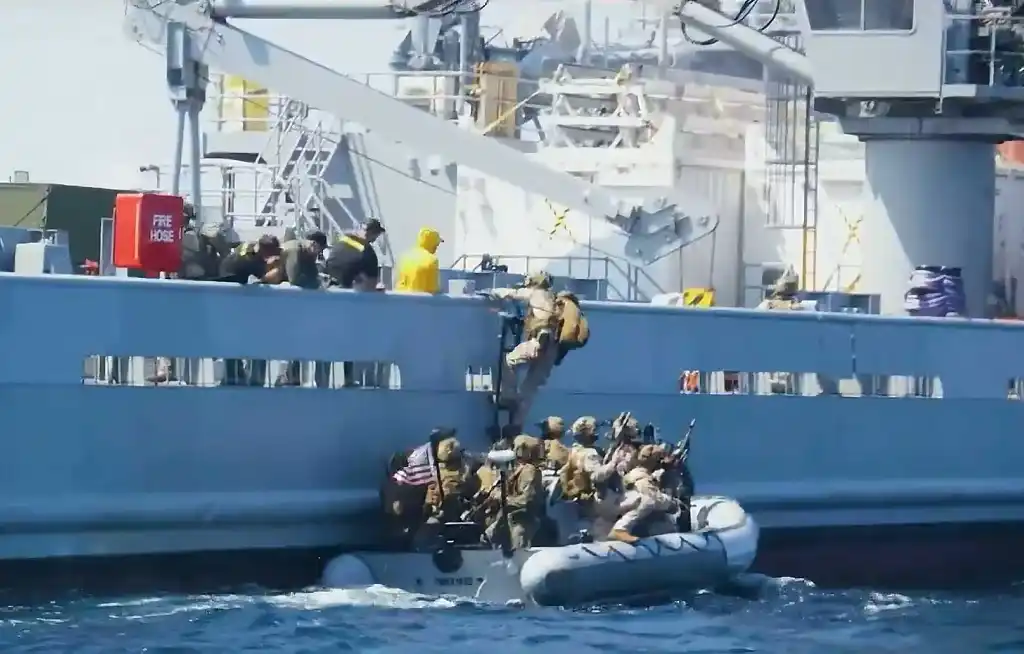
The Maritime Special Purpose Force (MSPF)—a specialized sub-unit within the MEU trained for sensitive interdiction and boarding operations—spearheaded the training. Using rigid-hulled inflatable boats (RHIBs) launched from amphibious assault ships, MSPF Marines simulated complex visit, board, search, and seizure (VBSS) operations.
The drills emphasized:
- High-speed RHIB maneuvers to intercept moving vessels.
- Boarding under duress, including ladder ascents and ship-to-ship transfers.
- Clearing compartments, securing bridges, and detaining personnel.
- Command and control synchronization with U.S. Navy assets.
- Rules of engagement protocols in congested maritime environments.
This suite of capabilities directly aligns with real-world operational needs in the region, where civilian tankers, often crewed by non-combatants and carrying volatile cargoes, pose unique tactical and legal challenges.
Real-World Reinforcement: December 2025 Interdictions
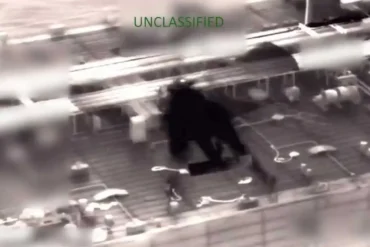
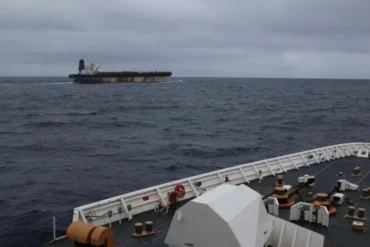
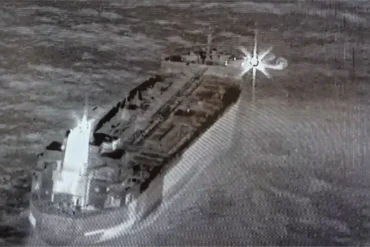
The training follows closely on the heels of actual interdictions conducted in December 2025, where U.S. forces seized multiple sanctioned oil tankers. Among them, the Skipper and Centuries—both suspected of transporting Venezuelan crude oil in violation of U.S. sanctions—were boarded and taken under U.S. control in international waters. These interdictions mark the operational rollout of Operation Southern Spear, a campaign that has redefined the rules of engagement in the Caribbean.
The scope of the operation is substantial:
- Involves aircraft carriers, destroyers, amphibious assault ships, and Coast Guard cutters.
- Represents the largest U.S. naval presence in Caribbean waters in decades.
- Seeks to establish a quarantine zone against oil shipments allegedly financing criminal networks and narco-trafficking.
These interdictions signal a pivot in U.S. policy—from passive monitoring to proactive enforcement, with the U.S. military increasingly tasked with economic disruption missions underpinned by national security justifications.
Oil Tankers as Strategic Targets in a Maritime Chessboard
The decision to target oil tankers underscores a significant evolution in U.S. military priorities. No longer confined to counter-narcotics patrols, the Caribbean theater now demands interdiction expertise applicable to strategic commodities and dual-use logistics platforms.
Oil tankers present a particularly thorny challenge. Their immense size, flammable cargo, and multi-national crews introduce tactical risks and legal complexity. Operations involving these vessels require:
- Non-lethal force options and precision planning.
- Cross-agency collaboration, especially with Department of Homeland Security and U.S. Coast Guard.
- Onboard evidence collection to support international legal proceedings.
The need for specialized forces like the MSPF becomes clear in this environment, where rapid dominance, legal precision, and cultural sensitivity must blend seamlessly.
Training with a Message: Strategic Signaling in Contested Waters
The deliberate decision to publicize the training via official military channels adds a layer of strategic messaging. By broadcasting images and footage of ship boarding exercises, the U.S. is signaling more than just preparedness—it is declaring intent.
This message is directed at:
- Sanction-evading regimes: Reinforcing the cost of defying U.S. economic policies.
- Transnational criminal organizations: Demonstrating that maritime routes are no longer safe havens.
- Regional allies: Offering reassurance of U.S. commitment to collective security and maritime law.
The Caribbean Sea has transformed into a theater of soft power projection and hard security enforcement, with MEU-led operations forming a critical bridge between diplomacy and deterrence.
Interagency Integration: Navy, Marines, Coast Guard in Unified Action
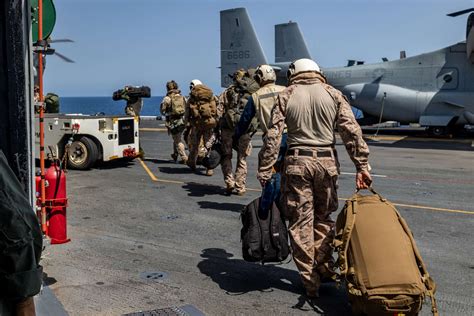
Integral to the success of these operations is interagency cohesion. The U.S. Navy provides sea control and logistics. The Coast Guard contributes maritime law enforcement expertise. The Marines, particularly the MSPF, bring the kinetic capability to board, neutralize, and control high-value vessels.
The Caribbean deployment showcases how this triad functions in action:
- Amphibious ships serve as mobile command centers.
- Surveillance drones and aircraft track suspect vessels in real time.
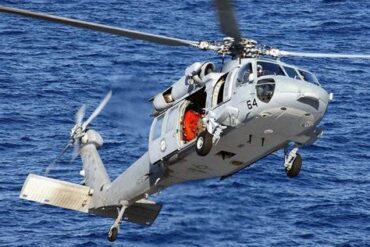
- Marine boarding teams, launched from RHIBs or helicopters, execute takedowns.
The integrated approach not only ensures tactical success but also builds a scalable model for future maritime enforcement in other global hotspots.
Evolving Role of the MEU: From Expeditionary Force to Maritime Enforcer
Traditionally, MEUs are viewed as tools of expeditionary warfare—ready to respond to crises, evacuate civilians, or establish beachheads. But in today’s Caribbean mission set, the MEU emerges as a maritime enforcement asset, carrying out missions that blend military precision with legal and diplomatic nuance.
This shift is likely to persist. As sanctions regimes tighten and non-state actors exploit global shipping, the demand for fast, flexible, forward-deployed maritime interdiction units will grow. The 22nd MEU’s ongoing deployment and training evolution are thus both a response to present threats and a preview of future mission trends.
Looking Ahead: Sustained Operations into 2026
As 2026 unfolds, sources within Army Recognition confirm that the 22nd MEU will conduct additional boarding exercises, maritime security patrols, and strategic deterrence operations in Caribbean waters. These activities will likely expand into cooperative frameworks with regional partners and potentially extend to new areas of interest such as the Gulf of Mexico or Atlantic transit routes.
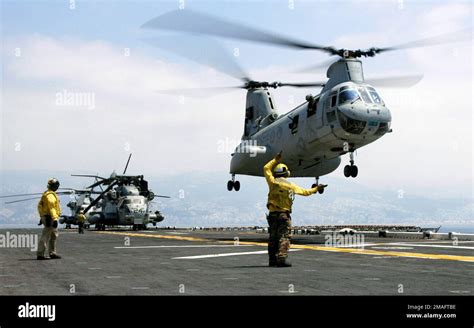
The takeaway is clear: maritime interdiction is no longer an ancillary mission—it is central to U.S. strategy in the Western Hemisphere. From countering illicit oil flows to denying transnational criminals access to sea lanes, the 22nd MEU’s deployment marks a turning point in how Washington leverages its expeditionary forces to pursue enforcement, economic pressure, and strategic control.
As global maritime competition intensifies and rogue actors adapt, the Caribbean may well be the proving ground where the next phase of hybrid naval warfare is refined. The U.S. Marines, aboard their RHIBs and amphibious platforms, stand ready—training not just for the fight, but for a new kind of enforcement in an age where cargo holds carry not just oil, but geopolitical consequence.