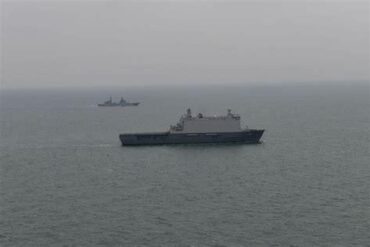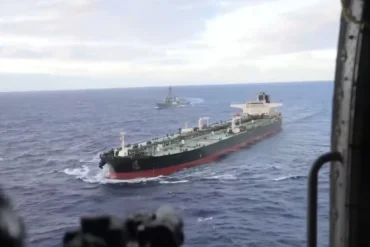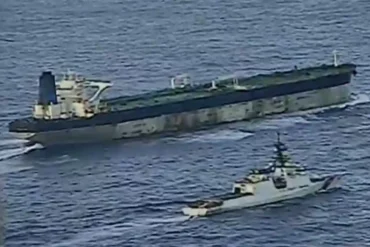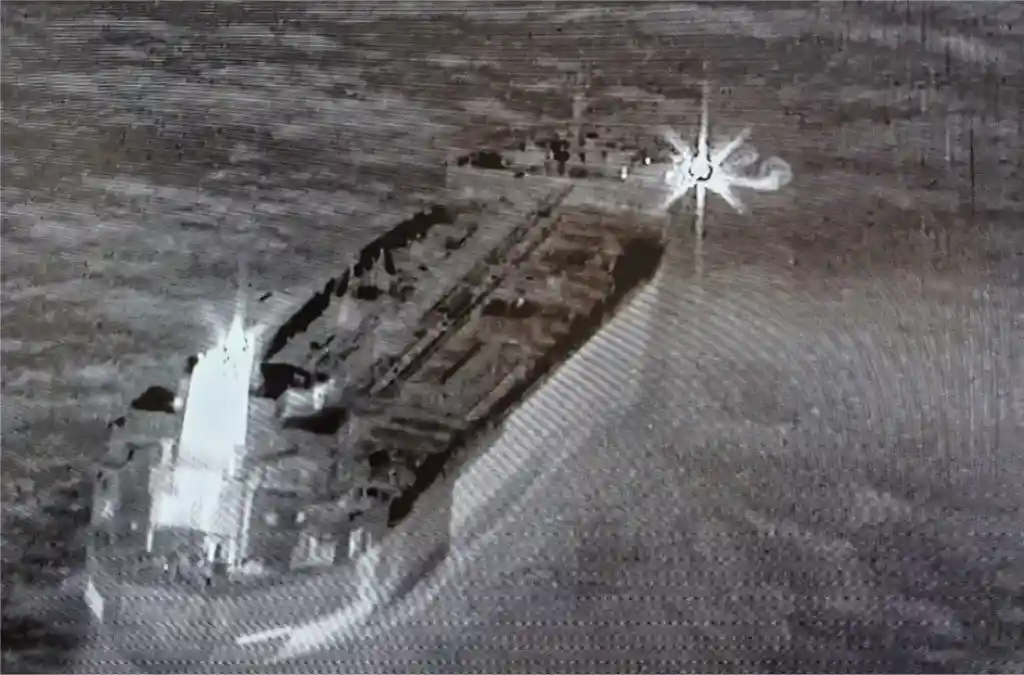
Belgium has crossed a decisive threshold in European sanctions enforcement, seizing a Russian-linked oil tanker in the North Sea in a tightly coordinated military operation backed by France. The vessel, identified as the Ethera, was intercepted and boarded by Belgian armed forces before being placed under armed escort to the port of Zeebrugge, where it will be formally impounded under European Union restrictive measures. The operation marks the first time Belgium has directly confiscated a ship associated with Moscow’s so-called shadow fleet, signaling a shift from regulatory monitoring to kinetic maritime action.
The seizure unfolded in one of the busiest and most strategically sensitive waterways in Europe. The North Sea is not merely a shipping corridor; it is a dense intersection of commercial tankers, offshore energy infrastructure, naval patrol routes, and NATO transit lanes. By intercepting the Ethera in these waters, Brussels delivered a visible demonstration of operational resolve, transforming sanctions policy from a bureaucratic instrument into a maritime enforcement mission with immediate geopolitical impact.
The tanker had already been listed under European Union sanctions since October 2025 due to its alleged role in sustaining Russian energy revenues. It is also included on the U.S. Treasury Department’s sanctions registry. Western authorities have linked the vessel to a complex maritime network believed to facilitate continued oil exports despite restrictions imposed after Russia’s invasion of Ukraine. The Ethera’s seizure therefore represents not an isolated action, but a tactical strike against the logistical arteries that finance Moscow’s war effort.
Operation Blue Intruder: From Surveillance to Seizure
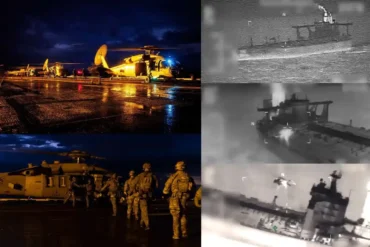
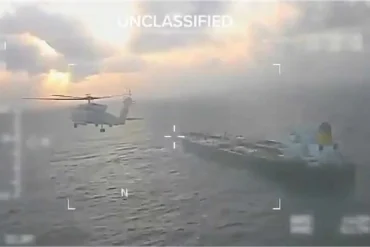
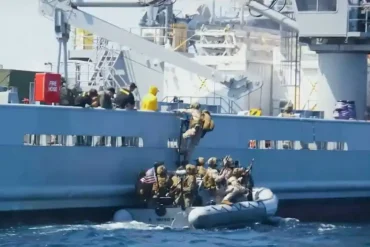
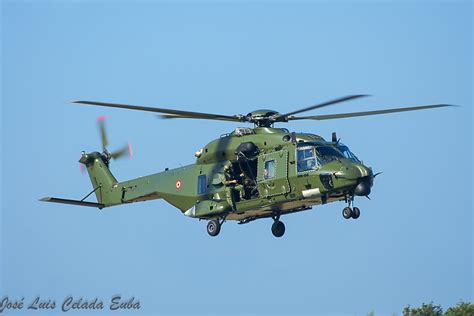
The military action, code-named Operation Blue Intruder, was confirmed on February 28, 2026, by Belgian Defense Minister Theo Francken. Visual evidence released shortly after the interception showed Belgian troops descending from NH-90 naval helicopters onto the tanker’s deck in a rapid vertical insertion. This method, commonly associated with counter-piracy or counter-terror operations, underscores the seriousness of the mission.
Airborne boarding tactics allow specialized teams to secure a vessel’s bridge and engine room within minutes, reducing the risk of scuttling, sabotage, or destruction of documentation. In congested waters like the North Sea, speed and control are paramount. A delayed boarding could allow a sanctioned vessel to alter course, transmit distress signals, or create navigational hazards. The swift insertion demonstrated that Belgium possesses not only the legal mandate but also the operational capacity to enforce sanctions at sea.
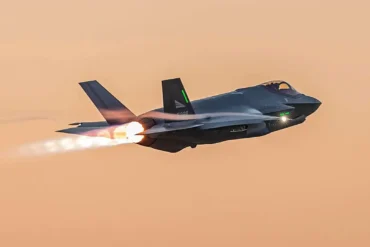
French support during the operation reflects deepening European defense coordination. While Brussels led the seizure, bilateral cooperation in maritime surveillance and operational planning ensured the interdiction was executed with precision. Such coordination highlights a broader NATO emphasis on interoperability and collective maritime domain awareness.
The Shadow Fleet and the Financial Architecture of Evasion
The term “shadow fleet” refers to a loosely structured network of aging tankers operating under opaque ownership, reflagged registries, and layered shell companies. These vessels often change names, flags, and management entities in rapid succession to obscure accountability. By exploiting legal gray zones and jurisdictions with limited transparency, they enable sanctioned oil to reach global markets through indirect channels.
The Ethera had been identified as part of this network, allegedly contributing to revenue streams critical to sustaining Russia’s military campaign. U.S. authorities previously linked the ship to a maritime structure associated with Mohammad Hossein Shamkhani, described as a central figure in a vast oil transport network. Such allegations illustrate how sanctions evasion can span multiple jurisdictions, intertwining commercial shipping with geopolitical finance.
Seizing a vessel under these circumstances carries weight beyond the cargo it transports. It disrupts insurance arrangements, unsettles commodity traders, and introduces elevated compliance risks for classification societies and port operators. Each interdiction increases uncertainty for actors who might otherwise operate within ambiguous legal frameworks.
Strategic Implications for the North Sea and NATO
The North Sea’s strategic density amplifies the symbolic and operational significance of the seizure. Beyond its role in global trade, the region hosts offshore wind farms, subsea cables, and hydrocarbon installations that are critical to European energy security. It is also a corridor routinely used by NATO naval forces transiting between the Atlantic and the Baltic.
By enforcing sanctions through a visible maritime action, Belgium reinforces alliance credibility in defending both economic and physical security domains. The seizure conveys that sanctions are not passive measures but instruments capable of physical enforcement. In doing so, Brussels aligns economic policy with military readiness.
Yet maritime enforcement in contested geopolitical environments carries inherent escalation risks. Moscow may frame such actions as interference with commercial navigation and could respond with diplomatic protests, legal challenges, or asymmetric maritime maneuvers elsewhere. The balance between enforcement and escalation will require calibrated coordination among EU and NATO members.
Zeebrugge: The Legal Battleground Ahead
The tanker is now under escort to Zeebrugge, where formal impoundment procedures will unfold. This stage is as critical as the boarding itself. EU sanctions law provides the legal foundation for detention, but the ensuing administrative and judicial processes will test the resilience of those measures under scrutiny.
Owners or associated entities may challenge the seizure through legal avenues, arguing procedural flaws or contesting sanction designations. Belgian authorities must therefore ensure meticulous documentation of the operation, from intelligence assessments to boarding conduct and cargo verification. The outcome will set an important precedent for future interdictions within European waters.
A Turning Point in Sanctions Enforcement
Operation Blue Intruder marks a transition in European strategy: from monitoring and penalizing to intercepting and confiscating. For a mid-sized navy like Belgium’s, executing a helicopter-borne seizure in one of the world’s busiest maritime theaters represents a significant operational milestone.
More broadly, the action signals to sanction-evasion networks that European waters are no longer permissive environments. If sustained, such interdictions could raise the systemic cost of operating within the shadow fleet model, narrowing the channels through which restricted oil flows to global markets.
As the Ethera approaches its legal reckoning in Zeebrugge, the implications extend beyond a single tanker. The seizure stands as a concrete demonstration that economic sanctions, when backed by credible maritime power, can evolve from policy declarations into decisive action at sea.