Uganda’s national carrier is in the throes of an unprecedented operational crisis, with widespread flight delays, mounting passenger anger, and questions swirling about the airline’s financial health and leadership competence. What began as a technical grounding of one aircraft has snowballed into an international embarrassment for Uganda Airlines, drawing attention to the fragile underpinnings of the state-run operation.
The Catalyst: Grounded A330 Paralyzes Long-Haul Network
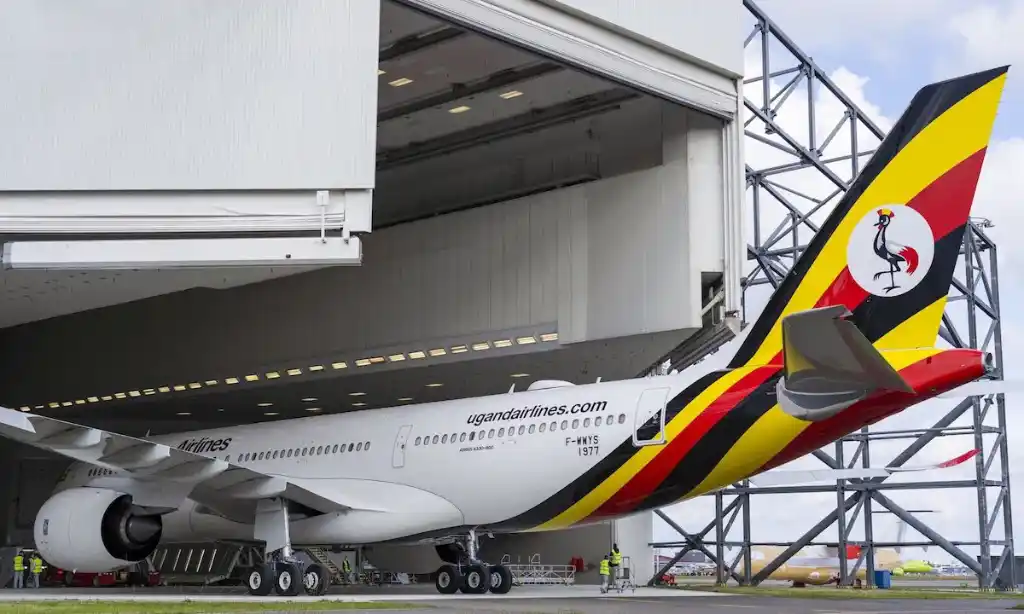
On December 8, 2025, Uganda Airlines’ Airbus A330-800neo with the registration 5X-NIL was grounded in Lagos, Nigeria, shortly after arriving from Entebbe. The reason? An undisclosed technical issue, assumed to be serious enough to immobilize the aircraft indefinitely. With only two A330-800neos in its entire fleet, the grounding instantly slashed the airline’s long-haul capacity by 50%.
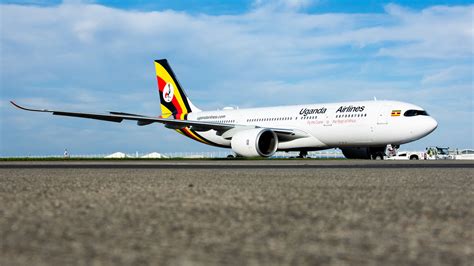
The remaining A330, 5X-CRN, was thrown into a relentless cycle of route juggling, but it could not sustain schedules to Dubai, London, Mumbai, and other key destinations single-handedly. The outcome has been massive delays and routine flight cancelations. Passengers, some stranded for multiple days, described scenes of utter chaos at departure terminals. Delays ran up to 20 hours or more, with arrivals in some cases clocking in nearly a day later than scheduled.
Terminal Mayhem: Riots, Rage, and Deserted Desks
The repercussions of poor contingency planning came into full view at several airports. Enraged travelers documented scenes of disorder, including shouting matches, abandoned check-in counters, and complete information blackouts. Videos circulating online revealed passengers rioting inside terminals, shouting for accountability and rebooking options.
In some cases, flights delayed by days were only communicated to passengers upon their arrival at the airport. There were no text messages, no emails, and no formal announcements. Uganda Airlines’ official social media channels remained eerily silent, save for a cheerful holiday post wishing travelers a Merry Christmas.
Leadership Breakdown: No Backup Plans, No Accountability
While technical failures are part of any airline’s lifecycle, the crisis exposed systemic flaws in Uganda Airlines’ leadership and crisis response strategy. The airline appeared entirely unprepared for such a foreseeable scenario—one long-haul aircraft out of service.
This vacuum in planning has stirred outrage among travelers and industry observers. Operational mismanagement was not the only failing. At the top of the criticism chain is Uganda Airlines’ CEO, whose credentials and appointment process have been controversial.
The current CEO, who was once a hotel sales and marketing manager, did not meet any of the qualifications set by PwC, the firm reportedly hired to vet candidates. Despite the recommendation process, the appointment was politically driven, sparking allegations of nepotism and favoritism, similar to the scandal that ousted the former CEO over charges of financial mismanagement and staffing corruption.
Mounting Financial Losses: $250M Burnt Since Relaunch
The meltdown is not just operational; it’s financially devastating. Since its 2019 relaunch, Uganda Airlines has hemorrhaged over $250 million, including a staggering $67 million in the last financial year alone. That translates to approximately $10 million in losses per aircraft per year.
These losses are not just unsustainable—they are emblematic of the airline’s failure to function as a viable national asset. Insiders point to bloated payrolls, misaligned routes, and a complete absence of data-driven decision-making. The numbers suggest that the airline is flying toward a fiscal cliff unless sweeping reforms are enacted.
Public Trust Erodes: Silence, Suffering, and Social Backlash
The lack of communication has only deepened the public’s disillusionment. Families were left stranded abroad during the holiday season, some without accommodation or assistance. Parents with children, business travelers, and even dignitaries were subjected to day-long delays without food or clarity.
Meanwhile, social media in Uganda and across the diaspora lit up with criticism and memes, many mocking the airline’s inability to operate even a two-plane international schedule. Analysts say the brand damage is profound, and customer trust—already fragile—is at an all-time low.
Systemic Problems in African Aviation?
Uganda Airlines’ troubles echo a broader trend among state-owned carriers in Africa. While the continent boasts strong performers like Ethiopian Airlines and RwandAir, many other national airlines suffer from political interference, lack of innovation, and non-meritocratic leadership.

These failures are not just administrative—they affect real people. In this case, they include thousands of travelers left stranded, millions in public funds lost, and an aviation reputation that continues to deteriorate.
What Comes Next: Repair, Reform, or Collapse?
As of the latest reports, there’s no clear timeline for the grounded A330’s return to service. Neither Uganda Airlines nor Uganda’s Ministry of Works and Transport has issued a comprehensive update. There is no press briefing, no apology, and no passenger support hotline.
Uganda Airlines faces a trio of urgent priorities:
- Restoring operational reliability through fleet management or short-term wet leases.
- Regaining passenger trust with proactive communication and restitution.
- Overhauling leadership by recruiting aviation professionals with real-world experience.
Yet these steps require a political will that has long been absent. Without systemic change, Uganda Airlines risks becoming a cautionary tale of national pride turned operational failure.
Final Word: Meltdown or Moment for Reform?
Uganda Airlines’ current meltdown is more than just a disruption—it’s a referendum on the entire airline’s viability. With two A330s, a handful of regional jets, and a deeply questionable leadership team, the airline is now facing an existential crisis.
The images of angry passengers, silent terminals, and grounded planes have become emblematic of deeper issues that no PR campaign can mask. The only question is whether Uganda Airlines will use this catastrophe as a wake-up call—or allow the flames of dysfunction to consume what little credibility remains.