The global aviation industry is facing one of its most persistent supply chain disruptions in modern history, and according to United Airlines CEO Scott Kirby, the situation is far from over. Speaking at Bernstein’s 42nd Annual Strategic Decisions Conference, Kirby revealed that between 800 and 900 commercial aircraft around the world are currently grounded because airlines cannot obtain the engines or replacement parts needed to keep them flying.
The warning highlights a growing crisis that has expanded beyond delayed aircraft deliveries and evolved into a fundamental challenge affecting fleet availability, airline profitability, and aircraft manufacturing worldwide. While airlines have become accustomed to delivery delays in recent years, the shortage of operational engines has emerged as one of the most damaging bottlenecks confronting the industry.
Engine Shortages Ground Hundreds of Aircraft Worldwide
Commercial aviation depends on a tightly coordinated ecosystem of manufacturers, suppliers, maintenance providers, and airlines. When a critical component becomes unavailable, the effects ripple throughout the entire industry. Today, that component is increasingly the aircraft engine.
According to Kirby, the aviation sector is dealing with a large number of grounded aircraft because operators cannot secure replacement engines, spare parts, or maintenance capacity quickly enough. The problem has become severe enough that hundreds of relatively young aircraft remain parked despite strong passenger demand and growing travel markets.
The shortage affects multiple engine manufacturers, but the impact varies significantly depending on engine type and aircraft family. Airlines operating aircraft powered by certain engine models face particularly difficult challenges because alternative engine options are limited or nonexistent.
By grounding hundreds of aircraft, the crisis is reducing available seat capacity across global networks, forcing airlines to revise schedules, postpone expansion plans, and absorb significant financial losses from assets that cannot generate revenue.
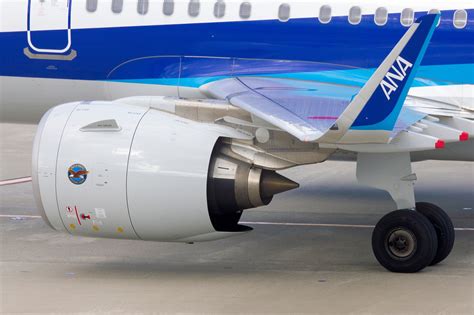
Pratt & Whitney GTF Engines Remain at the Center of the Crisis
The most significant disruption stems from Pratt & Whitney’s PW1000G Geared Turbofan engine family. These engines power several of the world’s most important next-generation aircraft, including the Airbus A320neo family, the Airbus A220, and Embraer’s E2 regional jet series.
The challenge is particularly acute for operators of the Airbus A220 and Embraer E2 fleets because those aircraft rely exclusively on GTF engines. Unlike some competing aircraft models, they do not offer an alternative engine option. If engines become unavailable or require extensive inspections and repairs, airlines have little choice but to ground affected aircraft.
The scale of the issue is staggering. Industry data published by aviation analytics firm Cirium showed that approximately 835 GTF-powered aircraft were in storage during October 2025. That represented roughly one-third of the global fleet powered by these engines, illustrating how deeply the problem has penetrated the market.
For airlines that invested heavily in fuel-efficient next-generation aircraft, the situation has created a frustrating paradox. Many possess modern aircraft capable of generating strong profits, yet they remain parked because engines are unavailable.
CFM and Rolls-Royce Also Face Availability Challenges
Although Pratt & Whitney’s difficulties dominate headlines, other major engine manufacturers are not immune from supply chain pressures.
CFM International’s LEAP engines, which power both the Airbus A320neo family and the Boeing 737 MAX, have experienced their own production and maintenance challenges. Meanwhile, Rolls-Royce continues to manage support requirements for certain Trent engine variants used on long-haul aircraft.
The cumulative effect is a global shortage of available powerplants. Even when aircraft manufacturers complete airframes on schedule, final delivery cannot occur until engines are ready. This reality has transformed engines into one of the most valuable and constrained assets in commercial aviation.
For many airlines, fleet planning has become increasingly dependent not on aircraft availability but on engine availability.
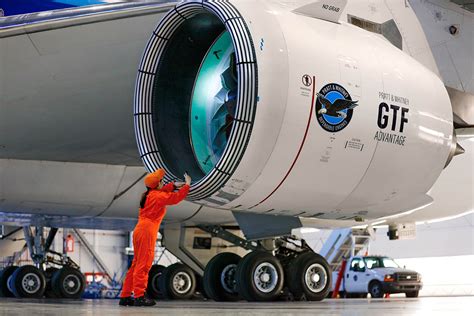
Engines Have Become More Valuable Than Some Aircraft
One of the most remarkable consequences of the shortage is the emergence of engine cannibalization across the industry.
Rather than allowing operational aircraft to sit idle, some airlines and leasing companies have begun removing engines from relatively young aircraft and transferring them to aircraft already in active service. In extreme cases, airframes only a few years old have been stripped of valuable components and dismantled because the engines themselves are worth more to operators than the aircraft carrying them.
This practice demonstrates the extraordinary imbalance between supply and demand in the engine market. Airlines face intense pressure to maximize operational capacity, especially as global travel demand continues to recover and expand. Every grounded aircraft represents lost revenue, reduced network flexibility, and diminished competitiveness.
As a result, operators are increasingly willing to make difficult long-term decisions in order to keep a larger portion of their fleets flying today.
Aircraft Manufacturers Feel the Impact
The engine shortage is not only affecting airlines. Aircraft manufacturers are also confronting significant production challenges.
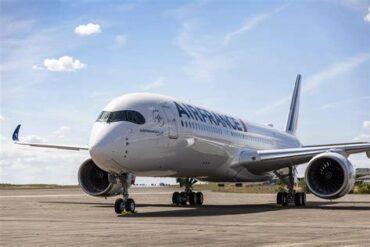
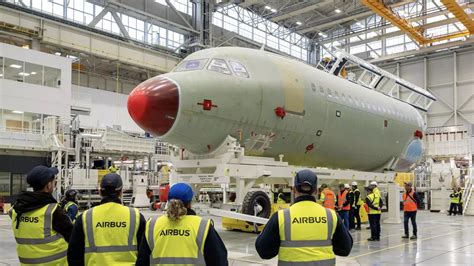
Airbus, which has experienced strong demand for its A320neo family, has been forced to adjust delivery expectations because completed aircraft cannot be handed over without engines. Industry data indicates the manufacturer delivered fewer A320neo aircraft during the first quarter of 2026 compared with the same period a year earlier.
This slowdown highlights the interconnected nature of aerospace manufacturing. An aircraft may consist of millions of individual components, but the absence of a single critical system can halt deliveries entirely.
Manufacturers must carefully balance production rates with engine availability to avoid creating large numbers of completed but undeliverable aircraft. That balancing act is becoming increasingly difficult as airlines continue placing orders for new fuel-efficient models.
Why the Crisis Could Last for Many Years
Perhaps the most concerning aspect of Kirby’s warning is his prediction that these problems may continue for “many, many years.”
Modern aircraft engines are among the most complex machines ever built. Manufacturing them requires highly specialized materials, precision engineering, extensive certification processes, and a global supplier network that remains under strain following years of disruption.
Expanding production capacity is neither quick nor simple. Engine manufacturers must invest heavily in facilities, workforce development, supplier expansion, and quality control systems before meaningful increases in output can occur. At the same time, maintenance shops face growing backlogs as thousands of engines require inspections, repairs, and overhauls.
The aviation industry therefore finds itself trapped in a cycle where demand for aircraft continues growing while the availability of engines remains constrained. Airlines need more aircraft, manufacturers want to build more aircraft, and passengers continue filling flights, yet the supply of operational engines remains insufficient to support that growth.
Until production, maintenance capacity, and supply chain stability improve substantially, hundreds of aircraft are likely to remain grounded. The engine shortage has evolved from a temporary disruption into a defining challenge for global aviation, one that could shape airline strategies, aircraft production, and fleet planning well into the next decade.